.png)
The anime medium hosts countless distinguished series. These titles are responsible for showcasing the true depth of animation when storytelling, artistry, and emotion are laser-focused on a single outcome. Engaging both the mind and emotions, these stories do not just entertain but shift viewers’ perspectives.
Moving beyond simple trends, these works carry the medium on their backs, showing the world that the immersive power of a good story is not limited to human performance. In these series, experiencing them never feels like passing time; it feels more like a transformation.
On this note, here’s a list of 10 anime masterpieces that raised the storytelling bar higher. Pushing beyond the medium’s ceiling, they proved anime could explore the diversity of storytelling with the same seriousness as the best stories the rest of the world can offer. Everything that came after exists because these stories dared to go further with their bold ideas.
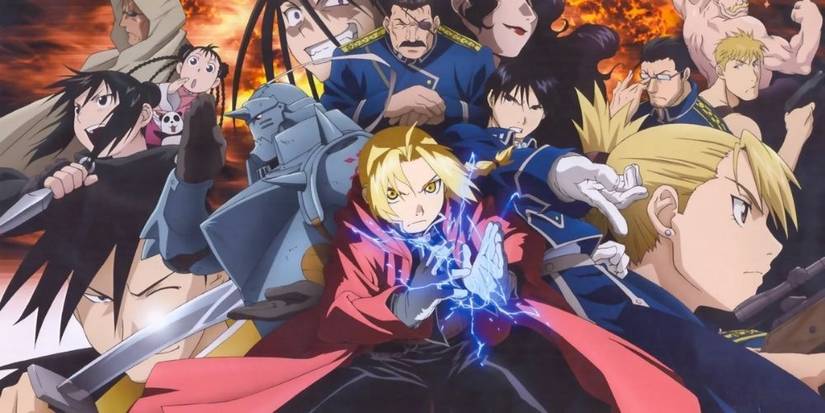
Fullmetal Alchemist: Brotherhood can’t simply be defined as a great story; it is also a carefully built world where every choice has consequences, sometimes dire ones. When Edward and Alphonse try to revive their mother, they break the law of equivalent exchange and are made to pay the brutal price of literal pieces of themselves. That desperate mistake shapes their whole journey.
As the brothers search for their bodies, the story takes a darker and wider turn. Hidden conspiracies, homunculi, and a god-seeking villain expose a nation founded on sacrifice. The series constantly questions the concept of sacrifice: what people are willing to lose to gain power, and whether any goal is worth the cost of human lives.
What truly sets Brotherhood apart is the coordinated balance that holds all of its messages together. Every character arc, moral conflict, and battle is a delicate layer that builds toward the story’s truth. In the series, the beauty and realism of human life are brought to the fore, and by the end of the story, nobody understands it more than the viewer.
Monster
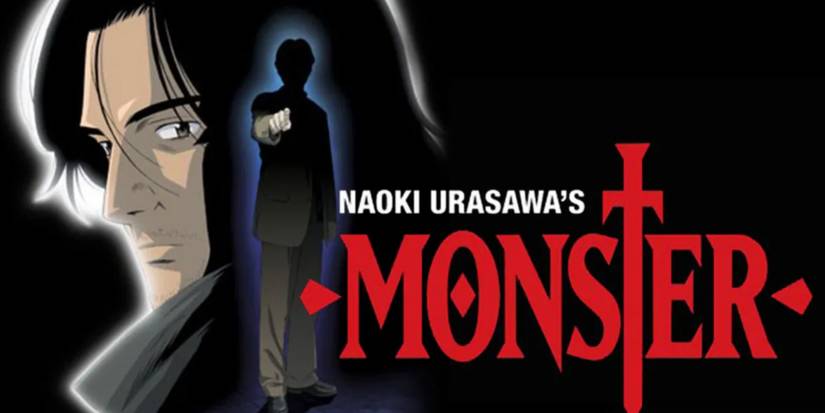
After its release, Monster had a significant psychological impact on the anime space, setting a standard only a few have dared to match since. Dr Tenma, the protagonist, saves a young boy instead of a mayor, with repercussions that hunt him for the rest of his life. Years later, he discovers the boy is Johan, a serial killer who destroys lives without a trace.
In a bid to undo his mistake, Tenma chases Johan to stop him from killing others. The craziest part is the lack of Johan’s clear purpose for killing others. If anything, he wants to disappear. He plants fear and uses shame to collapse towns from the inside and tear families apart; that’s why it’s deeply uncomfortable to watch.
What really lingers, though, is the question Tenma cannot escape. Whether all lives matter or need to be saved? Although he saved a life, that life went on to end so many others. The show never gives an easy answer, and honestly, that is what makes Monster unforgettable.
Cowboy Bebop

Cowboy Bebop has a distinctive aesthetic that conceals the emotional trauma of its characters. Spike, Jet, Faye, Ein, and Ed drift through space chasing bounties, one job at a time. It is a standalone episode that seems loose at first but slowly builds the characters and theme as it progresses. However, the show accumulates emotional weight as more episodes air.
Every character is running from something; each episode shows a scar, a regret, or an avoidance pattern. Spike cannot let go of Julia or the life he abandoned. Faye wakes up with no memories and debts that are not even hers. Jet hides his bitterness behind routine. Even Ed chases after a father who never feels regret for abandoning his daughter.
The ending had a slow, but inevitable path. Spike walks toward Vicious, knowing how it will end, because he has already made peace with it. The show tells you, quietly but firmly, that the past never goes away. You just have to bear it. And sometimes, it carries you straight to your very end.
Neon Genesis Evangelion

Neon Genesis Evangelion completely reorganised the mecha genre from the inside out. On paper, it looks familiar. Shinji Ikari uses giant robots to combat Angels and ultimately save humanity. But that normal setup cracks fast, and the story slips out, and then the battle-oriented series reveals something far darker and sinister.
Shinji’s entire purpose wasn’t to fight; he just sought the approval of a father who barely sees him. On the other hand, Rei survives to obey and disappear while Asuka builds her entire sense of worth around being needed. These kids are broken, and the adult with such knowledge uses it to push them forward, using their trauma as fuel.
As the series goes on, it stops explaining and starts exposing. The battles seem to mean more than the actual pilot fighters. When Shinji orders the killing of Kaworu, it breaks something that never heals; he quickly learns that even love is something he can’t keep. The ending offers self-acceptance, or, from the pov of viewers, self-denial. And that uncertainty made it the masterpiece it is.
Berserk

The 1997 Berserk adaptation condenses Kentaro Miura’s massive manga into 25 heavy episodes that feel relentlessly bleak. After Guts lost a duel, he joined the Griffith Band of the Hawk, and the Golden Age arc follows their rise from mercenaries to something like heroes. Authentic relationships were formed, and viewers believed in their collective future.
Griffith, a charismatic character who dreams big, inspires loyalty, and seems invisible, and Guts finally has a sense of belonging, while his connection with Casca grows slowly and naturally. But one careless decision changed everything. Griffith is captured, broken by imprisonment, and the Band risks everything to rescue someone who is a shadow of himself.
Then comes the Eclipse, and the story crosses a line it can’t uncross. Friendships are quickly shattered, and every sense of hope is lost. Berserk doesn’t soften the fall or offer comfort to its viewers. With its raw visuals and brutal honesty, it proves anime can hit like tragedy, building a theme of love and then ripping it apart without mercy.
Puella Magi Madoka Magica

The series starts on a sweet note, which was a super deceptive move by the creators. Cute designs, magical girl rules, friendly mascot, spice, and spark aesthetic. Then Mami dies suddenly, and the tone snaps brutally. Madoka and Sayaka learn that magical girls are being used for their powers.
Each wish from Kyubey comes with a quiet cost. Sayaka trades everything for an unrequited love that never returns, and that bitterness eats her alive. Homura’s story hurts the most. She remembers everything and keeps reliving the same month, watching Madoka die again and again, trying to save someone who has no memory of her.
By the end, the show pulls the rug out completely. Madoka rewrites reality, saves everyone, and erases herself in the process. No victory lap. No reward. Just sacrifice. Madoka Magica is a genre rooted in hope, making it a masterpiece that leaves audiences in awe of its honesty.
Steins;Gate
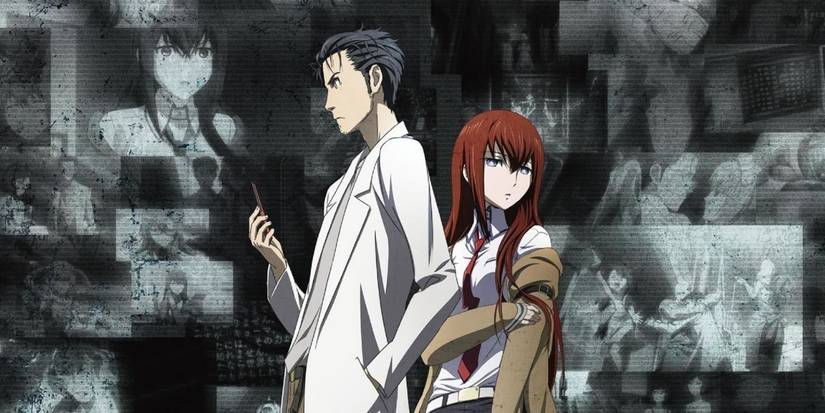
Steins; Gate starts slow-paced and goofy, and as the story progresses, the why behind it swiftly unravels. Okabe and his friends discover they can send D-texts to the past using a microwave, which changes small things that initially seem harmless. Then, Okabe realizes he is the only one who remembers each timeline. Every message ripples outward, and he carries that weight alone.
Okabe ends up sending too many messages and locks a world in time where Mayuri’s death is inevitable. No matter what Okabe does, she always dies. Different causes, same outcome. He resets continually, but he is always watching his best friend die while no one else remembers. To keep trying, he has to undo his friends’ happiness and accept brutal sacrifices.
The conclusion works because hope was earned. Subsequently, the suffering is eased by a glimpse of hope. The science stays tight, but the focus is always on human cost. Okabe earns his victory eventually through sacrifice. Steins; Gate proves time travel hits hardest when it’s about loss, making it a classic.
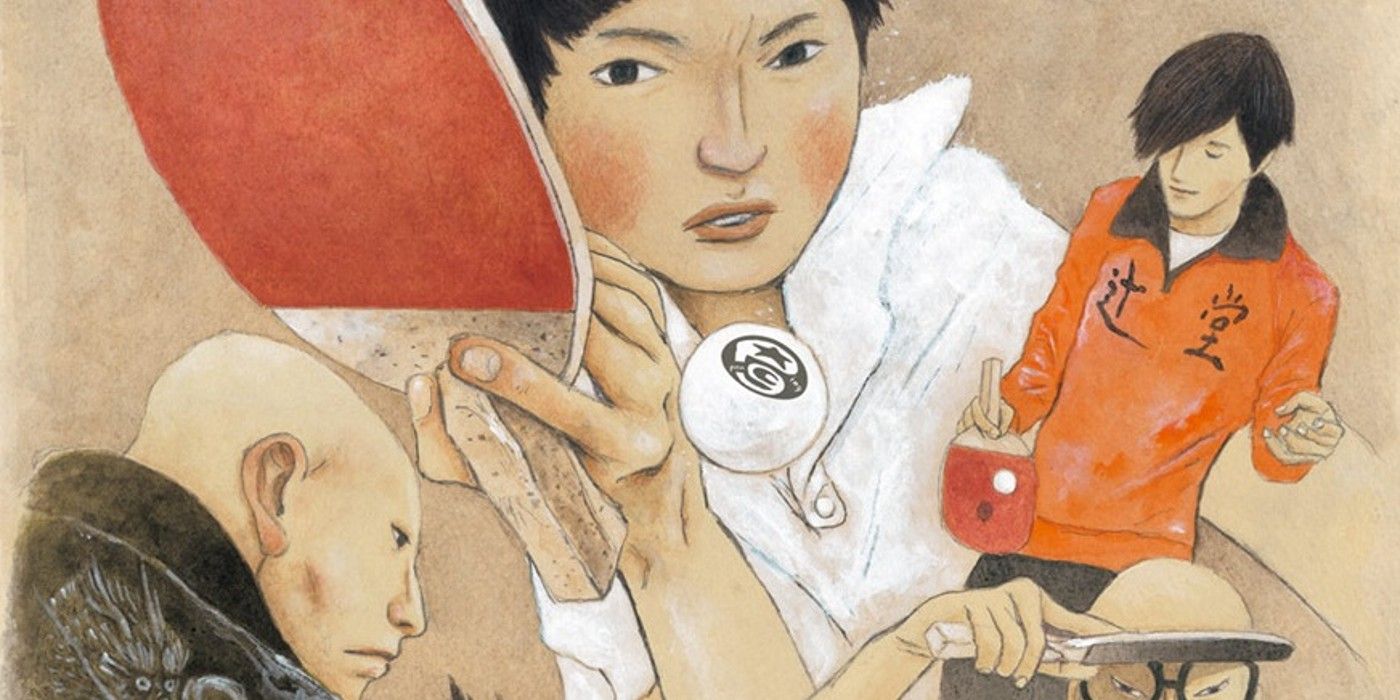
Ping Pong the Animation is a sports anime that doesn’t seem like it at first. It uses table tennis as a mirror, not a goal, to expose what the characters are dealing with. Peco doesn’t lose points; he loses joy. Smile plays out of obligation, not caring much about the game, and neither approach is framed as right or wrong. The show cares more about why they play rather than who wins.
Yuasa’s animation is rough, loose, and alive because it relies on realism rather than emotion. Matches feel emotional before they feel technical. The visuals bend with the characters’ inner states, making victories euphoric and losses crushing. It’s not flashy for show. The body’s strength, faces disfigured, and every distortion means something.
What makes it a masterpiece is its honesty. Not everyone becomes the best. Some people just find peace, like Peco, who doesn’t become the best but was okay with it. Others, like Dragon, find limits. Ping Pong treats failure as meaningful, growth as personal, and passion as fragile. It proves sports stories can be wholesome, not just centred on championships and tournaments.
Shōwa Genroku Rakugo Shinjū

Shōwa Genroku Rakugo Shinjū is a slow-burning masterpiece that treats storytelling itself as the main character, centred on the art of Rakugo. Yotaro wants to learn rakugo, but Yakumo makes him listen first, sharing decades of love, rivalry, and regret. The show builds its weight quietly, letting history, ambition, and human flaws carry the drama through external events.
Yakumo’s past as Kikuhiko reveals a man trapped between technical perfection and emotional longing, creating an inner tension. Sukeroku’s passion shakes traditions, and both are tied to Miyokichi in a tragedy that leaves guilt, loss, and unresolved love at its centre.
The rakugo performances themselves are the real marvel. Hatakeyama films them uncut, relying on voice acting and timing to convey character psychology. Each story mirrors emotion. The show proves anime can handle niche subjects with sensitive depth, mixing literary storytelling with heartbreak that lingers long after the end.
Ghost in the Shell
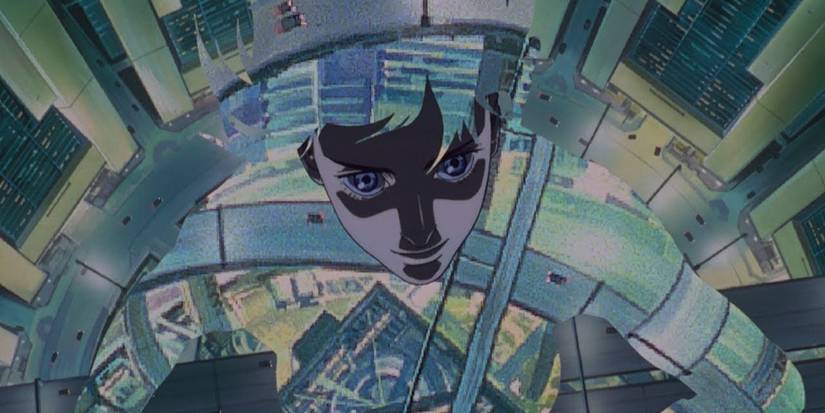
Ghost in the Shell isn’t just filled with cyberpunk aesthetics. It completely overhauls the genre and dissects it. Major Motoko Kusanagi, a full-body cyborg, faces a difficult question: if your body is replaceable and your mind can be edited, where does the self actually live? Her hybrid body makes her identity unstable, her mind fragile, and that’s what audiences find uncomfortable.
Director Oshii’s direction trusts mood over action. Cityscapes, music, and minimal dialogue create tension. Action is precise and meaningful, reflecting the fragile boundary between humanity and technology, giving room for violence to exceed spectacle as it serves as proof of what lies between human and machine.
The major dies in a bid to create something new by merging with the puppet master. A choice of annihilation through years of evolution. The film is revolutionary and sets a bar for tough discussions about the coexistence of machines and humans. It is precisely the film’s addressing of these complex topics that makes it one of the greatest anime ever.
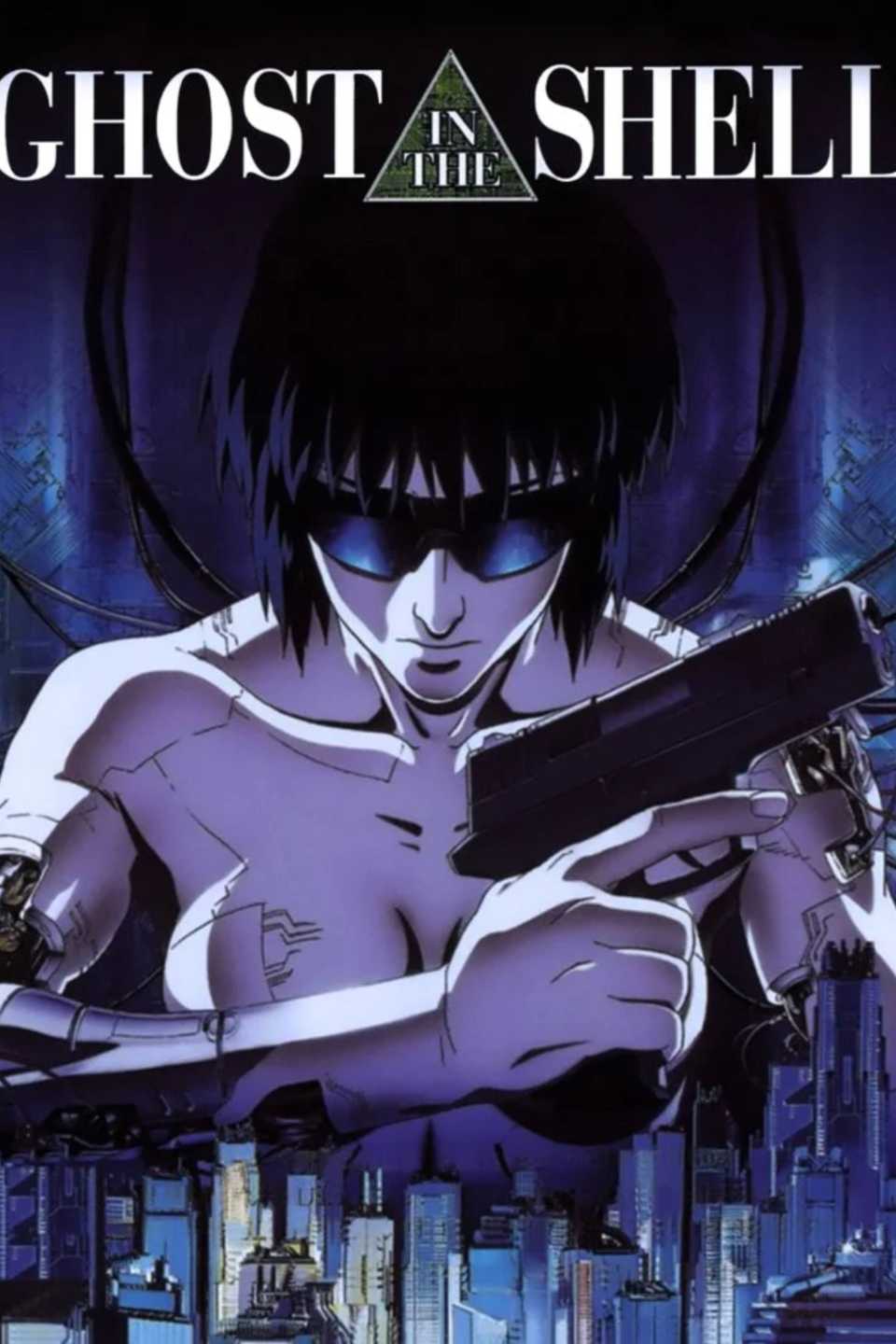
Release Date December 8, 1995
Runtime 83 Minutes
Director Mizuho Nishikubo, Mamoru Oshii
Writers Shirow Masamune, Kazunori Itô

 English (US) ·