.png)

Published Jan 25, 2026, 6:25 PM EST
Dalton is a freelance writer, novelist, and filmmaker from Orlando Florida. He currently lives in Charlotte, North Carolina, and pursues writing full-time. He is an avid reader, film buff, and amateur historian who also publishes novels on the side. Dalton graduated from the University of Central Florida with a BFA in Film and he often applies his industry-specific knowledge when writing about film and television. Along with his blog, Dalton's critical essays on film have been published in various places online.
Though the Academy Awards inspire a lot of debate, there are some Best Actor wins that are so iconic that they remain indisputable. Hosting its first ceremony back in 1929, the Oscars is without a doubt the most prestigious award in film. While many of the categories have evolved over the decades, the Best Actor award remains unchanged.
Like its companion, Best Actress, the Best Actor award has been bestowed upon many of Hollywood's greatest stars as well as Tinseltown's most accomplished performers. Winning the award isn't necessarily the result of a popularity contest, and the most deserving recipients have turned in performances that will live on forever in the annals of film history.
Nearly every Best Actor winner has been deserving, but some wins come on the heels of a performance so magnificent that there is no competition. Not only are the movies themselves classics, but the lead performances are the defining aspect of the film's legacy. As arguments rage on over other Oscar wins, the greatest Best Actor performances speak for themselves.
Cillian Murphy - Oppenheimer (2023)

Modern Oscars wins are more closely contested than ever before, but Cillian Murphy's towering performance in Oppenheimer had little competition. Christopher Nolan's epic blockbuster explored the inner mind of its title character as he raced to develop the atomic bomb, and Murphy's performance brought everything into sharp focus. All-told, Oppenheimer snagged 13 Oscar nominations.
Two other biopics were nominated in that year's Best Actor category, but Oppenheimer had everything that the Academy usually gobbles up. That's not to say that Murphy's performance wasn't grand, and it far exceeded even the bounds of the film itself. Despite the huge scope and fast pace of the film, Murphy examined the haunted soul of J. Robert Oppenheimer.
Daniel Day Lewis - There Will Be Blood (2007)

Daniel Day Lewis was already a familiar face to Academy voters, but There Will Be Blood marked a major shift for the actor. Daniel Plainview was a stark departure from the humanistic heroes Lewis was known for, and he crafted one of the most compelling villains in cinema. He elevated what was already a terrific script into a masterpiece.
The 80th Academy Awards was a down year in the Best Actor category. Nevertheless, Lewis would have snatched the award under almost any circumstances. Plainview wasn't just a vile villain with nefarious plans, but a complex human that represented the movie's themes of greed and obsession. Few actors could have explored a character with such rich layering.
Tom Hanks - Philadelphia (1993)

Tom Hanks won Best Actor two years in a row, but his performance in Philadelphia shines brighter. Hanks made a major dramatic shift as Andrew Beckett, a man suing his former employer for discrimination after he was fired for being gay and having AIDS. The movie itself is noteworthy for being the first Hollywood film to address such issues.
The brilliance of Hanks' performance is that it was not much different from his earlier work. Beckett was an affable person with a lot of heart, a character that Hanks was uniquely suited to play. However, Beckett is also Oscar worthy because Hanks carried the weight of the film's heavy topics without ever losing sight of his character's best qualities.
Anthony Hopkins - The Silence Of The Lambs (1991)
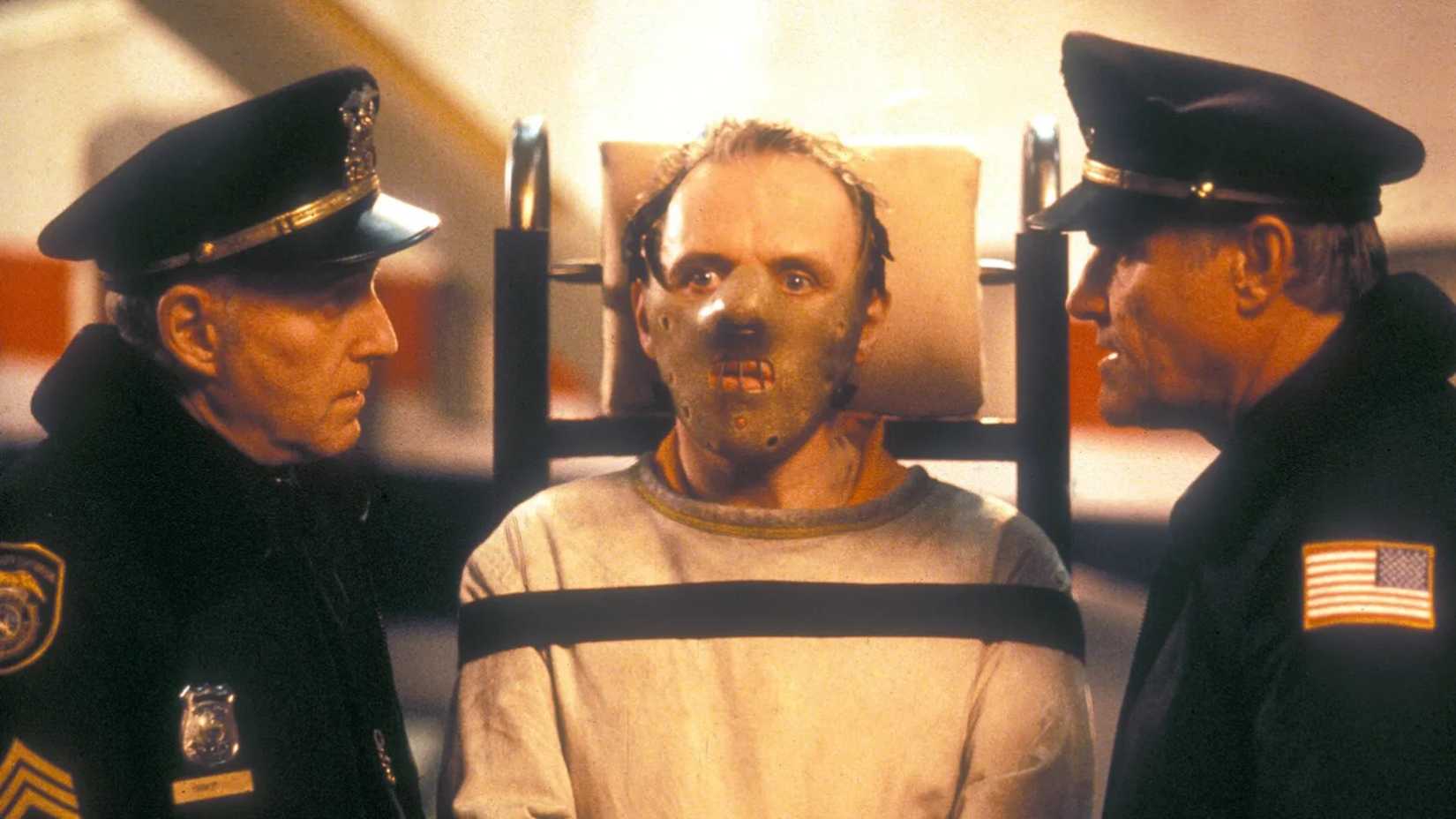
Horror films have mostly been ignored by the Academy, but Anthony Hopkins' performance as Hannibal Lecter in The Silence of the Lambs could not be overlooked. Hopkins leaped into the role of the genius serial killer with apparent glee, stealing the show despite being a relatively small part. Hopkins' performance transformed Lecter from a monster into something even more terrifying.
The cinema of The Silence of the Lambs is what elevated it into Oscar contention, but the cast helped. Bombastic performances are a dime-a-dozen in the realm of horror, but Hopkins' Lecter is psychological and eerie. Hopkins and co-star Jodie Foster swept the acting categories and certainly pushed The Silence of the Lambs to Best Picture gold.
Robert De Niro - Raging Bull (1980)
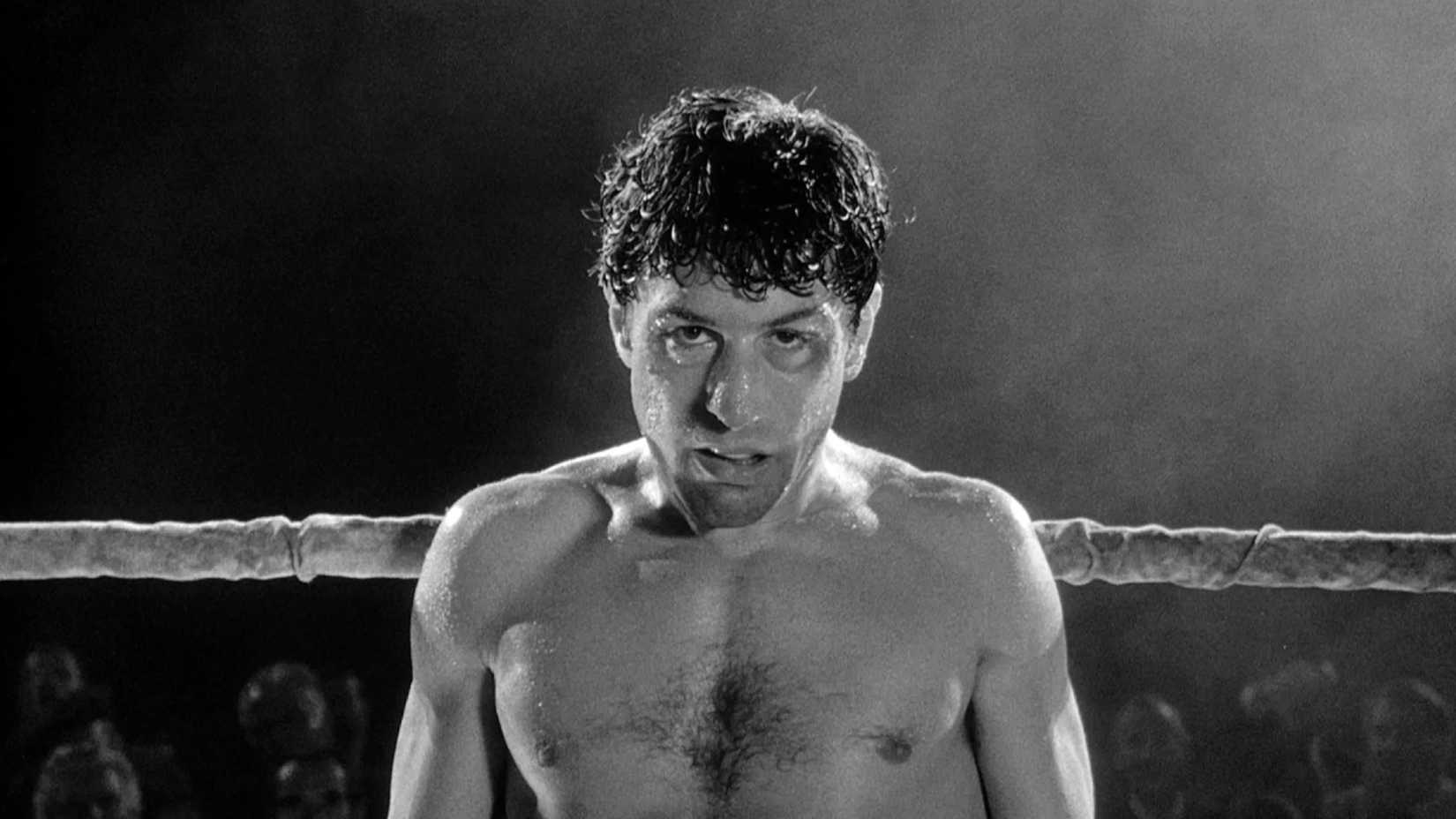
Despite scoring nine nominations throughout his career, Robert De Niro has only won two Oscars, and only once did he snag Best Actor. His win came as Jake LaMotta in Raging Bull, and it remains the star's most challenging and human performance. De Niro did his best work with Martin Scorsese, and Raging Bull is the pinnacle of that partnership.
Robert De Niro's Raging Bull win is indisputable because he not only outperformed his competition, but accomplished something few actors could. LaMotta isn't a caricature, as often happens in Hollywood movies, and that's due in large part to De Niro. The living legend deserved more wins throughout his career, but the Academy got it right with Raging Bull.
Jack Nicholson - One Flew Over The Cuckoo's Nest (1975)
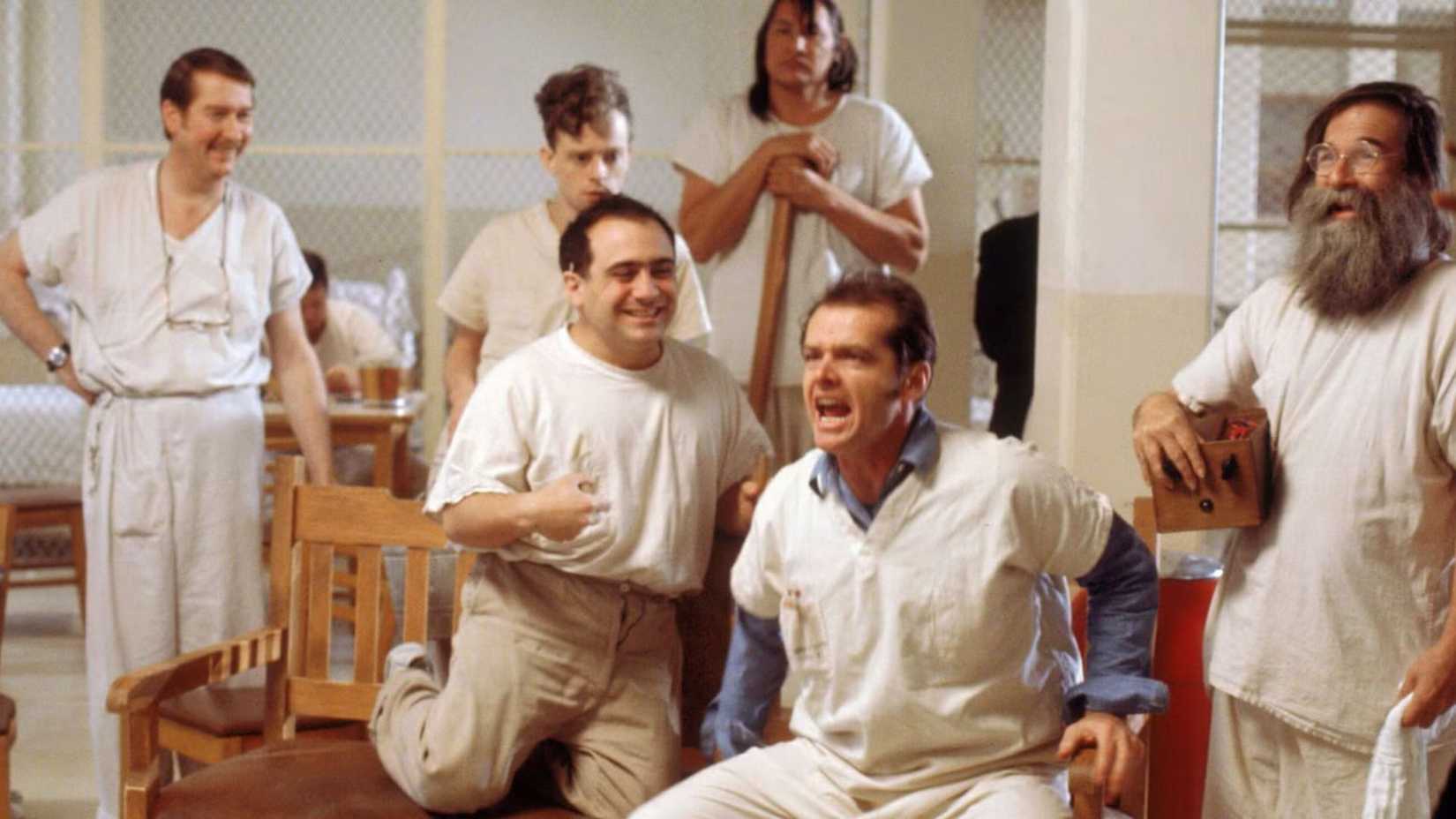
Some have argued that Jack Nicholson is the greatest actor of all time, and his Oscar pedigree certainly helps to back up that argument. The first of Nicholson's three Best Actor wins came as Randle McMurphy in One Flew Over the Cuckoo's Nest, and he was specifically suited to play the rebellious anti-hero.
Nicholson's strengths are on display, including parts that aren't often seen. McMurphy is arrogant and often unlikable, but he's also strangely sincere. Other Nicholson roles captured a part of the actor's talents, but One Flew Over the Cuckoo's Nest is his most well-rounded film. His win is deserving because of its quality and because of how it defines Nicholson's career.
Marlon Brando - The Godfather (1972)
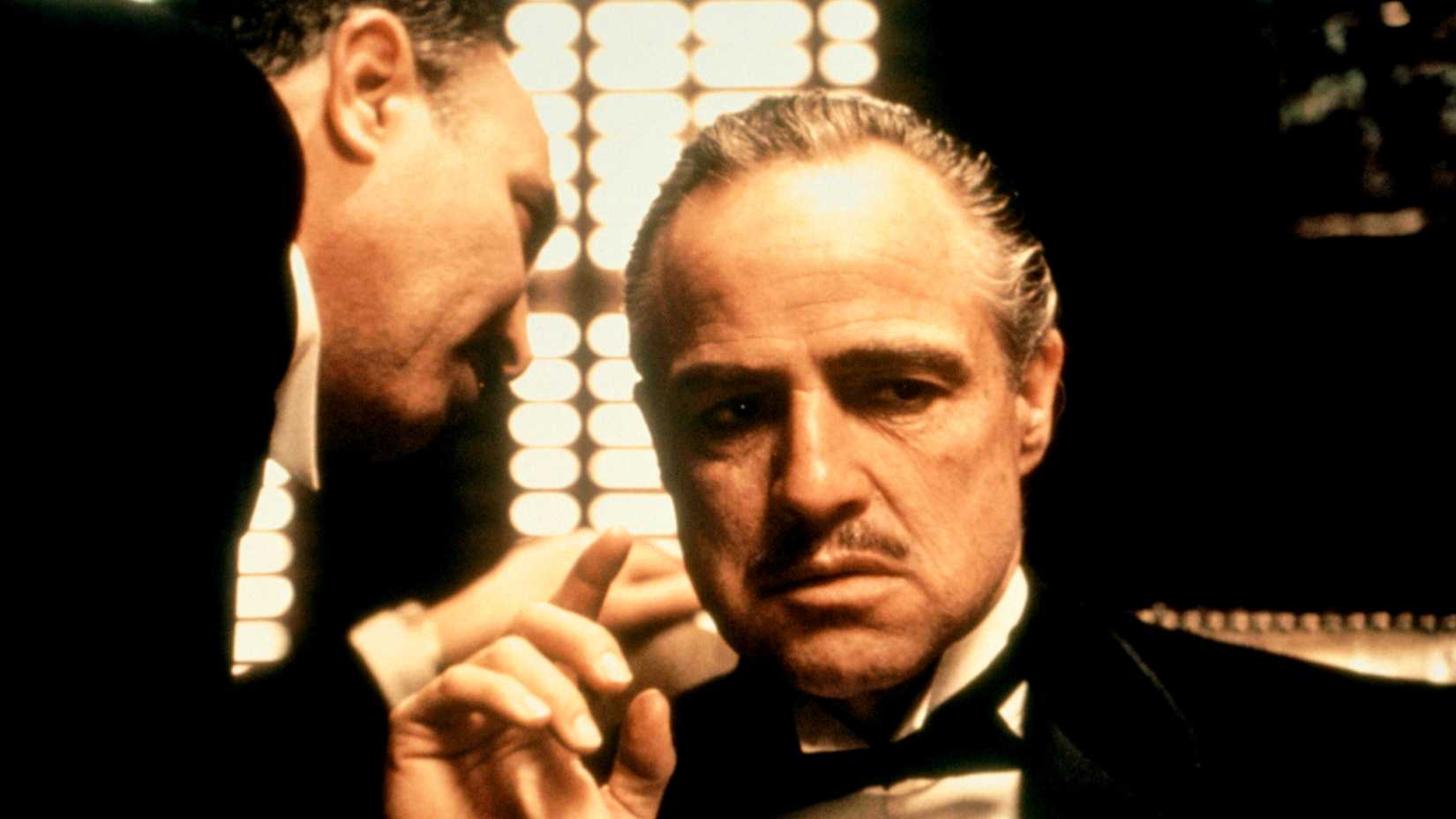
It's hard to overstate the importance of The Godfather, and Marlon Brando's performance as Don Vito Corleone is just as important. Brando was an elder statesman of Hollywood by 1972, and his commanding turn as the head of the Corleone crime family illustrated that fact. The actor's performance reflected the elevated sense of drama found in Francis Ford Coppola's film.
Brando shares screentime with Al Pacino, but still manages to steal the show. Vito Corleone is weighed down by his business, and he is torn between his obligations to family and to organized crime. His arc is subtle, especially noteworthy in a film known more for its sweeping dramatic moments. Even if he refused the award, Brando certainly deserved it.
George C. Scott - Patton (1970)

The Academy was rebuffed twice in the early 1970s, and George C. Scott was the first actor to refuse a Best Actor win. He was given the award for playing the title character in Patton, a biopic of the WWII general and controversial historical figure. Only one actor in Hollywood could have played the part, and Scott delivered.
Scott's performances were often larger-than-life, but it was appropriate when playing Patton on screen. He captured the cartoonish energy of the man, while also exploring the inner workings of his brilliant mind. The film is an effortless distillation of his life, but it needs George C. Scott to put the pieces together.
Gary Cooper - High Noon (1952)
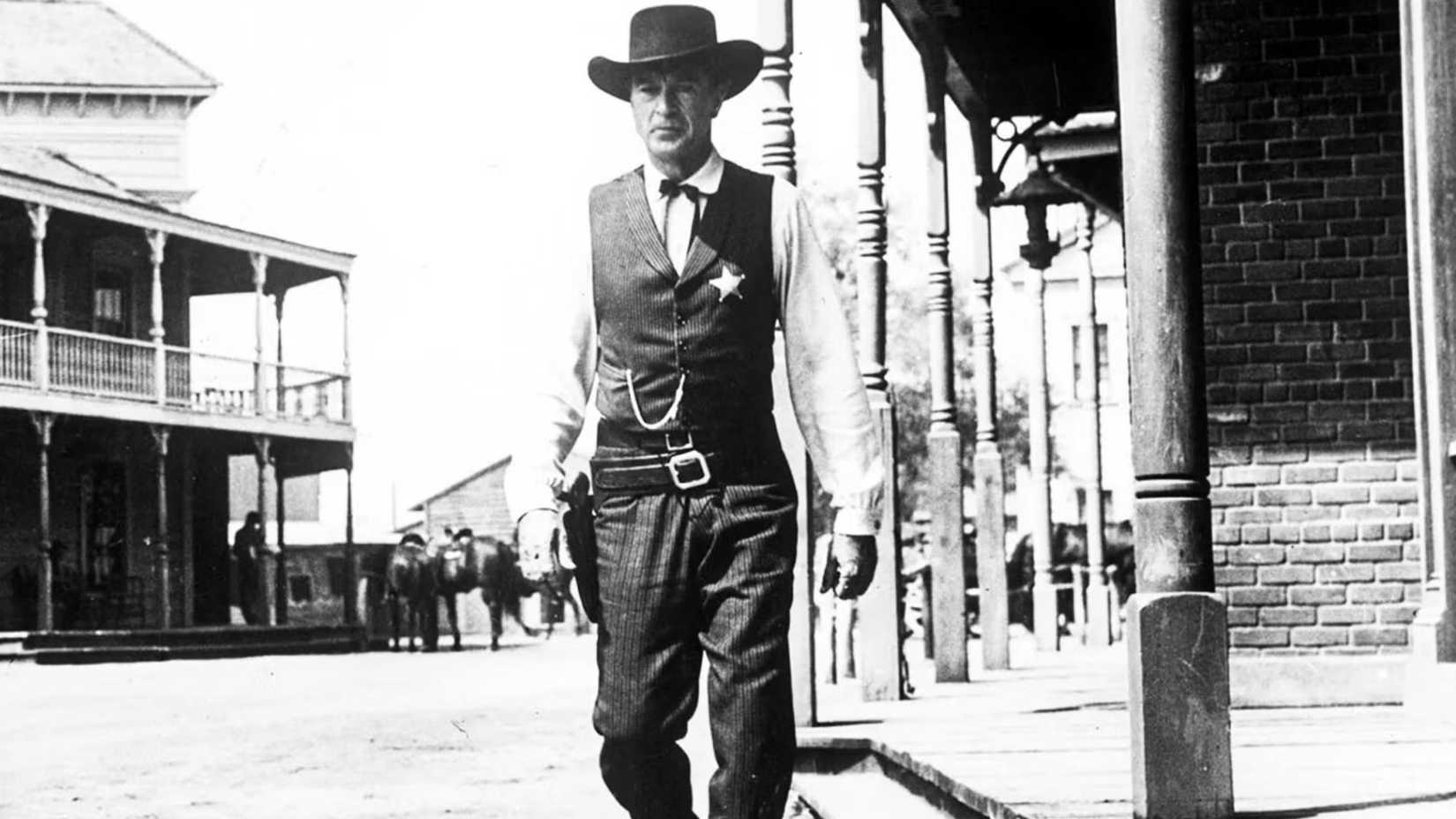
High Noon was controversial because it questioned the ideals of the western genre, but the Academy was swept away by Gary Cooper's lead performance. Cooper stars as Sheriff Will Kane, who must prepare for a showdown with a gang of criminals. Told in mostly real time, High Noon digs deep into the psyche of its main character.
Westerns were still formulaic in the 1950s, so Cooper's performance stood out from the swaggering bravado of his contemporaries. He carries suspense and fear on his face, and the audience can't help but relate to Kane as the hour draws nearer. Because the movie eschewed action, Gary Cooper had the nearly impossible task of carrying all 85 minutes by himself.
Clark Gable - It Happened One Night (1934)
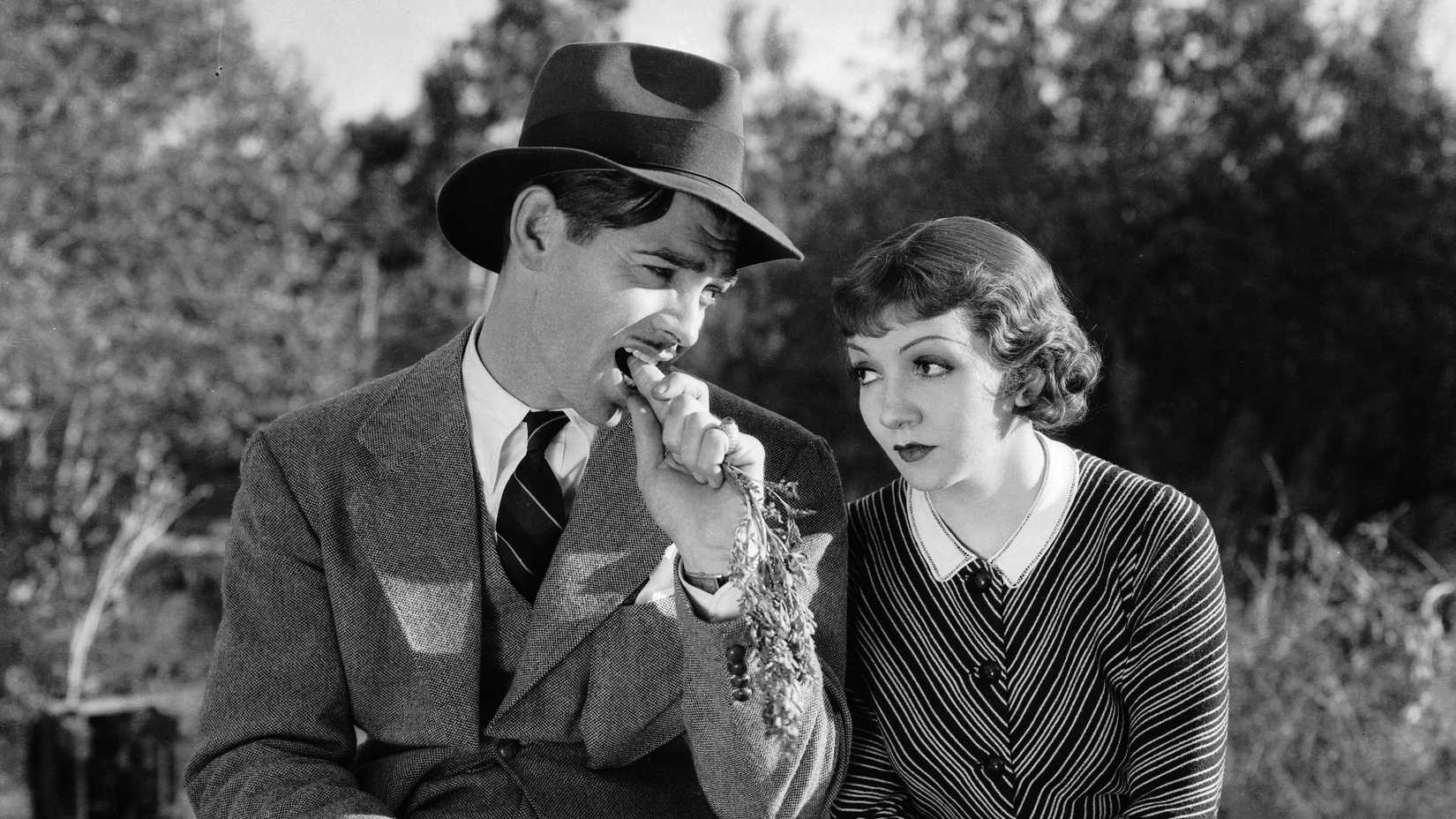
Made in the halcyon days before strict censorship took over Hollywood, It Happened One Night is a watershed moment in motion picture history. Clark Gable co-stars as the roguish Peter Warne, a carrot-munching reporter with a sense of humor and a silver tongue. Gable won Best Actor on the strength of his overwhelming charm.
The movie is surprisingly sexy for the 1930s, and that playfulness comes out in the performances of Gable and Claudette Colbert. The former's Oscar-winning performance is indisputable because it is not only a comedic accomplishment, but also because of how influential it would be in the future. There's a reason it swept all five of its Academy Award categories.

8/10
Location Los Angeles, CA
Dates March 15, 2026
https://www.oscars.org/



 English (US) ·