.png)

Published Jan 31, 2026, 5:15 PM EST
Stephen is a Classic Movies writer at Screen Rant. Formerly a reporter for The Irish Independent and The Sligo Champion, he has also been published in other outlets such as the Sunday World, Connacht Tribune, and Knewz.com. With experience covering crime, human-interest, politics, and social justice movements, pop culture and entertainment always stood out as his favorite stories to pursue. Stephen also writes, produces, and presents his own music podcast series on Spotify called Sound Thinking, which explores off-beat or underrepresented genres. This podcast takes a deep dive into the careers of different artists and bands, such as Bob Dylan, David Bowie, and The Kinks.
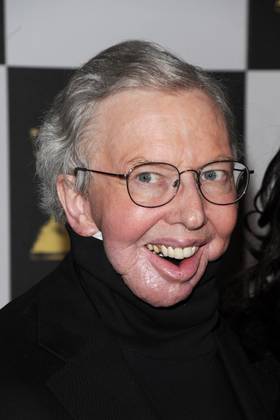
The late Roger Ebert stands out as perhaps the most acclaimed film critic of all time, so his picks for best films ever have been entrenched as true must-watch releases. While Ebert has outlined dozens of fantastic films in his great movie selections, just one year before he passed away, he whittled this down to just ten movies for Sight & Sound.
These films represent the full spectrum of great cinema, as Ebert picked everything from a silent movie classic made over 100 years ago to contemporary prestige arthouse experimentations. As someone who was always clued in to what made movies so wonderful, it’s no surprise that Ebert’s favorites celebrate cinema in an earnest and powerful way.
Aguirre, Wrath Of God (1972)

Roger Ebert called Werner Herzog’s Aguirre, Wrath of God an “ethereal, darkly comic, searingly brilliant masterpiece” and commended it as one of the great “haunting visions of cinema.” Exploring the doomed expedition of the conquistador Gonzalo Pizarro, the film takes a minimalist approach to dialogue and story to build an atmosphere of relentless madness.
With an iconic soundtrack composed and performed by kosmische musik band Popol Vuh, Ebert believed the music was crucial to the film’s power. Throughout his career, Ebert consistently hailed the uncompromising vision of Herzog, but nowhere did he lavish more praise than for Aguirre, Wrath of God.
Apocalypse Now (1979)
 United Artists /Courtesy Everett Collection
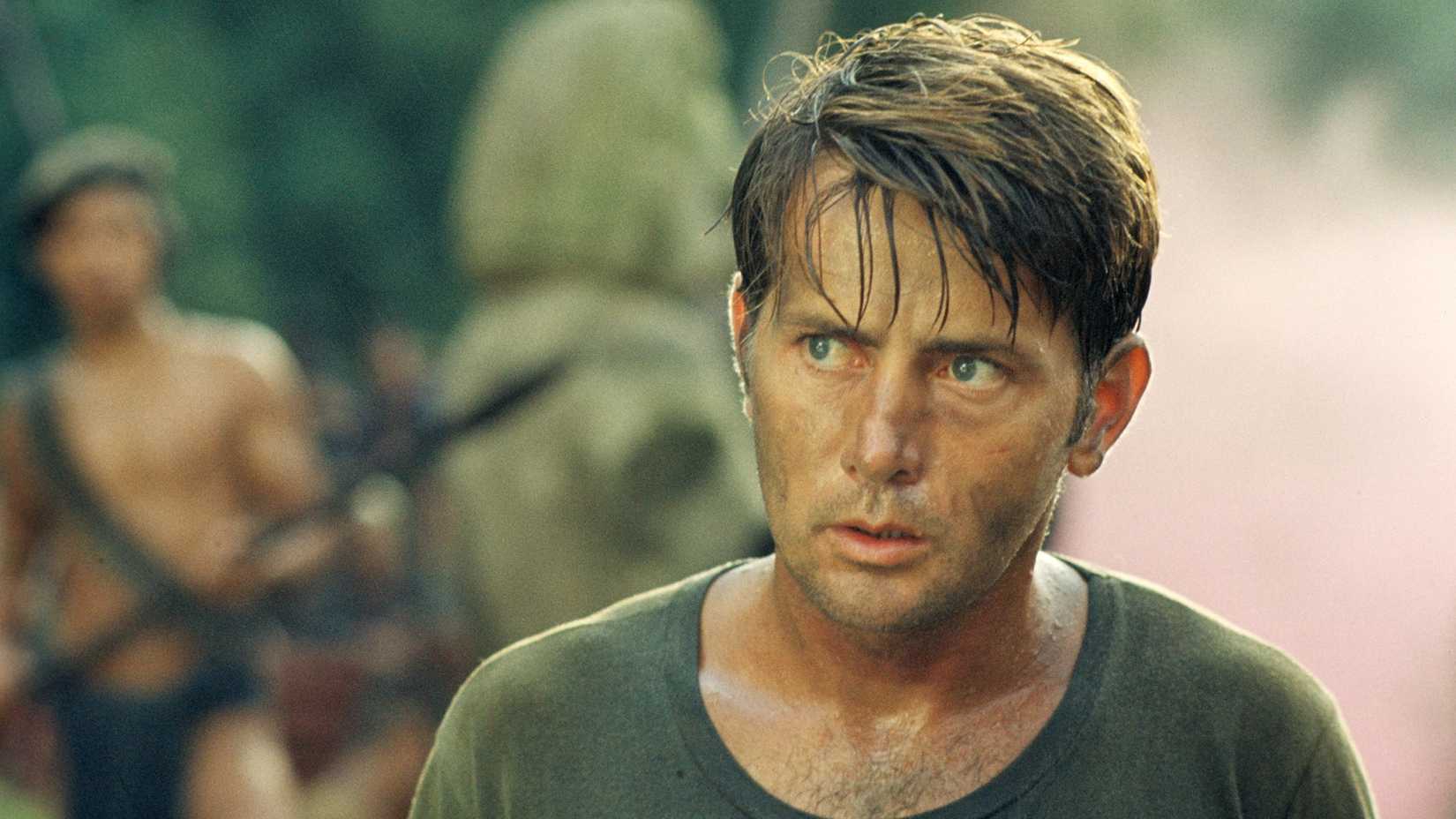
When cataloging the greatest movies of all time, Roger Ebert noted that Francis Ford Coppola’s The Godfather often gets the most credit. However, he believed Coppola’s true masterpiece was the Vietnam War movie Apocalypse Now, which he said “still causes real, not figurative, chills to run along my spine, and it is certainly the bravest and most ambitious fruit of Coppola’s genius.”
As a powerful reimagining of Joseph Conrad’s Heart of Darkness, Apocalypse Now dealt with themes of imperialism, moral decay, and the horror of war. With standout performances from Martin Sheen and Marlon Brando, it’s amazing how well this film holds up more than 45 years later.
Citizen Kane (1941)

Citizen Kane has long held the title of greatest movie of all time, so much so that it’s often used as shorthand for a literal masterpiece. Roger Ebert believed this title was well earned and even wrote an essay about the enduring power of the fictional life and legacy of Charles Foster Kane, just one year before he passed away.
Ebert called Citizen Kane “as fresh, as provoking, as entertaining, as funny, as sad, as brilliant” as ever, even 50 years after its release. He commended Orson Welles' incredible vision and said he watched the film “at least 50 times on 16mm, videotape, and laserdisc,” going through each scene individually to appreciate its brilliance.
La Dolce Vita (1960)

While the Italian filmmaker Federico Fellini has many acclaimed films, such as Nights of Cabiria and 8½, Roger Ebert singled out La Dolce Vita as his very best. Ebert said the film “has become a touchstone in my life” and was a film originally about a life he dreamed of living, then lived, and eventually escaped.
With a deep personal connection, Ebert said Fellini captured the “arc of my life” through this story of a tabloid journalist enjoying the sweet life in Rome, searching for love and happiness over seven days. A true masterpiece of Italian cinema, La Dolce Vita’s success was a watershed moment for European filmmaking as a whole.
The General (1926)

It’s incredible that Buster Keaton’s The General has remained so acclaimed 100 years since it was first released. Roger Ebert said it was important to have a silent film in his picks for best movies of all time and cited this release as the comedy legend Keaton at his absolute peak.
While general audiences will likely think of Charlie Chaplin when it comes to silent comedies of the 1920s, the truth is that Keaton laid the groundwork for so much of what would become modern filmmaking. It’s no surprise that Ebert respected Keaton’s vision and did his part to ensure his legacy would not be forgotten in the era of sound.
Raging Bull (1980)
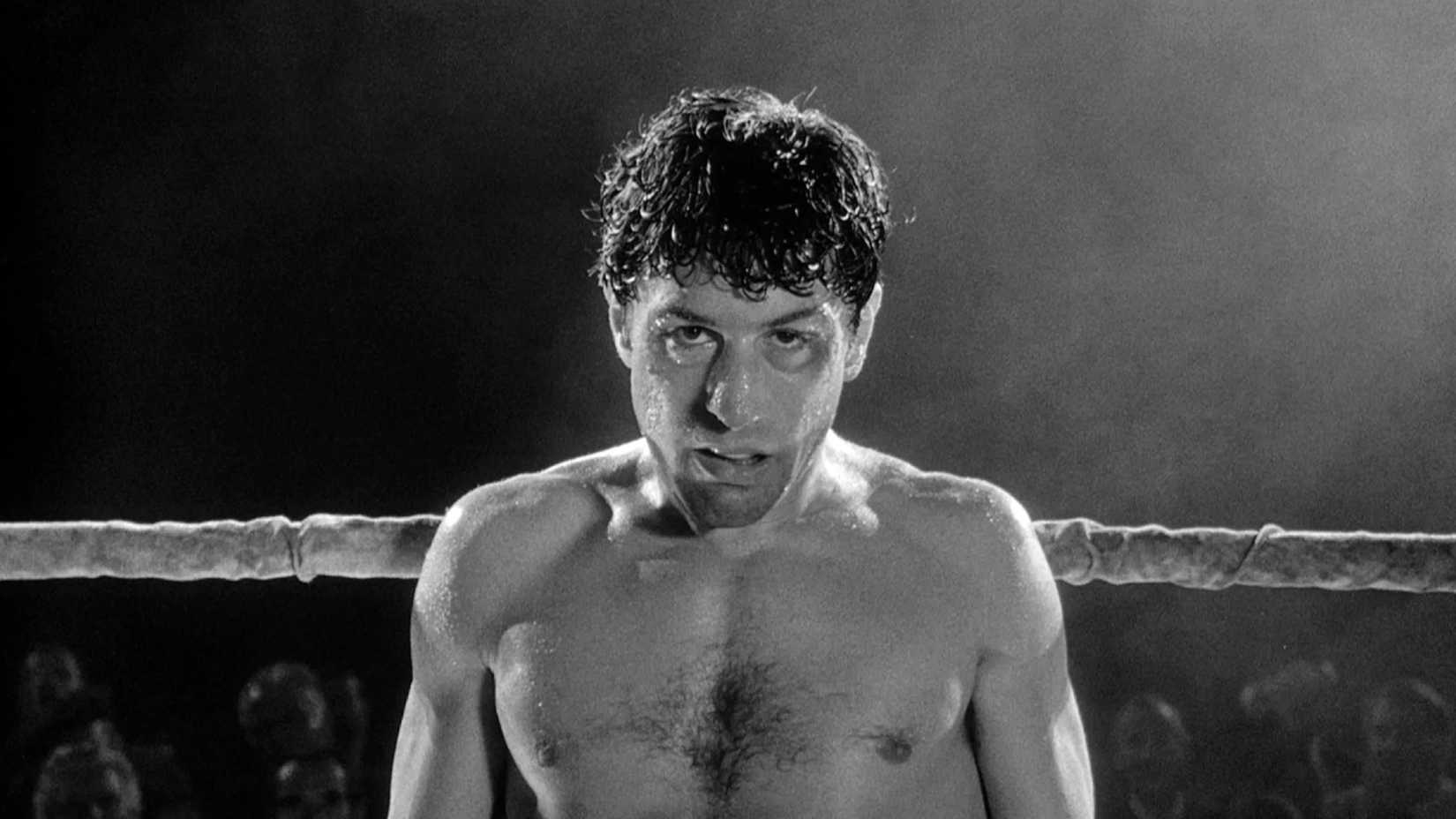
Roger Ebert admitted that many might point to Taxi Driver as Martin Scorsese’s greatest movie, but that he believes Raging Bull stands out as his magnum opus. As Scorsese’s “most personal” movie, Ebert called it “the greatest cinematic expression of the torture of jealousy,” and likened it to Scorsese’s Othello.
Starring Robert De Niro as the real-life boxer Jake LaMotta, this story of anger, ego, and jealousy delved into the complexities of the male psyche and the insecurities of damaged, embittered men. Like the best sports movies, it was not about sports at all, but the dark realities of fragile masculinity.
2001: A Space Odyssey (1968)
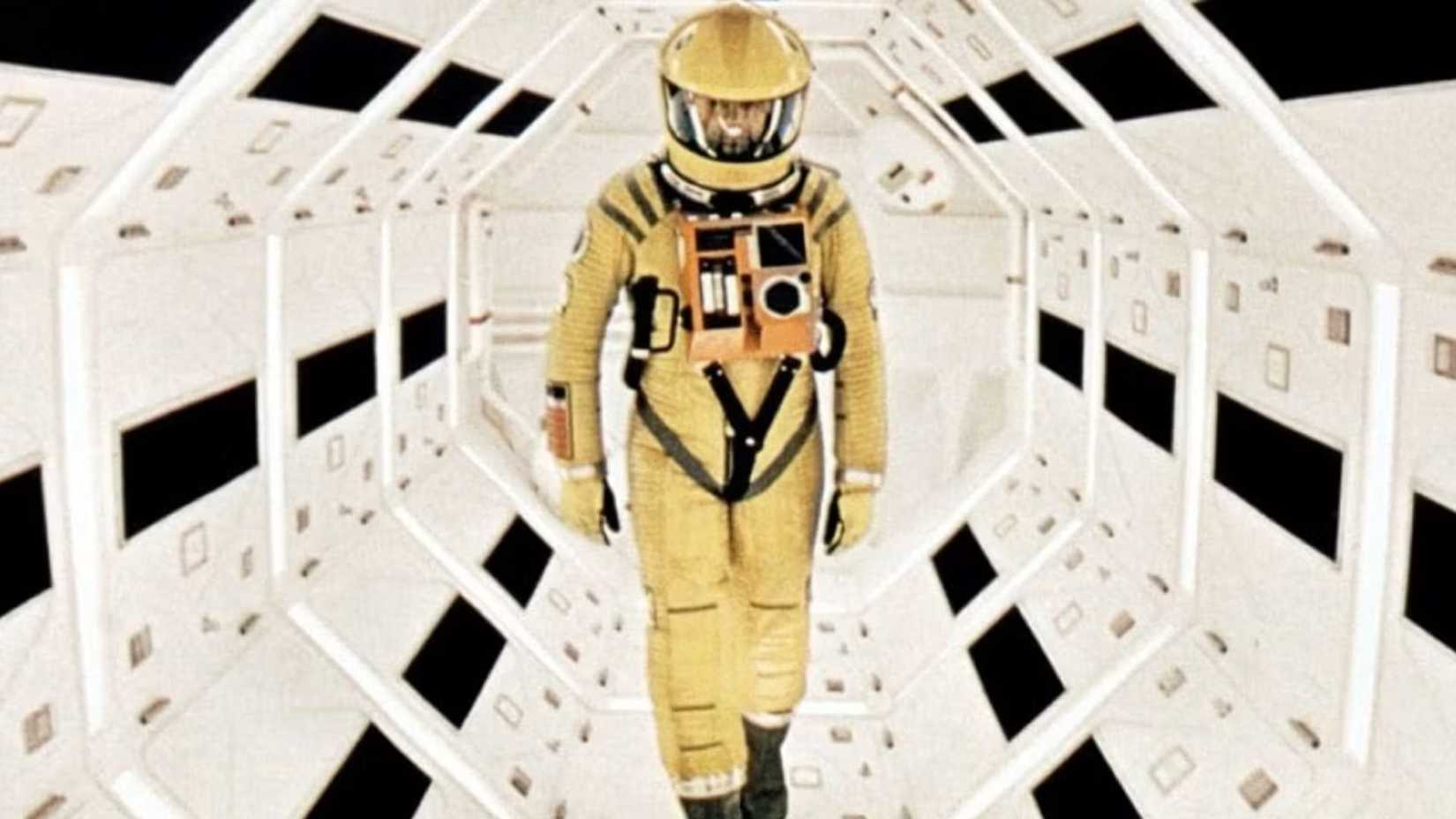
Stanley Kubrick was behind some of the best movies of the 20th century, including satirical classics like Dr. Strangelove and iconic horror adaptations such as The Shining, but in terms of sheer visual wonder, 2001: A Space Odyssey stands supreme. Roger Ebert definitely thought so, describing the movie as magnificent “on a cosmic scale.”
While the slow-paced narrative of the film might have frustrated some viewers, Ebert understood that 2001: A Space Odyssey had achieved something special through its combination of awe-inspiring visuals and beautiful classical music. This film represented moviemaking at its finest and was filled with intrigue and mystery.
Tokyo Story (1953)

“The older I grow and the more I observe how age affects our relationships, the more I think Tokyo Story has to teach us,” Roger Ebert said of this Yasujirō Ozu classic. This is an apt description of the enduring legacy of this release, whose quiet exploration of elderly parents visiting their grown children reflects a deep understanding of life itself.
Through carefully constructed shots, it’s clear that directors like Wes Anderson learned a lot from Ozu, as his minimalist approach to filmmaking let the emotions shine through. Tokyo Story told a simple tale of parents and children, with characters Ebert described as “so universal that we recognize them instantly.”
The Tree Of Life (2011)

Roger Ebert submitted lists of his favorite movies to Sight & Sound in 1972, 1982, 1992, 2002, and 2012, and The Tree of Life was the only new addition to his final list. This thought-provoking and experimental Terrence Malick movie replaced Dekalog, with the only strong contender being Charlie Kaufman’s Synecdoche, New York.
However, The Tree of Life ultimately made the cut and was the only 21st-century film on his list. Ebert commended the movie for its attempts “to tell the story of an entire life” as it packed the wonder, excitement, trials, and tribulations of human existence into a single, awe-inspiring cinematic experience.
Vertigo (1958)
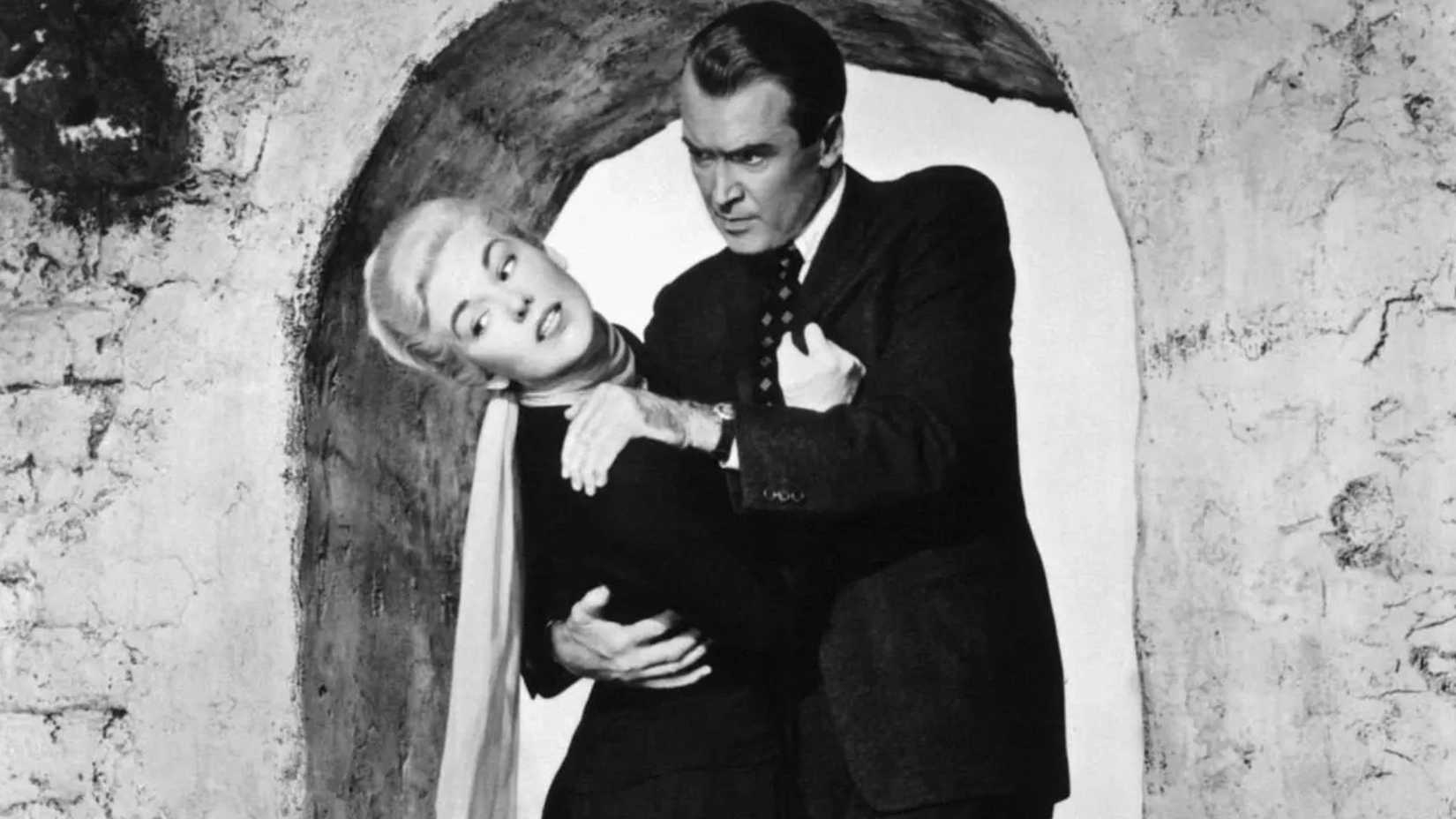
Roger Ebert previously chose Alfred Hitchcock’s Notorious as one of the greatest movies of all time, but his final list ultimately picked Vertigo. Having earned the number one spot as best movie ever made in Sight & Sound’s 2012 critics poll, it’s apparent that Ebert was not the only one who appreciated the power of this dark psychological thriller.
With James Stewart playing against type to portray a man consumed by love and obsession, the dark undertones and themes of doubling in Vertigo made for truly thrilling viewing. Vertigo brought together everything Hitchcock does well and even managed to best other classics like Psycho, Rebecca, and Rear Window.
Source: Rogerebert.com
Birthdate June 18, 1942
Birthplace Urbana, Illinois, USA
Height 5 feet 8 inches
Professions Film Critic, Screenwriter, Journalist, Author



 English (US) ·