.png)
I’ve always been drawn to trilogies over standalone films or never-ending franchises. You have to love it when a story has a clear beginning, middle, and end, and that’s essentially what a trilogy is. These stories are practically designed to offer a sense of scope while still staying focused and intentional. When done right, each installment builds on the last and deepens the stakes instead of reintroducing them all over again.
The payoffs feel earned, and nothing ever feels rushed along the way thanks to a trilogy’s restrained structure. This kind of sharp storytelling is something sprawling film series often struggle to achieve. If you’re on the lookout for entertaining trilogies that get better with each chapter, here’s my list of 10 movies that you just can’t miss.
10 The ‘Fear Street’ Trilogy (2021)
 Image via Netflix
Netflix’s Fear Street trilogy has been one of the streamer’s most surprising experiments that actually sticks the landing. The series, directed by Leigh Janiak, is loosely based on the young adult horror novels by R.L. Stine and consists of one interconnected story that spans over three decades. The story begins with Fear Street Part One: 1994, which leans hard into ‘90s slasher territories while introducing the audience to the cursed town of Shadyside. It appears to be a typical teen horror setup, but it quickly reveals a much darker backstory that you can’t help but be pulled into. The larger story comes into focus with Fear Street Part Two: 1978, the most critically acclaimed entry in the trilogy. The story revolves around a summer camp massacre that once again pays homage to iconic horror slashers, including Friday the 13th.
Then comes Fear Street Part Three: 1666, which takes you through the origin of the curse in a colonial setting that is meant to feel jarring and haunted. The trilogy returns to 1994 for its final act and brings everything together in a way that never feels forced. What makes this film series so effective is how every part recontextualizes its predecessor without undermining it. Every film makes the curse feel heavier, more oppressive, and personal. When you finally learn the story behind the curse, everything makes sense, and the way the trilogy closes the loop, while also delivering a shocking cliffhanger, feels like the perfect ending note. The Fear Street films don’t reinvent horror, but they confidently embrace everything that people love about the genre.
9 The Bourne Trilogy (2002-2007)
 Image via Universal Studios
The original Bourne trilogy remains the benchmark for what consistently entertaining action franchises look like. The story, based on the novels by Robert Ludlum, follows Matt Damon as Jason Bourne, a highly trained assassin who wakes up with no memory of who he is or how he became who he is. The Bourne movies are more about paranoia than they are about traditional action tropes, and that suspense keeps you hooked till the end. The story begins with The Bourne Identity (2001), which shows Bourne being pulled from the Mediterranean Sea with bullet wounds in his back and a Swiss bank account number implanted in his hip through a laser. That immediately raises the stakes and forces the audience to stick along as this man tries to make sense of what his body already knows.
He instinctively reads rooms, disarms enemies, and improvises escapes, without even realizing it, but that’s part of the fun. The second film, The Bourne Supremacy (2004), deepens the narrative as the central character’s past catches up with him. This is where the trilogy starts to feel more personal and grounded. Everything culminates in The Bourne Ultimatum (2007), the film that brings Jason’s story full circle. The franchise later continued with additional installments, but the original three films remain special thanks to their sharp storytelling and focus on character development from beginning to end. The series never loses sight of its central narrative, and each installment builds naturally on the last, and that’s why it still holds up today.
8 The Dollars Trilogy (1964-1966)
 Image via United Artists
Sergio Leone’s Dollars trilogy is a masterclass in great writing. These films reinvent the Western genre in real time and deliver an endlessly entertaining arc that only grows stronger with each entry. The series begins with A Fistful of Dollars (1964), which follows Clint Eastwood as the iconic man with no name who rides into a border town torn apart by two rival families and begins playing both sides for his benefit. The plot feels deceptively simple, but it lays the foundation for the narrative’s larger obsession with power and moral ambiguity. The Dollars trilogy strips the genre of romanticism and really focuses on all the violence and the fight for survival. In A Few Dollars More (1985), Eastwood’s character is referred to as Manco and is paired with Lee Van Cleef’s Colonel Douglas Mortimer, a seasoned bounty hunter.
Their uneasy partnership drives the story forward and takes it beyond a simple manhunt. For many viewers, though, the last installment takes the cake. The Good, the Bad and the Ugly (1966) is where the trilogy truly shines and delivers the payoff that the story has been building toward since the first film. The story is set against the chaos of the American Civil War and expands the trilogy’s scope in ways that you just don’t expect. Eastwood’s character’s volatile partnership with Eli Wallach’s Tuco gives the film its sense of unpredictability and keeps you wanting more. The Dollars trilogy remains a masterclass in storytelling because you can practically see Leone sharpening his craft with each film. The characters grow more nuanced, the themes are heavier, and the filmmaking is more confident. These three films practically define Western cinema, so you can’t miss out here.
7 The Original ‘Star Wars’ Trilogy (1977-1983)
 Image via Lucasfilm
The Star Wars franchise is one of the most influential cinematic universes of all time, with a cultural footprint that’s impossible to ignore. The original trilogy, created by George Lucas, however, is in a league of its own. The first three films in the series tell a complete story with clarity and purpose. You don’t need to be caught up on the endless lore of the universe to stay engaged because these films are still building that world. The trilogy opens with Star Wars (1977), which tells the story of Luke Skywalker (Mark Hamill), a young, impatient man who is pulled into the Galactic Civil War almost by accident.
The film slowly reveals the scale of its universe and allows you to connect with the characters before fully revealing the mythology that’s at play. This allows The Empire Strikes Back (1980) to take the story in a much darker direction and deepen almost every element introduced in the first installment. Luke’s dynamic with Yoda (Frank Oz) and the eventual reveal of Dark Vader’s (James Earl Jones) true identity are the standout elements of the second film and essentially force Luke to confront the failures and corruption of the Empire. Return of the Jedi (1983) brings everything together, with Luke having transformed into a responsible man who understands the cost of his choices. The trilogy allows the story to grow more complex with each chapter while still retaining the magic that originally drew viewers in. Their success is what has allowed the franchise to continue its expansion with prequels, sequels, and ever-increasing spinoffs.
6 ‘Back to the Future’ Trilogy (1985-1990)
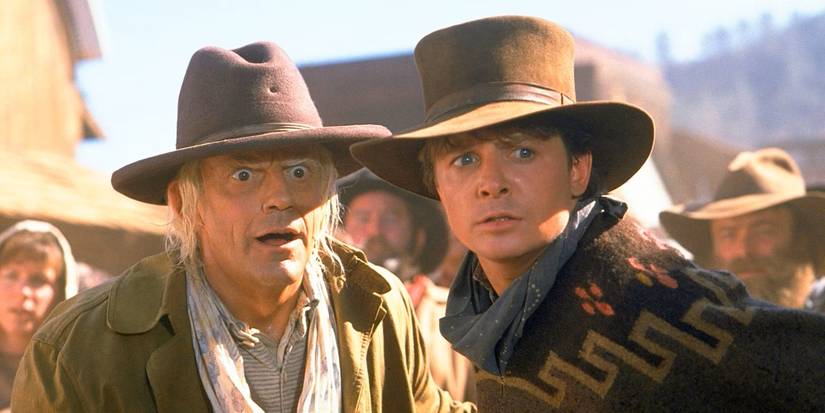 Image via Universal Pictures
The Back to the Future trilogy is widely regarded as the best trilogy of the 1980s, and for good reason. The franchise, created by Robert Zemeckis and Bob Gale, strikes the perfect balance between high-concept sci-fi and character-driven storytelling. What’s interesting is that it was never planned as a trilogy, but the success of the first film practically asked for the story to continue. The series follows Marty McFly (Michael J. Fox), a typical teenager, to accidentally travels back in time thanks to the eccentric Doc Brown (Christopher Lloyd). The stakes are immediately raised when Marty disrupts his parents’ first meeting and risks erasing himself from existence. This leads to a hilarious journey where he does everything in his power to fix the timeline and return home before it’s too late.
The characters in the first film are instantly endearing and relatable, which allows Back to the Future Part II (1989) to fully lean into the chaos of time travel as Marty finds himself in the year 2015, where his family is falling apart. Back to the Future Part III (1990) is the final chapter in the story and takes the narrative into Western territory, focusing on Doc Brown’s arc. Each film in the trilogy feels distinct, and yet they fit together seamlessly. Running gags span decades, and Marty truly grows up as he realizes that everything he does carries consequences. Despite their heavy lessons, the films never feel preachy and manage to stay consistent with their playful, feel-good tone. This rare combination made Back to the Future the gold standard for every trilogy to come after it.
5 The ‘How to Train Your Dragon’ Trilogy (2010-2019)
 Image via DreamWorks Animation
The How to Train Your Dragon trilogy features some of the most thematically rich films of all time. The franchise is based loosely on the novels by Cressida Cowell and tells a complete coming-of-age story. We follow Hiccup Horrendous Haddock III, voiced by Jay Baruchel, a scrawny Viking teenager living on the island of Berk in a society defined by dragon slaying and brute strength. However, when Hiccup ends up befriending a dragon that he lovingly names Toothless, he starts to question the very values he has grown up with. This emotional groundwork allows How to Train Your Dragon 2 (2014) to push the story into more complex territory with Hiccup caught between his desire for exploration and the looming responsibility of leadership.
The second installment shows Berk having evolved into a peaceful home for dragons, but they have to fight the outside world that still refuses to let go of the conflict. The third film, How to Train Your Dragon: The Hidden World (2019), is the trilogy’s most mature entry, which focuses on the importance of letting go and delivers a bittersweet ending that honors Hiccup and Toothless’s journey perfectly. Each installment in the franchise reflects a different stage of life, from the blissful unawareness of the central character’s youth to his hard-earned wisdom. The audience grows up with the narrative in the How to Train Your Dragon trilogy, and that is an immersive experience like no other.
4 ‘The Lord of the Rings’ Trilogy (2001-2003)
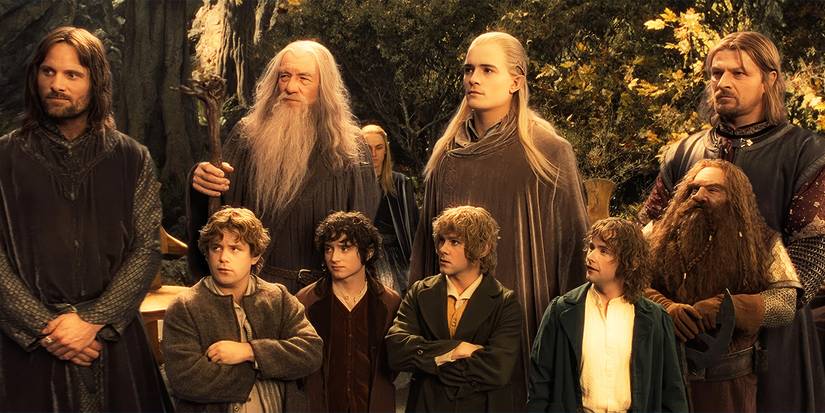 Image via New Line Cinema
Few trilogies feel as deliberate as Peter Jackson’s The Lord of the Rings films. From the beginning, the films feel like they were made with a clear intention and storyline in mind, instead of every installment trying to outdo the last. The trilogy plays out like a carefully paced journey that places the audience in the world of Middle-earth. The story begins with The Lord of the Rings: The Fellowship of the Ring, which follows Frodo Baggins (Elijah Wood), an ordinary hobbit who is handed the impossible responsibility of destroying a powerful ring that corrupts anyone who holds it. The film takes its sweet time establishing why this matters and grounds its grand fantasy in relatable themes like friendship and dear. By the time Frodo leaves the safety of the Shire, you know that he is in for a world of uncertainty.
The Lord of the Rings: The Two Towers (2002) builds on that narrative and follows two journeys at once, with the Fellowship split apart. This is when Frodo and Sam’s (Sean Astin) journey becomes more tense, and the Ring’s influence starts to wear them down. The introduction of Gollum, portrayed by Andy Serkis, adds an important layer to the story and reinforces the series’ idea of how evil slowly takes over people. The Lord of the Rings: The Return of the King (2003) is a fitting conclusion to this epic saga, with Frodo reaching the breaking point of his journey. The trilogy offers no shortcuts or constant explanations and trusts its viewers to follow along. By the time it all comes full circle, though, it feels complete in a way that very few fantasy franchises do. That sense of purpose is why The Lord of the Rings continues to be a benchmark for the genre.
3 The Before Trilogy (1995-2013)
 Image via Sony Pictures Classics
The Before trilogy consists of the most romantic films you will ever experience. The series, directed by Richard Linklater and starring Ethan Hawke and Julie Delpy, stays endlessly entertaining in how it captures the feeling of real human connection over time. Each film checks in on the same two characters at different stages of their lives, and looks at how their relationship has evolved. It all starts with Before Sunrise (1995), which takes place over a single night in Vienna when Jesse (Hawke) and Céline (Delpy) meet by chance on a train and decide to spend the evening walking the city together before going their separate ways in the morning. In theory, very little actually happens in the movie, but that’s the point, because this is a story that unfolds purely through honest conversation.
Before Sunset (2004) takes place nine years later and shows the two characters reuniting and reminiscing about what could have been before deciding to take a chance on love. Before Midnight (2013) is the trilogy’s emotional high point that shows Jesse and Céline as a couple with twin daughters whose relationship is tested when life pulls them in different directions. The Before trilogy is one of the most raw explorations of what romance actually looks like and how it can change over time. The central characters constantly have to fight fate itself to be with each other, but that’s exactly the kind of effort that love requires. By the end, you feel like you’ve almost lived this life with Jesse and Céline.
2 'The Dark Knight' Trilogy (2005-2012)
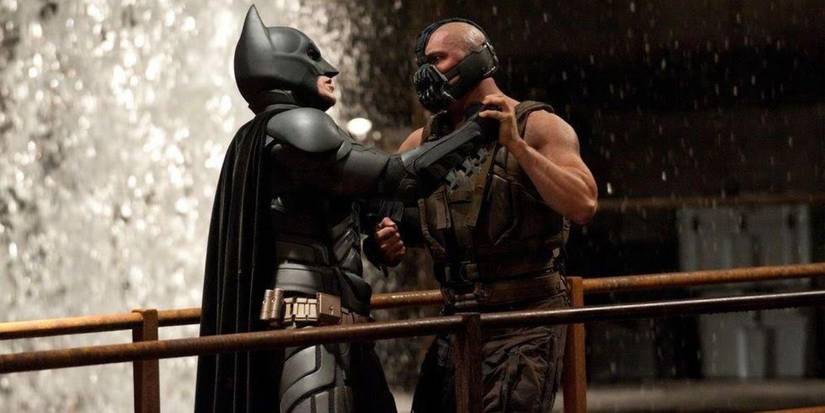 Image via Warner Bros.
Christopher Nolan’s Dark Knight trilogy does absolute justice to Batman’s origin story and remains the blueprint for the impact a superhero franchise can have on its audience. The journey starts with Batman Begins (2005), which follows Bruce Wayne (Christian Bale) long before he turns into the masked hero we know him as. The film doesn’t rush into the spectacle of it all and spends a lot of time exploring the character’s trauma, anger, and confusion after his parents’ brutal murder. When he finally appears as Batman against the gritty setting of Gotham, you are fully invested in the story, not just the superhero. This groundwork allows The Dark Knight (2008) to expand on the narrative and introduce Heath Ledger’s Joker, one of the most terrifying villains in film history.
What makes him stand out is that he doesn’t care about money or control. Instead, the Joker wants to prove that morality collapses under pressure, and this forces Bruce to make impossible choices that change him forever. Everything comes to a head in The Dark Knight Rises (2012), which is arguably the darkest installment in the trilogy. Batman has lost everything, he is emotionally exhausted, and is hiding from the world until Tom Hardy’s Bane practically forces him into a reckoning. The trilogy is committed to character growth beyond everything else and knows how to carry Batman’s emotional baggage from one film to another. Every single moment in the films might not land perfectly, but the overall arc is undeniably perfect.
1 ‘The Godfather’ Trilogy (1972-1990)
 Image via Paramount Pictures
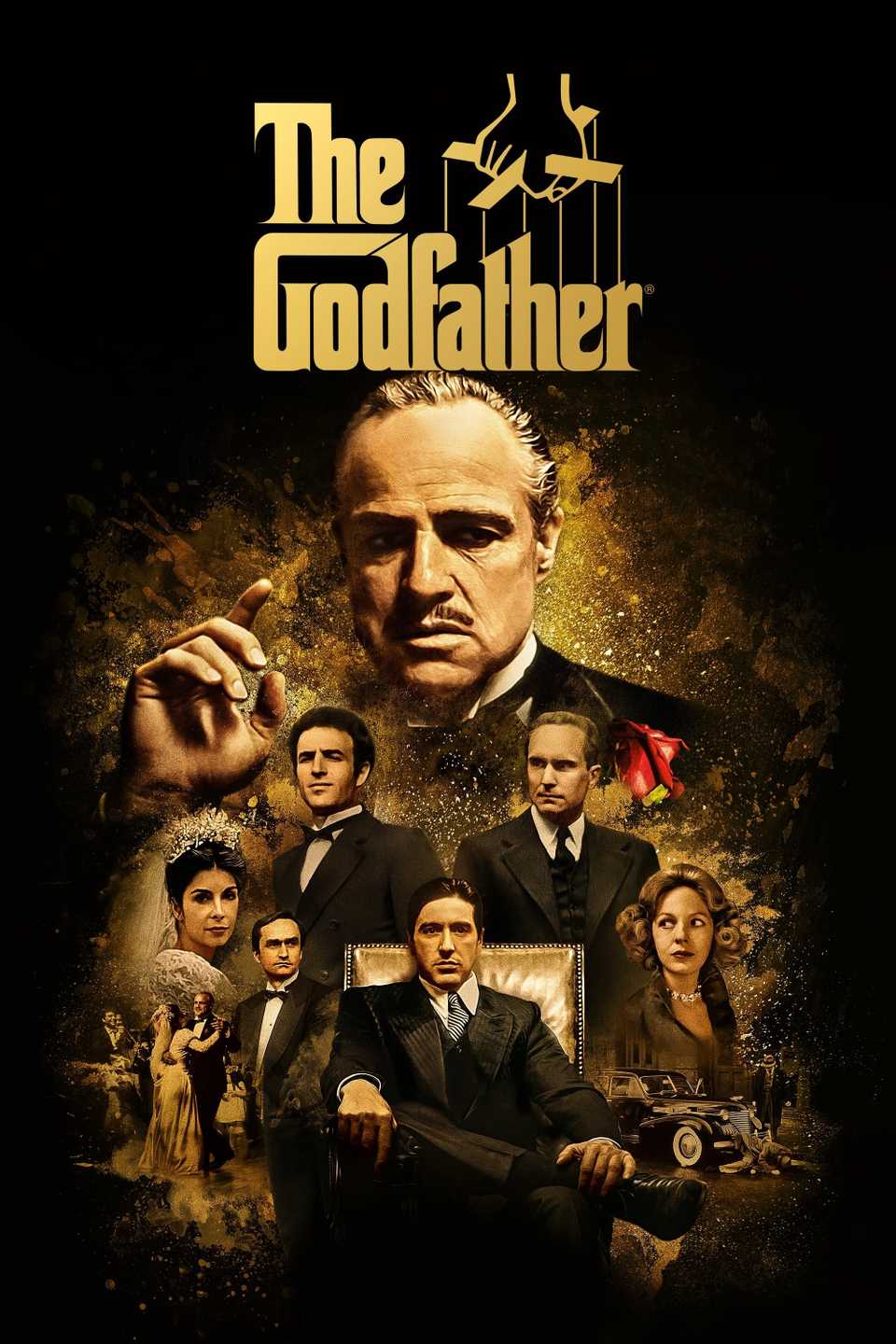
Francis Ford Coppola’s The Godfather trilogy, based on the novel by Mario Puzo, is a story about family and the slow corruption of one’s soul. The films examine the cost of inhering absolute power and the lies people tell themselves to survive it. The first film introduced the world to the iconic Vito Corleone (Marlon Brando), the aging patriarch of a mafia family whose life is a constant balancing act. The story centers on Al Pacino’s Michael Corleone, Vito’s youngest son, who wants nothing to do with his father’s empire but is forced to take over after an assassination attempt on Vito. The film follows Michael’s slow acceptance of the role he once rejected and the tragedy of that transition.
This becomes the emotional core of The Godfather Part II (1974), widely considered one of the greatest sequels ever made. The sequel follows two timelines that include Michael’s rise as the new don, along with Vito’s (Robert De Niro) rise from immigrant poverty to criminal influence in the past. These parallels make for an interesting contrast as Michael rules through paranoia, while his father builds his empire through patience and community. The Godfather Part III (1990) is the perfect epilogue that shows an older Michael trying to legitimize the Corleone empire as he is burdened by guilt. The Godfather trilogy is more than just a crime saga because of the films’ consistent focus on the humanity of it all.
The Godfather
Release Date March 24, 1972
Runtime 175 minutes
Director Francis Ford Coppola
Writers Mario Puzo, Francis Ford Coppola
-

-

Al Pacino
Michael Corleone


 English (US) ·