.png)
 Image via Netflix

Published Jan 26, 2026, 2:44 PM EST
Back in 2021, Hannah’s love of all things nerdy collided with her passion for writing — and she hasn’t stopped since. She covers pop culture news, writes reviews, and conducts interviews on just about every kind of media imaginable. If she’s not talking about something spooky, she’s talking about gaming, and her favorite moments in anything she’s read, watched, or played are always the scariest ones. For Hannah, nothing beats the thrill of discovering what’s lurking in the shadows or waiting around the corner for its chance to go bump in the night. Once described as “strictly for the sickos,” she considers it the highest of compliments.
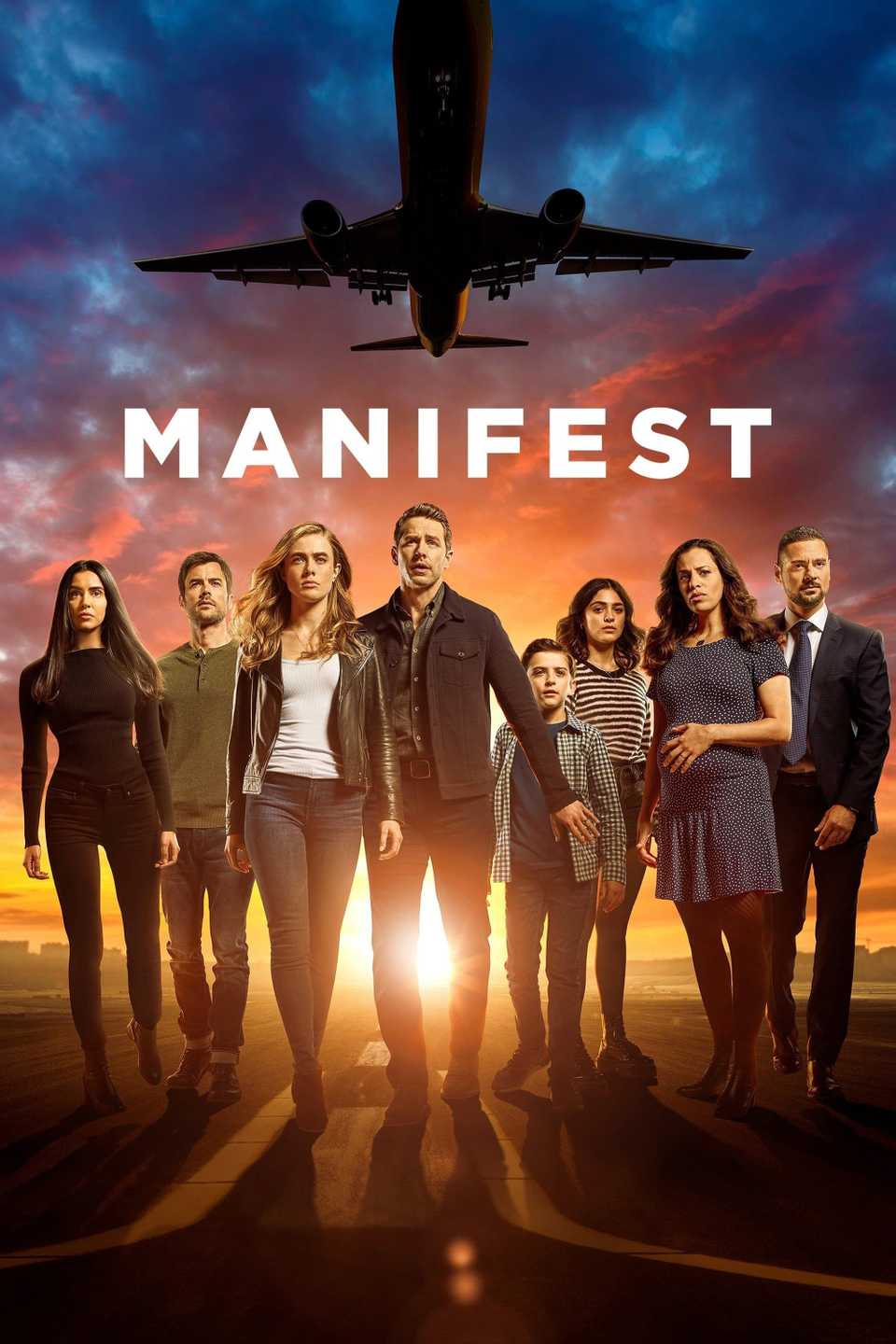
NBC canceled Manifest in June 2021 after three seasons, citing declining viewership. At the time, the decision made sense within the logic of broadcast television. Serialized dramas were becoming harder to sustain on traditional networks, and Manifest relied heavily on long-term mythology that demanded consistent weekly engagement. What the cancellation did not reflect was how differently the series would perform outside that ecosystem. When the first three seasons arrived on Netflix later in 2021, Manifest quickly surged in popularity, spending weeks at the top of the streamer’s U.S. charts and drawing in viewers who had never watched the show during its original NBC run. That performance directly led Netflix to revive the series, ordering a 20-episode fourth and final season. Part One premiered on November 4, 2022, with Part Two following on June 2, 2023, allowing the show to conclude its story in full. Now, five years after its cancellation and more than two years after its finale, Manifest is still generating remarkable engagement. From July through December 2025, the series logged more than 128.2 million hours viewed on Netflix, a figure that reframes not only its comeback but its entire legacy.
‘Manifest’s Streaming Performance Is No Longer a Comeback Story
For a long time, Manifest was discussed as a rescue success story. Netflix saving the show was treated as a rare exception, fueled by fan campaigns and a timely surge in streaming popularity. That framing no longer applies. Logging 128.2 million hours in a six-month period is not a temporary spike tied to finale buzz or nostalgia. It represents sustained engagement from multiple audience segments, including first-time viewers discovering the series years after its debut and longtime fans revisiting all four seasons. For a show that has not released new episodes since 2023, those numbers place Manifest among Netflix titles that continue to function as active library performers.
This is where the data becomes impossible to ignore. Manifest did not merely survive its cancellation. It settled into a long-tail success pattern that many current streaming originals never achieve. Netflix’s viewership metrics also highlight something broadcast ratings never fully captured: Manifest is a show that benefits from cumulative viewing. Each episode builds on the last, and each season deepens its mythology. That kind of storytelling thrives when viewers can watch at their own pace rather than keeping up week to week. The hours logged in the last six months suggest that the show continues to convert new viewers into full-series binges.

Related
‘Manifest’ Works on Netflix When It Didn’t on NBC
The contrast between Manifest’s network performance and its streaming dominance underscores how much platform context matters. On NBC, the series required steady appointment viewing and long-term narrative recall. Viewers who missed an episode risked losing track of key mythology, character arcs, and ongoing mysteries. That model became increasingly fragile as audiences shifted toward on-demand consumption and fragmented viewing habits. Netflix removes those barriers entirely. Viewers can move through episodes consecutively, revisit earlier seasons for clarity, and engage with the story on their own schedule. What feels overwhelming in a weekly format becomes far more accessible when binge-watched. The binge model also amplifies the show’s emotional stakes. Relationships, moral dilemmas, and long-running mysteries play more cohesively when watched in sequence, which strengthens viewer attachment and encourages full-series completion. Netflix didn't alter Manifest's content, but it did alter how audiences could experience it. That difference helps explain why the show continues to rack up viewing hours years after its conclusion.
A Finished Story Keeps ‘Manifest’ Relevant Years Later
 Image via Netflix
One of the most overlooked factors behind Manifest’s continued performance is its ending. Netflix’s decision to fund a final season gave the series something increasingly rare in the streaming era: narrative closure. In a landscape filled with unfinished stories and abrupt cancellations, a completed arc carries real value. Viewers know they can start Manifest without the risk of investing time in a story that goes nowhere. That certainty makes the series easier to recommend and easier to revisit. It also encourages long-term engagement, as audiences feel comfortable committing to all four seasons in one continuous viewing experience. The show’s mythology, which once struggled under weekly broadcast constraints, benefits enormously from that structure.
The last six months of data confirm that Manifest did not fade once its finale aired. Instead, it transitioned into a steady performer that continues to attract attention well beyond its original run. NBC canceled Manifest because it no longer fit the network’s ratings model, while Netflix embraced it because it aligned with how modern audiences watch television. The 128.2 million hours logged in just half a year make that distinction clear. What was once labeled an underperforming network drama has become one of Netflix’s most enduring thriller successes, long after its supposed expiration date.
Release Date 2018 - 2023-00-00
Showrunner Michael Smith
Directors Michael Smith







 English (US) ·