.png)
 Image via Apple TV

Published Jan 25, 2026, 3:00 PM EST
Anja Djuricic was born in Belgrade, Serbia, in 1992. Her first interest in film started very early, as she learned to speak English by watching Disney animated movies (and many, many reruns). Anja soon became inspired to learn more foreign languages to understand more movies, so she entered the Japanese language and literature Bachelor Studies at the University of Belgrade.
Anja is also one of the founders of the DJ duo Vazda Garant, specializing in underground electronic music influenced by various electronic genres.
Anja loves to do puzzles in her spare time, pet cats wherever she meets them, and play The Sims. Anja's Letterboxd four includes Memories of Murder, Parasite, Nope, and The Road to El Dorado.
Sign in to your Collider account
Apple TV is well-known for many awesome shows, spanning genres, countries, and even years. We all know it's the home to some of the best sci-fi of the moment, like Pluribus and Severance; add Foundation and Silo to that, and Apple TV is probably the streamer with the most original and high-quality content out of any.
Yet, Apple TV has some underrated gems, too. They're a fairly fresh streaming service, but their quality is superb, and most of their shows have amazing production value. The real problem with some of the underappreciated gems is that their marketing wasn't as good, so they didn't capture the general masses as much. From long-lasting gems that only real ones know about to brand-new mind-bending shows, here are the seven most underrated Apple TV sci-fi shows, ranked according to how fun and original they feel.
7 'Invasion' (2021–2025)
 Image via Apple TV
Invasion was created by Simon Kinberg and David Weil, and it's one of Apple TV's most divisive sci‑fi series. It was received with a lukewarm critical reaction, with critics often calling it slow; still, some fans argue that the slow-burn nature of the Invasion is exactly what makes it stand out. Instead of spectacular alien action, Invasion focuses on mood, emotions, and how ordinary people react amid life-changing, hard-to-understand events. The show's been overshadowed by some of the bigger sci‑fi hits over the years, but it has steadily gained a loyal audience that appreciates its cerebral nature.
Invasion follows a group of ordinary people across different countries as an alien invasion unfolds in real time. However, instead of explaining the invasion or giving it context, the series jumps into the minds of the people observing it, showing their confusion and the struggle for survival. The show began in 2021 and ended last year, after three seasons; each season slowly connects the perspectives of the characters, building a larger picture of the threat. Invasion may not be flashy, but it commits to its vision, and if you're willing to sit with it and give it a chance, you won't be disappointed.
6 'Hello Tomorrow!' (2023)
 Image Apple TV+
Hello Tomorrow! is a one-season miniseries that aired on Apple TV in 2023, and it was created by Amit Bhalla and Lucas Jansen. This show stands out for its retro-futuristic style rather than big sci‑fi ideas, but it didn’t receive much attention upon release. This is because it blends drama and satire within a science fiction setting, which is a pretty unique combo that often proves to be hard to market. Billy Crudup leads the ensemble, and his performance was widely praised as one of the best parts of the miniseries.
Hello Tomorrow! is set in an alternate, retrofuturistic version of the 1950s, and follows the charismatic salesman Jack Billings (Crudup), who sells and teaches others how to sell timeshares on the Moon. His private life bubbles up to the surface after he reunites with his son, showing Jack's personal struggles and secrets. The sci‑fi elements are more so in the background than being the focus of the show; making the series retrofuturistic was a choice, but a visually gorgeous one indeed. Hello Tomorrow! is a small, character-driven series that deserves a lot more attention and recognition, even if it's not technically sci-fi.
5 'WondLa' (2024–2025)
 Image via Apple TV+
WondLa was based on the novels by Tony DiTerlizzi, and it's an animated sci‑fi series that didn’t get the spotlight it deserved; it ended after three seasons, with both Season 2 and 3 being released in '25. The show could be mistaken for simple kids' content, despite having strong world-building and emotional themes that could resonate among adult audiences as well. The animation style is interesting—expressive, clean, vivid, and colorful, easy enough for viewers of all ages to enjoy. WondLa was probably not as heavily discussed as some other shows in the same category, but it stands out as a thoughtful and hopeful science fiction story with great character development.
The story of WondLa follows Eva Nine, a human girl raised in an underground world by a robotic mother. One day, Eva is forced to explore the strange and untamed world on the Earth's surface and discovers alien cultures, lost human history, and her own place in the overgrown planet. WondLa shows Eva's coming-of-age story as she searches for other humans like her, and each episode shows her adventures and discoveries while keeping the focus on her emotional and mental growth. WondLa works as both an accessible entry point into sci-fi for kids and a meaningful sci‑fi journey for adults.
4 'Murderbot' (2025–)
 Image via Apple TV+
Murderbot is an adaptation of Martha Wells' popular book series, most notably the first, All Systems Red. The show was met with high expectations, which may have worked in reverse by limiting its wider reach, and while fans of the books responded strongly to the adaptation, general audiences were slower to catch on. Murderbot's strength lies in its dry humor, awkward and quirky vibe, and brilliant revelations; oh, and Alexander Skarsgård in the lead role. It's a show that bursts with confidence—mostly because of Skarsgård—and believes in its message, never straying from clean-cut sci-fi visuals and a specific brand of humor and storytelling. This might be what makes Murderbot easy to overlook but hard to forget.
Murderbot follows a security android (Skarsgård) programmed to protect humans, that hacks the government module under which it operates, gaining free will. Assigned to protect humans it finds irritating, Murderbot (a name it gives itself) would rather watch TV than save lives, but it has to hide its newly achieved free will, so it must follow orders. Over time, Murderbot is forced into taking responsibility and making connections, finding comfort in people it once hated. Murderbot is a character-led sci-fi series that stays true to its core concept and, most importantly, stays very fun until the final episode. With themes of autonomy, trust, and connection, it's bound to become one of your new favorites.
3 'Dark Matter' (2024–)
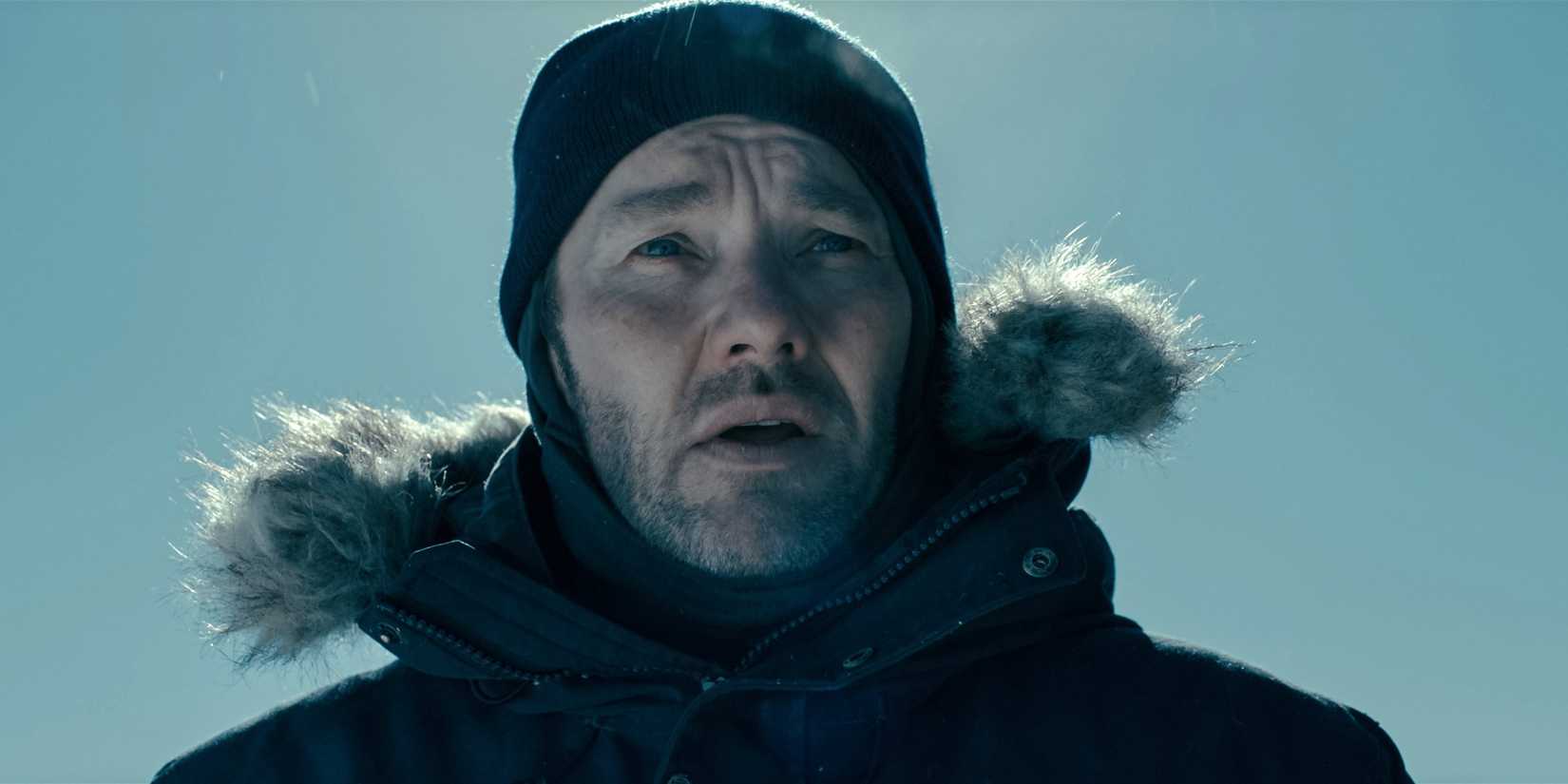 Image via Apple TV
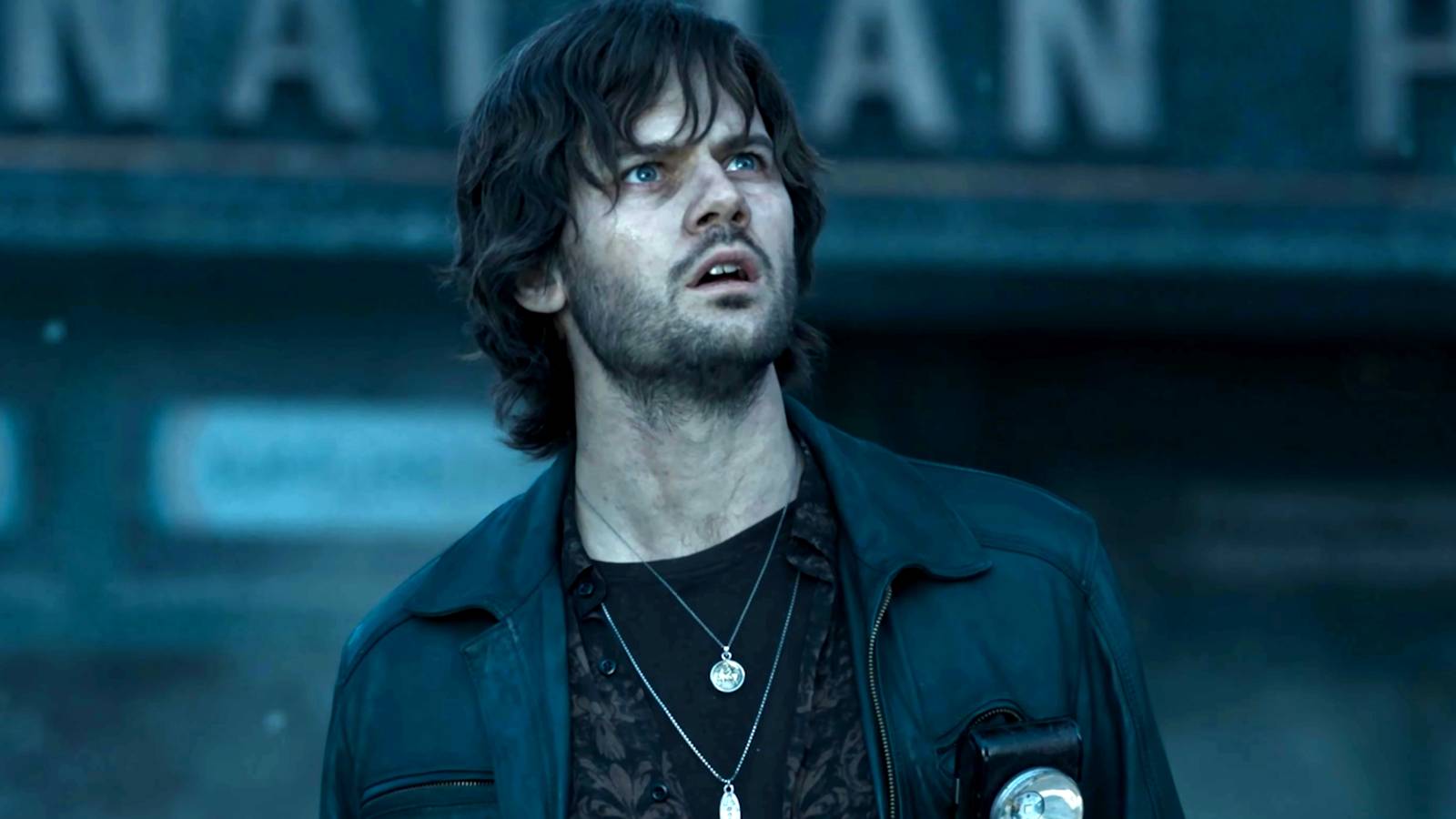
Dark Matter was created by Blake Crouch and was based on his novel of the same name; this Joel Edgerton-led hard sci-fi show arrived without much noise despite a strong novel foundation that was adapted by the literal "source," aka Crouch. It leans into classic science fiction ideas, interweaving them with romance, destiny, and life choices. The show is tightly written, visually beautiful, and explores very human emotions despite a futuristic premise, but it was quickly dismissed by some viewers, being mislabeled as "just another multiverse story." In reality, Dark Matter excels because of how well-executed and accessible it is.
Dark Matter follows Chicago native Jason Dessen (Edgerton), a physicist who is pulled into alternate versions of his own life after encountering a mysterious figure who kidnaps him and places him in a dark box. As Jason travels through different realities, each forces him to confront choices he didn't make, and shows him his life if he'd ever taken a different path. The show moves at a steady pace, balancing suspense with emotional storytelling; it often indulges in great sci-fi concepts, and there's so much to love about these parts of it. However, don't dismiss the more emotional parts because of the greatly executed sci-fi ideas—it's deep down a story about a man wondering, and making it possible, to take the "road less traveled."
2 'See' (2019–2022)
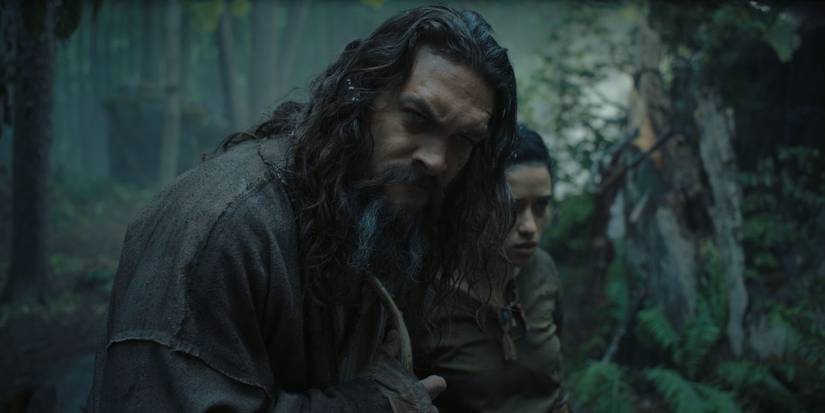 Image via Apple TV
See was created by Steven Knight, and it was initially received with mixed reactions, mostly due to its extreme and somewhat unbelievable premise. Over time, however, it proved to be far more thoughtful, innovative, and exciting; it committed fully to the world it created and its ideas, improving the lore and storytelling with each season. Its production design and action sequences are masterful, but the show never became quite the mainstream hit it deserves to be. It's also worth noting that it's the second series that ever aired on Apple TV, and with many dismissing it as a part of the streamer's shaky beginnings, they're missing out on the fact that Apple TV has "been that girl" from the very start.
See is set in a distant, post-apocalyptic future where humanity has lost the ability to see. Cities as we know them don't exist anymore, and the people everywhere are divided into rival tribes and towns. The leader of a mountain tribe, Baba Voss (Jason Momoa), meets a runaway pregnant woman named Maghra (Hera Hilmar), and they fall in love over time; Baba adopts Maghra's twins after she gives birth, and they soon realize that the children were born with sight—a rare and powerful thing that causes fear in more primitive societies. Baba is a dedicated warrior and family man, and his story becomes more prominent with each new season. By the end, See becomes one of the most visually and narratively compelling post-apocalyptic shows, maybe ever.
1 'For All Mankind' (2019–)
 Image via Apple TV+
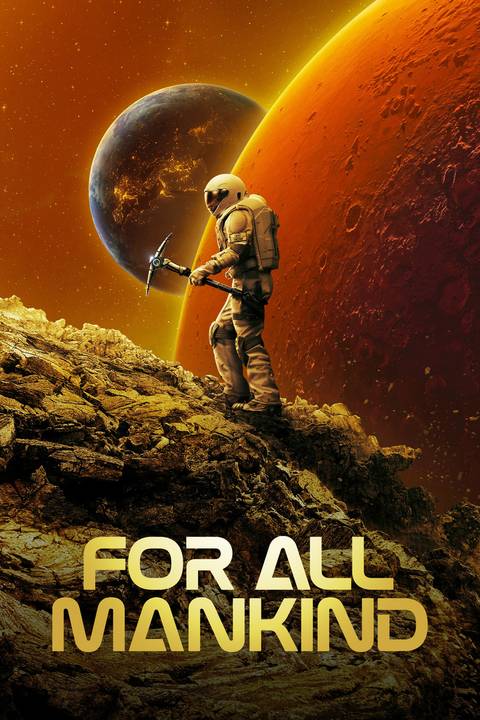
See is the second show that Apple TV released, but the first one is For All Mankind, one of Apple TV's most consistent yet underappreciated series. Created by Ronald D. Moore, For All Mankind is respected by critics and audiences who caught on early; however, it seems like it can never fully reach the audience size it deserves. It's an exciting alternate history sci-fi series, a star-studded story with a lot of emotional weight and interesting narrative choices, and a visually beautiful show. Each season evolves naturally, building on what came before, and it has a steady rise in quality and ambition, becoming a legendary show with each new episode.
For All Mankind imagines a world where the Soviet Union lands on the Moon first, causing a decline in morale at NASA, but also pushing them to catch up with the space race and mirror the efforts of the USSR for years to come. It depicts astronauts, engineers, and families across generations, and their personal stories taking place during major historical shifts. For All Mankind stars Joel Kinnaman, Toby Kebbell, Jodi Balfour, and Shantel VanSanten, among many others; new faces keep joining with each new season, resulting in a rich, character-driven sci‑fi drama that gives viewers more characters to relate to. For All Mankind stands as Apple TV's strongest and most overlooked sci-fi series.
For All Mankind
Release Date November 1, 2019
Network Apple TV
Directors Sergio Mimica-Gezzan, Andrew Stanton, Meera Menon, Dan Liu, Allen Coulter, Craig Zisk, Dennie Gordon, John Dahl, Lukas Ettlin, Wendey Stanzler, Seth Gordon, Sylvain White, Michael Morris, Maja Vrvilo, Sarah Boyd


 English (US) ·