.png)

Published Jan 31, 2026, 10:30 AM EST
Dani Kessel Odom (they/them) is an autistic lead writer on the New TV team, focusing on writing and content planning for streaming shows. They often assist with Classic TV coverage, as well.
They have covered events, such as Denver Fan Expo. Their articles have also been shared by professionals in the field, such as Damien Leone and Lucy Hale.
In university, they majored in English Writing with a minor in psychology. They have always had a passion for analyzing TV and movies, even taking filmography and scriptwriting classes in university. They also studied and participated in onstage and onscreen acting extensively from the ages of 7 to 18.
Aside from working at Screen Rant, Dani has worked as a freelance editor and writer over the past decade, often in a ghostwriting capacity.
Eight years after the movie’s release, Sony’s absolute masterpiece sci-fi and fantasy hybrid film keeps getting better with an exciting announcement. Some movies are so heartwarming, hilarious, and meaningful that they earn a place in pop culture history. One such superhero movie came out eight years ago.
Sony’s Spider-Man: Into the Spider-Verse won the 2019 Oscar for Best Animated Feature Film, the Saturn Award for Best Animated Film, and the BAFTA Film Award for Best Animated Feature Film. That’s just 3 of the 85 awards the movie won.
What’s more, it grossed $394.88 million against a $90 million budget, making it an unadulterated box office success. However, the impact of Spider-Man: Into the Spider-Verse goes much further than awards and box office numbers. The film has changed the scope of animation, and it will only get better with a new announcement.
Spider-Man: Into The Spider-Verse Changed Western Animation Forever
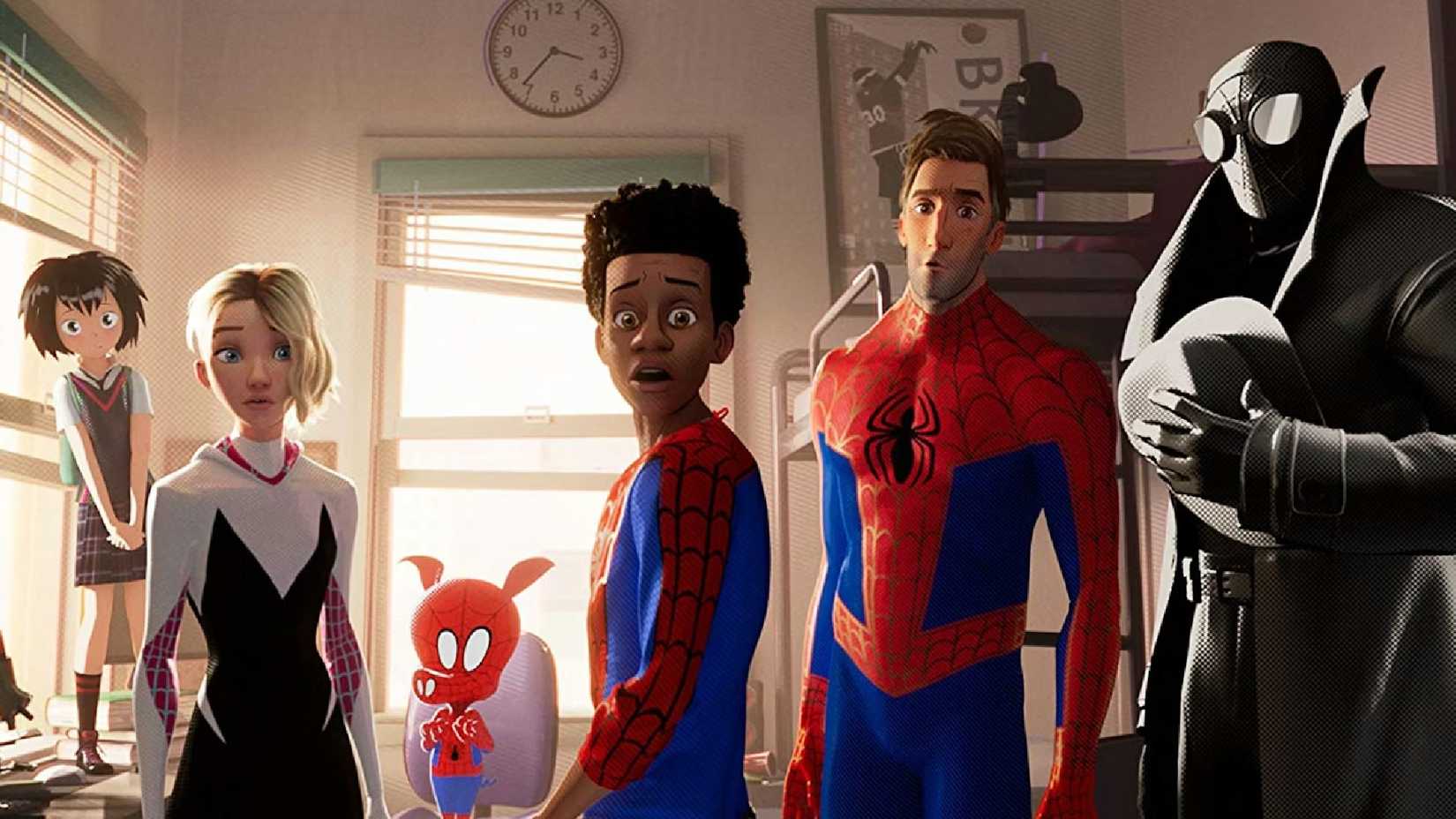
Although countries throughout Asia have been pushing the bounds of animation for decades, Western animation was stuck in a rut before Spider-Man: Into the Spider-Verse. For decades, animation has fallen in lock-step with Disney and Pixar.
Movies either tried to replicate the traditional Disney style and character proportions, or they leaned into the realism that Pixar spearheaded. After a while, the same old style gets extremely unremarkable. Yes, Pixar made exciting strides toward photo-realism, which felt fresh for a little bit. However, everyone just copied them.
Luckily, Sony pushed the limit and allowed the creators of Spider-Man: Into the Spider-Verse to break away from the norm, implementing non-photorealistic rendering, stepped animation, and hand-drawn 2D elements combined with 3D. They replicated the style of comic books through cross-hatching, lines and pop-animation dots.
By breaking away from the norm, Spider-Man: Into the Spider-Verse brought a spirit of play, sparking an influx of fun, fresh animated shows and movies that experimented with different animation styles. Many even blended different styles together. Prime examples of this include:
- Klaus (2019)
- Wolfwalkers (2020)
- The Mitchells vs. The Machines (2021)
- Arcane (2021-2024)
- Intergalactic (2022)
- Turning Red (2022)
- Teenage Mutant Ninja Turtles: Mutant Mayhem (2023)
- Nimona (2023)
- Blue Eye Samurai (2023 - Present)
- Gatto (2027)
Spider-Man: Into the Spider-Verse might not have been the first to push the limits, but it’s by far the one that made the industry-wide impact. The fact that they even managed to influence Pixar to break out of its hyper-realism style really shows how much the movie changed the American animation industry forever.
How Into The Spider-Verse Delivered One Of The Greatest Superhero Movies Of All Time

I will admit up front that I’m biased when I say Spider-Man: Into the Spider-Verse is the best superhero movie of all time because Miles Morales is one of my all-time favorite Marvel characters. As I’m writing this article, I am looking at two Miles art pieces on my office wall and an Across the Spider-Verse calendar. They didn’t have an Into the Spider-Verse calendar available.
However, I feel confident that my opinion reflects the wider consensus, given the overwhelmingly positive reactions from both fans and critics. On Rotten Tomatoes, Spider-Man: Into the Spider-Verse holds a 97% Tomatometer score based on 399 critic reviews and a 93% Popcornmeter score based on over 25,000 audience reviews. On Metacritic, the movie earns the label “universal acclaim.”
If it isn’t the best, it certainly lands up there with iconic live-action films like The Dark Knight and Avengers: Endgame.
Ultimately, the brilliance of Into the Spider-Verse comes down to its ability to feel simultaneously fresh and nostalgic. The comic book art style and stepped animation felt like a love letter to the comics Spider-Man fans have been reading since 1962. The onomatopoeias in speech bubbles and visual effects add to the feeling. Plus, they use panels at times, like in a comic.
However, instead of focusing solely on Peter Parker, the movie introduces newer versions of the character, including the star Miles Morales, as well as Spider-Gwen/Spider-Woman, Peni Parker, Peter Porker, Spider-Man Noir, and Peter B. Parker from alternate universes. Plus, we get a mix of classic villains and Miles-specific villains, including Kingpin, Green Goblin, Tombstone, Octavia “Liv” Octavius, and Prowler.
They found the perfect balance between the new and the old in the story. It’s a pretty unique origin story for Miles Morales, as most Spider-Man origin stories don’t involve a bunch of universes crashing together. Ultimately, it’s a great passing of the torch moment to see Miles step up and save his other Spider-friends. Even people unfamiliar with the character can walk away understanding how lovable a character he is.
Spider-Man: Into The Spider-Verse Re-Releases In Theaters On February 6
Spider-Man: Into the Spider-Verse would be incredible even if it never went back to theaters. Admittedly, it’s made to be seen on a theater screen with great sound systems. However, it’s still enjoyable on Netflix, where it has remained on the US Top 10 and Kids Top 10 since dropping on the platform at the very end of 2025.
That said, Sony has really sweetened the deal for fans of the film, as Spider-Man: Into the Spider-Verse will re-release in AMC Theaters on February 6. Although they have not confirmed a final date, it’s estimated to stay in theaters for around 2 weeks.
This is perfect timing for so many reasons. Since the first movie, Spidey & His Amazing Friends has introduced young fans to Miles and Gwen, allowing them to love the characters as much as they do Peter Parker. So Spider-Man: Into the Spider-Verse will appeal to newer and younger audiences who might not have experienced it on the big screen originally.
There’s a resurgence in popularity due to its Netflix release. It’s the best time for new and existing fans. Plus, it helps build hype for Spider-Man: Beyond the Spider-Verse, which will finally release on June 18. 2027. The only thing that could make this better is if they re-release Across the Spider-Verse in theaters in October, which would be halfway between the re-release and the new movie.
Into The Spider-Verse Might Age Better Than Across The Spider-Verse
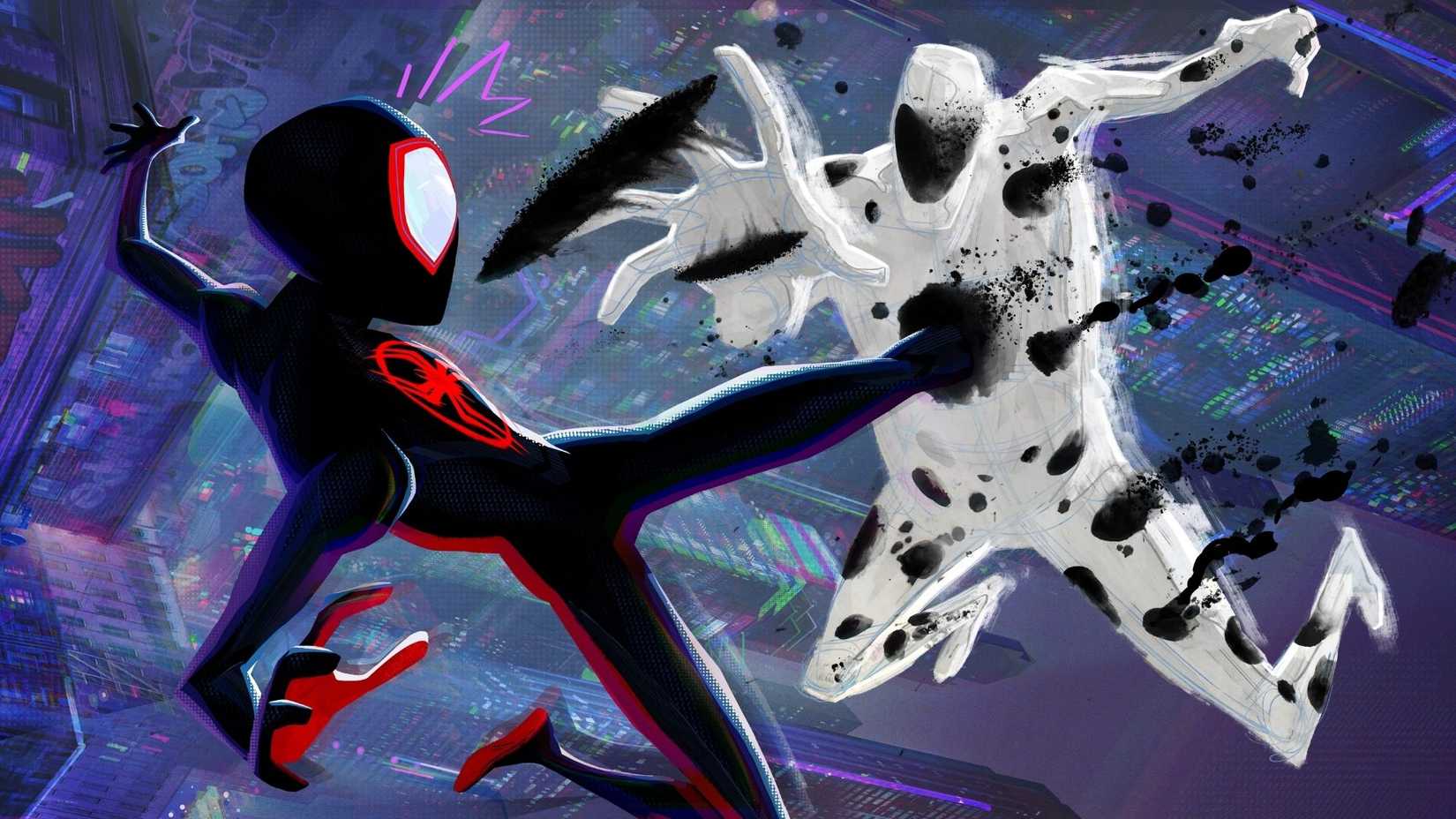
Into the Spider-Verse was just the first film in a trilogy, followed by Across the Spider-Verse and the upcoming Beyond the Spider-Verse. As much as Across the Spider-Verse continued to push animation forward in exciting ways, it deals with the curse of only being half of a story. If the second half loses viewers because it takes too long or doesn’t live up to expectations, it will reflect poorly on both movies.
However, Spider-Man: Into the Spider-Verse won’t have this issue, as it can effectively stand alone without either of the sequels. It really nails the comedy in a way the second one doesn’t always execute well.
Plus, Across the Spider-Verse is entertaining, but Into the Spider-Verse truly feels fresh and unique, making it nearly impossible to beat. On top of that, it really changed animation in a big way, and it gave us a banger soundtrack. Ultimately, Into the Spider-Verse is bound to be a classic, whereas that isn’t a given with Across the Spider-Verse.
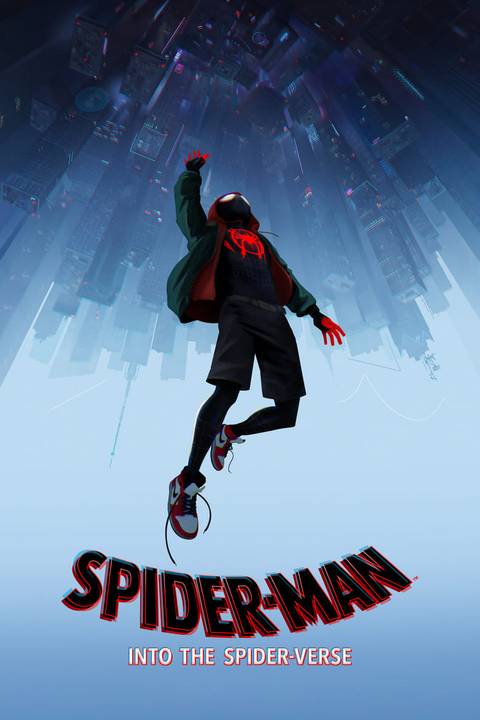
Release Date December 6, 2018
Runtime 117 minutes
Director Bob Persichetti, Peter Ramsey, Rodney Rothman
Writers Phil Lord, Rodney Rothman
-

Shameik Moore
Peter B. Parker (voice)
-




 English (US) ·