.png)


Published Jan 27, 2026, 11:31 AM EST
Angel Shaw is a Lead Writer and Peer Mentor on ScreenRant's New TV team, covering new-release TV shows across all major streaming platforms. She has been a writer with ScreenRant since 2022 and specializes in Harry Potter, The Lord of the Rings, and fantasy.
Angel holds a bachelor's degree in language interpreting and is passionate about all things culture and communication—especially in how it relates to popular media throughout history (from Shakespeare to Friends to Game of Thrones).
A Knight of the Seven Kingdoms has provided exactly the reboot that the Game of Thrones franchise needed. The new series is based on George R.R. Martin's Tales of Dunk and Egg novellas, set about 100 years before the events of A Game of Thrones. As a somewhat lesser-known series within Martin's A Song of Ice and Fire, Dunk and Egg's adaptation wasn't as highly anticipated as other spinoffs. However, A Knight of the Seven Kingdoms has proven itself as something pretty spectacular.
Martin's Tales of Dunk and Egg novellas follow Ser Duncan the Tall and his squire, Egg, through a variety of smaller-scale adventures, beginning with The Hedge Knight. This story sees Dunk begin to establish himself as a knight at the Tournament at Ashford Meadow, and it's this that is being adapted for A Knight of the Seven Kingdoms season 1.
Those who are used to Game of Thrones and House of the Dragon may be a bit surprised at the tone and content of this newest installment in the franchise. A Knight of the Seven Kingdoms is simple, lighthearted, and rather quaint, drastically different from its franchise predecessors. Still, in many ways, this newest TV show is more in keeping with Martin's overarching book series.
A Knight Of The Seven Kingdoms Feels Like A Song Of Ice And Fire
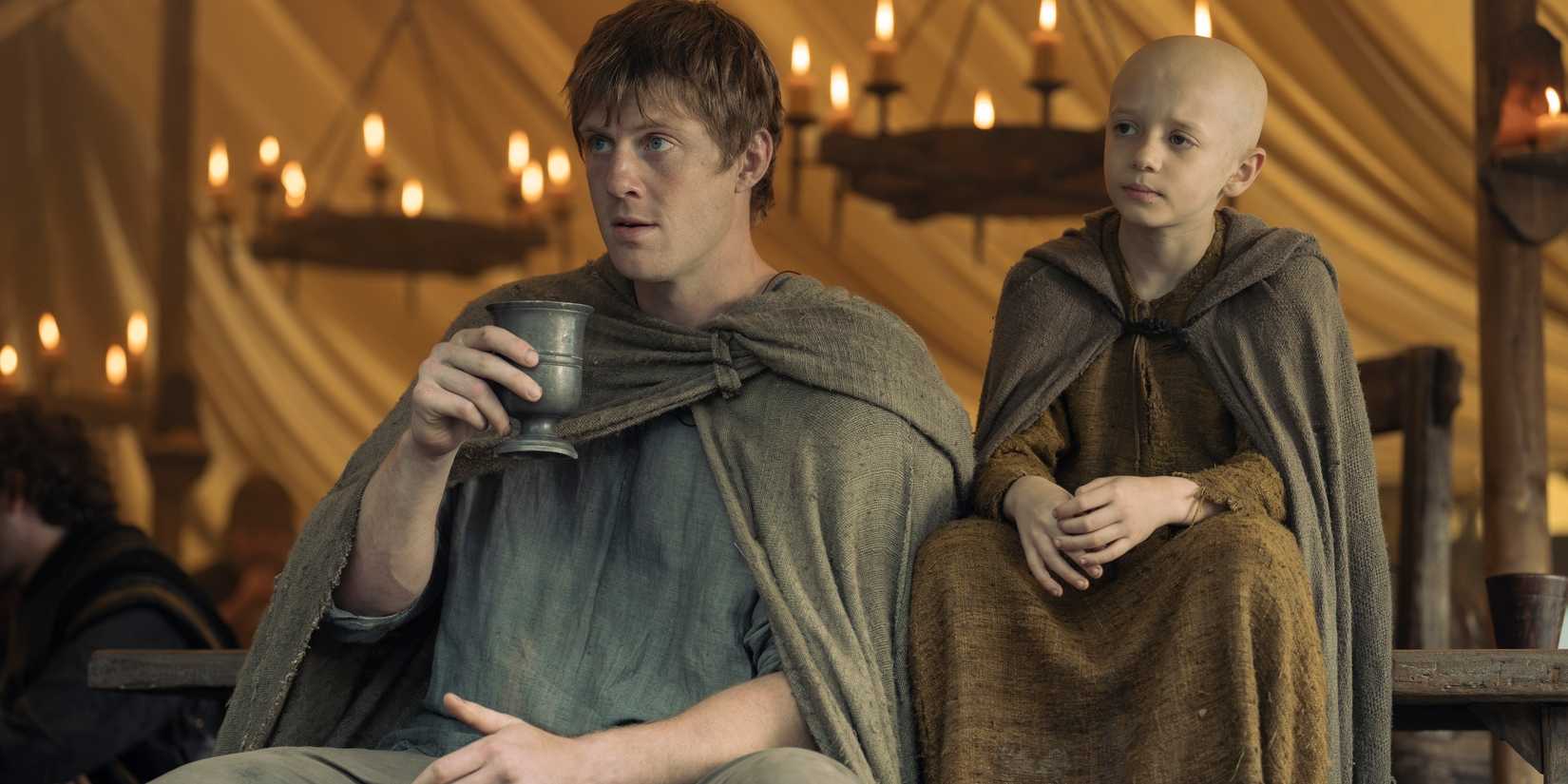
Though Martin's Tales of Dunk and Egg are indeed simpler than his other A Song of Ice and Fire books, the overall tone and feel of these works is consistent. While HBO's Game of Thrones is all intensity and drama, the books are introspective, character-driven, meaningfully political, comical, and subtly hopeful. A Knight of the Seven Kingdoms has recaptured that approach.
The vast majority of A Song of Ice and Fire is inner dialogue, and though it's tricky to bring this sort of thing to the screen, it's not impossible. Game of Thrones didn't make much of an effort in this regard. A Knight of the Seven Kingdoms, on the other hand, uses a variety of flashbacks and voice-over narrations to communicate what's happening in Dunk's head.
This alone drastically shifts the tone of Dunk's story compared to the rest of Game of Thrones. As an audience, we become more involved in Dunk's decision-making and emotions. In just two episodes, we know this character more intimately than many others within the franchise. It's a refreshing change—a necessary return to the tone that first made us so enthralled with Game of Thrones.
Game Of Thrones Ditched The Tone Of The Books Too Early
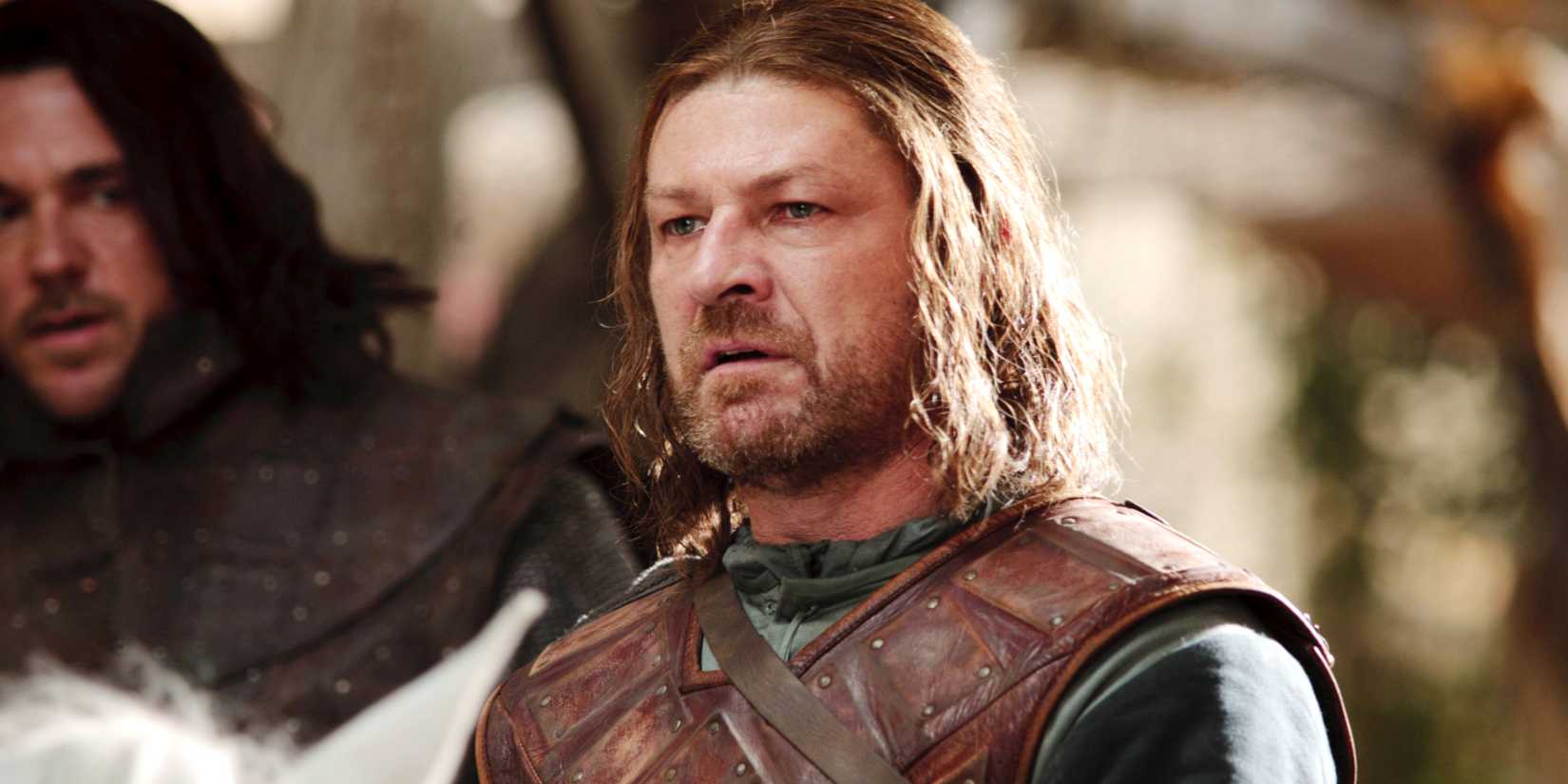
Game of Thrones wasn't always so drastically different from Martin's A Song of Ice and Fire. While the experience was never quite as spot on as A Knight of the Seven Kingdoms, Game of Thrones season 1 allowed us to get much closer to the characters in more meaningful ways. Ned Stark is a prime example.
Those first Game of Thrones episodes were set up like a whodunit, with Ned cast as the detective trying to uncover the truth behind Jon Arryn's death. We always knew what was happening in his head, all the while the show would provide playful peeks into the plans and intentions of others. Once Ned died, however, and Game of Thrones' focus became divided among so many other characters, this approach faded away.
While we could blame this change on the fact that Game of Thrones caught up to the source material and had no choice but to forge its own path, the ditched tone happened long before. The truth is that Game of Thrones got really big, really quickly, and HBO went all in on the fan service.
How Game Of Thrones Became Bigger Than The Source Material

A Song of Ice and Fire is brutal and explicit. Game of Thrones brought that to the screen, and viewers understandably ate it up. The show got absolutely massive, establishing itself as a cultural phenomenon right out the gate. It didn't take long for HBO to figure out what audiences wanted to see, and Game of Thrones gradually shifted away from book accuracy, leaning heavily on superficial brutality and political manipulation, leaving behind the additional nuance that balanced out Martin's series.
This only got worse when Game of Thrones caught up with Martin's A Song of Ice and Fire story. The show had already deviated from the source, and that shift proved successful. So, as Game of Thrones season 6 picked up where Martin left off, it continued that crowd-pleasing trajectory.
The problem is that simply providing viewers with the loud spectacle they had so enjoyed in previous seasons wasn't enough to carry the story forward in a cohesive way. Game of Thrones no longer felt anything like Martin's books, and the ending suffered for it.
A Knight Of The Seven Kingdoms Is What Future GOT Shows Should Be Like

As big as Game of Thrones was up to its ending, the on-screen franchise has pretty consistently stood at the center of controversy since. House of the Dragon is a fun ride, but it can hardly be considered A Song of Ice and Fire canon at this point. This fact has inspired concern as HBO lines up several more spinoffs. However, A Knight of the Seven Kingdoms has shown us that there is still hope.
|
Title |
Status |
|
Aegon's Conquest |
In Development, Confirmed |
|
The Golden Empire |
In Development, Unconfirmed |
|
The Sea Snake |
In Development, Unconfirmed |
|
10,000 Ships |
In Development, Unconfirmed |
If future Game of Thrones shows or movies take A Knight of the Seven Kingdoms' tonal approach, the franchise as a whole should shift back into a place. This most recent spinoff, with Martin's help and guidance, has effectively hit the reset button. Now, the Game of Thrones franchise just has to keep the ball rolling.
-
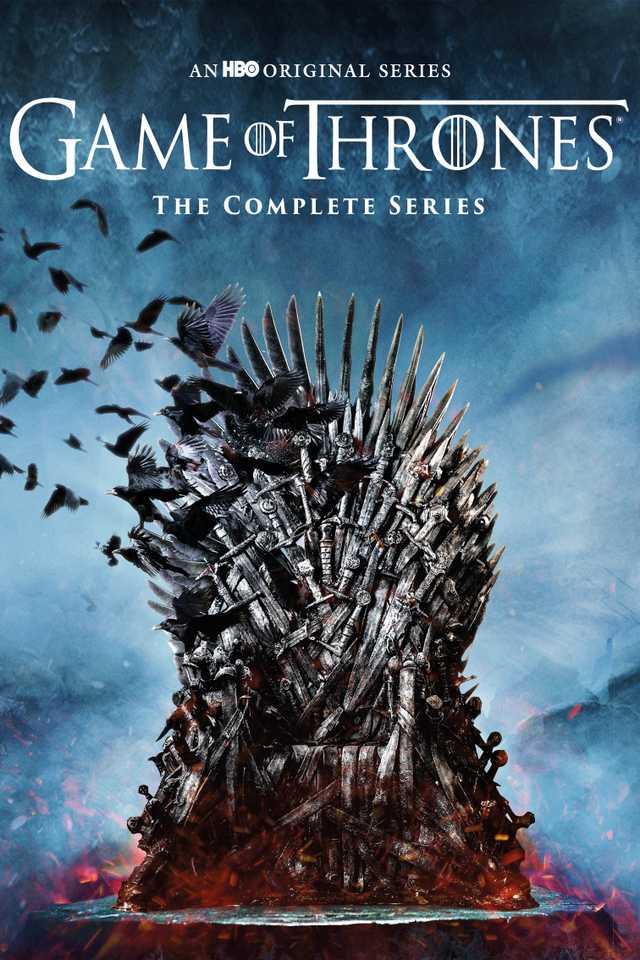
Game Of Thrones

10/10
Release Date 2011 - 2019-00-00
Showrunner David Benioff, D.B. Weiss
-

-

Isaac Hempstead Wright
Brandon Bran Stark
-



 English (US) ·