.png)
 Image via Apple TV

Published Jan 25, 2026, 12:11 PM EST
Kelcie Mattson is a Senior Features author at Collider. Based in the Midwest, she also contributes Lists, reviews, and television recaps. A lifelong fan of niche sci-fi, epic fantasy, Final Girl horror, elaborate action, and witty detective fiction, becoming a pop culture devotee was inevitable once the Disney Renaissance, Turner Classic Movies, BBC period dramas, and her local library piqued her imagination.
Rarely seen without a book in one hand and a cup of coffee in the other, Kelcie explores media history (especially older, foreign, and independent films) as much as possible. In her spare time, she enjoys RPG video games, amateur photography, nerding out over music, and attending fan conventions with her Trekkie family.
Since its debut in late 2025, Pluribus has smashed records to become Apple TV's biggest original success to date. Streaming television options are more prolific than ever, yet creator Vince Gilligan's convention-defying sci-fi dystopia has sliced through the noise and remained relevant months after the series' premiere also made Apple TV ratings history. When it comes to older, groundwork-paving series that mastered Pluribus' same recipe of surreal, opaque, and intriguingly philosophical, few have done it better than The Prisoner. Fast-paced for its time, the revolutionary '60s cult classic now plays out like a meditative psychological thriller that nevertheless retains its disorienting atmosphere and resonant themes. Like Pluribus, The Prisoner defies easy genre classification, audaciously tackles a host of social plights, and spins an engaging yarn about defying one's oppressors at all costs.
What Is 'The Prisoner' About?
 Image via Channel 3
The same day a nameless, high-ranking intelligence agent (Patrick McGoohan) resigns from his job in a fit of indignant fury, unknown forces abduct and imprison him inside the Village, a mini-surveillance state masquerading as a picturesque seaside community. Inside the Village's invisible walls, privacy, agency, and independent thought are lost causes, escape attempts come with a death sentence, and everyone's unique names — from the undercover guards to the innocuous residents indoctrinated into submission — have been replaced with an assigned number. It's the latter dehumanizing indignity that prompts McGoohan's protagonist, designated as Number Six, to vehemently protest, "I am not a number. I am a free man."
Isolated yet surrounded by enemies, Number Six refuses to surrender his moral dignity, let alone the information his Machiavellian kidnappers seek. They launch assault after assault upon his body and mind (emotional intimidation, physical torture, drug-induced coercion). Undeterred, Number Six matches their ceaseless barrage with his unyielding resistance, realized through fierce public challenges, covert investigations, and the ultimate retaliation: denying his enemies the satisfaction of seeing him break.
'Pluribus' and 'The Prisoner's Protagonists Fight Oppressive Systems
Sinister, cynical, and reality-warping in the best way, The Prisoner exists in conversation with Cold War-era counterculture. Number Six's anti-establishment stance symbolizes the debate between individualism and collectivism, deconstructs a government's responsibility to those it purports to serve, and the destructive repercussions of unchecked rule, whether that's imperfect democracy or flagrant authoritarianism. Number Six's one-man uprising can seem hopelessly futile, but his subversive endurance reflects his integrity — even though he fights to preserve his own freedom, not to rescue the entire Village. Once The Prisoner's 17 episodes conclude, however, a nagging question prevails: even before the Village interfered, was Number Six ever legitimately free?

Related
Similarly, Pluribus flourishes as an engaging tale with flexible themes applicable to a range of allegories, like colonialism, mass surveillance, and identity. An alien pathogen forcibly converts Earth's population into a singular global consciousness that erases individuals' identities alongside their free will. Carol Sturka (Rhea Seehorn), one of the only people immune to the viral invasion, strives to eradicate the Others' dominance. For most of the series, she stands alone against their blissfully contented conformity.
An argument can be made that Carol, like Number Six, has always been trapped. Concealing her sexuality has arguably made her romance novels more marketable, her career more profitable, and Carol herself inarguably bitter, depressed, and emotionally disconnected. Once her world metaphorically ends — her days reduced to a living nightmare, and her secrets exposed for all to know — she refuses to stand idle while the hive mind plans to violate her consent, and compromise her identity, on every level. Specifically, their determined efforts to undo her rare immunity, like it's a problem to solve, hit too traumatizingly close to home for a woman whose bigoted mother forced a teenage Carol into conversion therapy.
And while Carol is stubborn and outspoken by default, there's no denying that part of her passionate dissent derives from the virus' takeover killing her partner, Helen (Miriam Shor). Carol might acknowledge her foes' broader argument — returning the planet to its status quo will also restore humanity's cruelest, most destructive qualities – but she can't accept that symbiotic world peace justifies the horrific sacrifice.
'The Prisoner' and 'Pluribus' Value Identity and Free Will
Neither Pluribus nor The Prisoner clarifies every single mystery. Concise answers aren't the point; audiences are meant to interpret the ideas for themselves and sit with their discomfort. Grounded sci-fi, paranoid thriller, psychedelic experiment, politically provocative — each series is all those things plus whatever perspective each viewer brings to the table. What's explicit about both enigmatic, open-to-interpretation series is the fact that each stands as a clarion call to rebel against subjugation and protect our fragile autonomy to the bitter end.
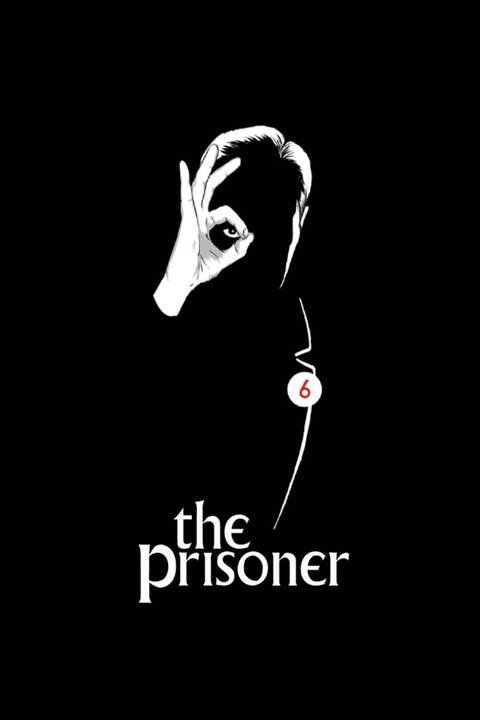
The Prisoner
Release Date 1967 - 1968-00-00
Network ITV1
Directors Don Chaffey, Pat Jackson, Peter Graham Scott
Writers George Markstein, Anthony Skene, Terence Feely, Vincent Tilsley, Ian Rakoff
-

-
Arthur Gross
Control Room Operator
-
Barbara Yu Ling
Taxi driver
-
Bartlett Mullins
Committee Chairman


 English (US) ·