.png)
 1 week ago
25
1 week ago
25
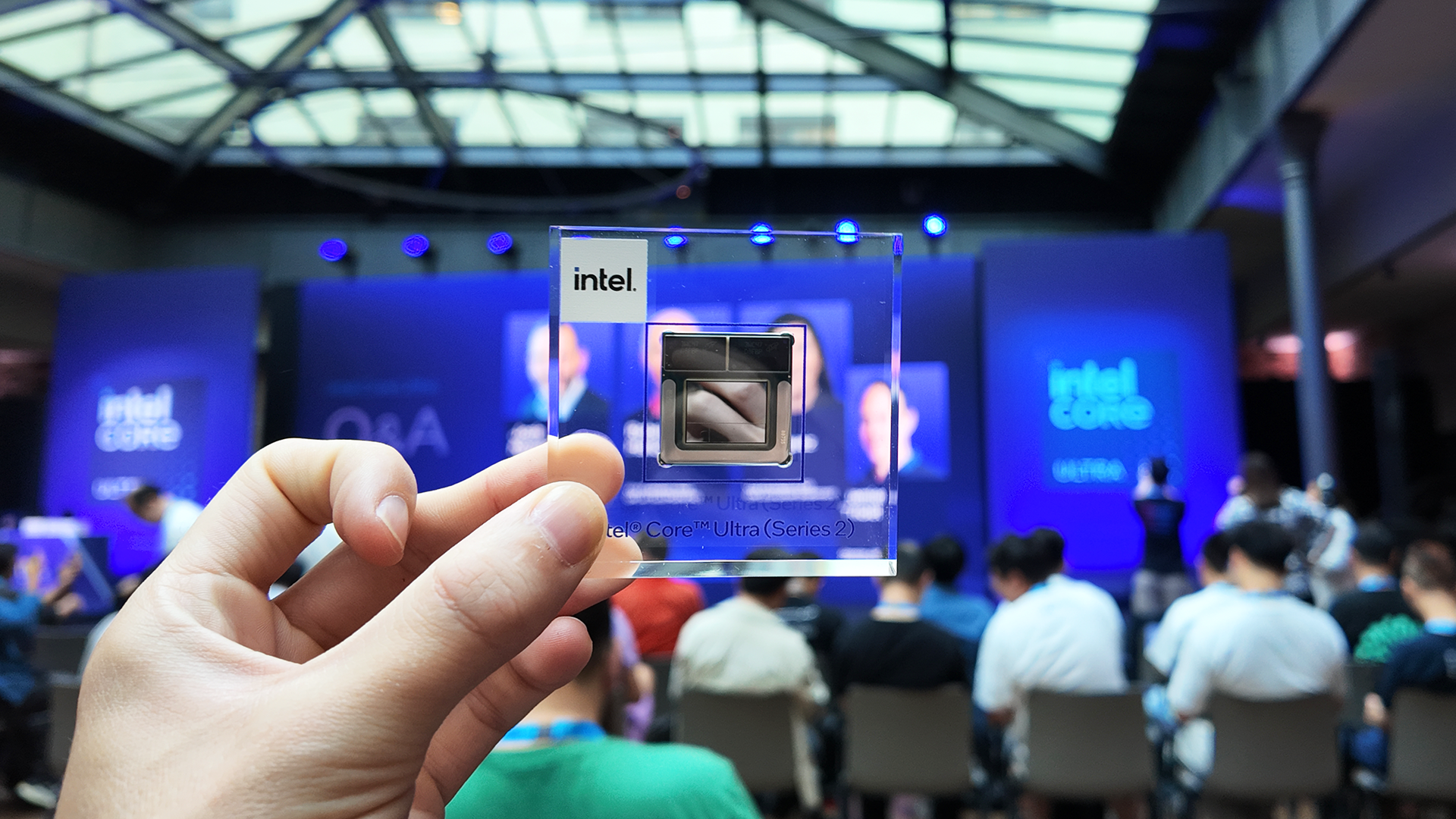
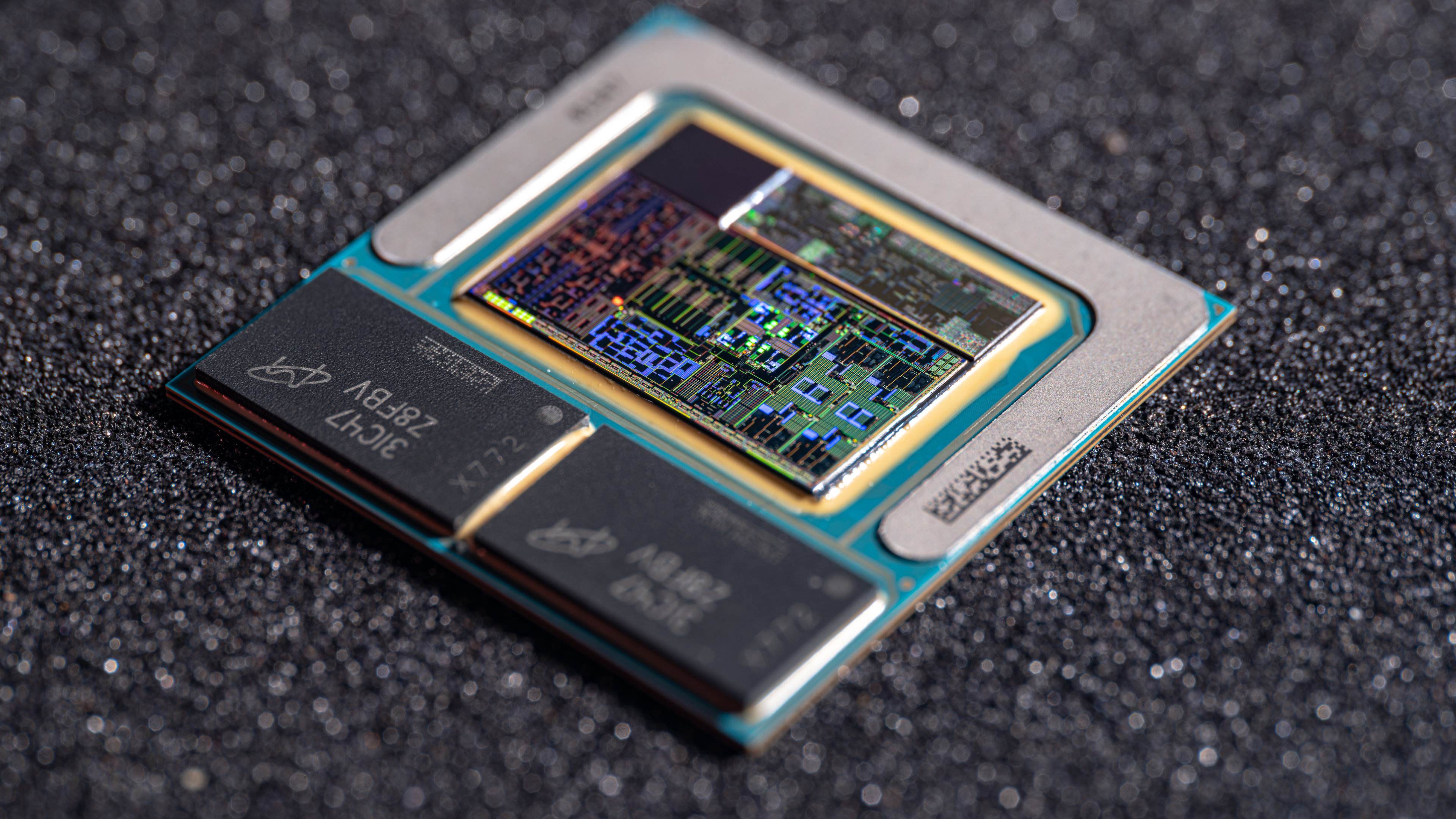
Intel says it has enough memory stockpiled to continue to sell Lunar Lake to plan. According to CFO, David Zinsner, the company has dodged the worst of the ongoing memory crisis by being "relatively aggressive" in securing memory for the mobile chip.
"I think we've got what we need based on the current forecast," Zinsner says. "Of course, that could always tick up, and then we would need more memory which would kind of impact gross margins. But we were relatively aggressive in terms of getting the memory early" (transcript via SeekingAlpha).
Intel dodged a bullet there. Some may have forecasted for fluctuations in memory price, but I doubt anyone understood quite how bad things would get today. Memory shortages are expected to last throughout the year and have left many manufacturers in a desperate scramble to secure more, even at heavily inflated prices.
The Core Ultra Series 2 is soon to be replaced by the Core Ultra Series 3, Panther Lake, which does not feature on-package memory. Intel can rest easy knowing it no longer has to source the memory itself, though it will still be affected by the ongoing crisis.
Someone has to pay for the memory, be it Intel or its partners, and those increases often make their way into the final price tag paid by consumers, like us. So, if we're not buying as many laptops or systems because they're too expensive, manufacturers aren't buying as many chips from Intel, and Intel's still out of pocket. As such, research firm IDC is expecting an "extremely volatile" year ahead for PC sales.







 English (US) ·