.png)

Published Jan 31, 2026, 1:23 PM EST
Craig began contributing to Screen Rant in 2016 and has been ranting ever since, mostly to himself in a darkened room. After previously writing for various outlets, Craig's focus turned to TV and film, where a steady upbringing of science fiction and comic books finally became useful. Craig has previously been published by sites such as Den of Geek.
Craig is an approved critic on Rotten Tomatoes.
It's not without good reason that the words "season 2" are so often dreaded in the world of TV. With tighter deadlines and higher expectations, writers who had ample time and space to hone their debut seasons suddenly find themselves under pressure to deliver something even better much faster.
By their very nature, second seasons also pose a narrative catch-22. Wrap up your biggest storylines and character arcs in season 1, and you'll struggle to find interesting new angles for the follow-up. Conversely, use season 1 to carefully set up juicy mysteries, and you'll leave season 2 with the burden of paying everything off in a way that keeps viewers happy.
Even the most exciting shows with the most eagerly anticipated second seasons fall victim to such traps, and a high-profile 2010s sci-fi release knows that all too well.
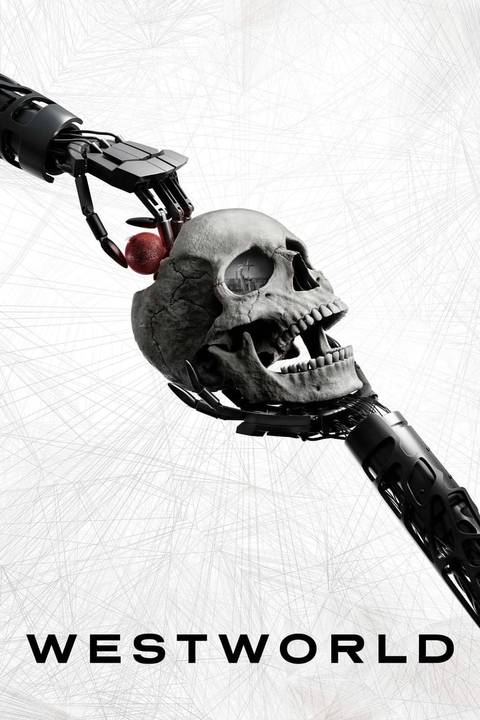
Westworld Season 1 Lived Up To Major Hype

With a cast worthy of a blockbuster movie, an attractive western-meets-the-future aesthetic, and a truck-load of promise, Westworld was the buzziest show of 2016. Somewhat surprisingly, Westworld's first season lived up to those expectations.
Anchored by excellent performances from Anthony Hopkins, Evan Rachel Wood, and Ed Harris, Westworld kicked off its run with style and substance. The immaculate western landscape contrasting poetically with the clinical behind-the-scenes labs, the seemingly innocuous nonsense spouted by the performing androids, the modern chart-toppers transposed into ragtime piano tunes - everything in Westworld had a deeper meaning (or at least felt like it did).
It was a season designed to inspire theories, prompt difficult questions, and deliver twists and turns aplenty. The story was genuinely clever with its dual timelines, hidden hosts, and buried secrets. Westworld's first 10 episodes were complicated, make no mistake, but they were follow-able for anyone willing to immerse themselves.
That would have counted for nothing if Westworld didn't also craft characters worth caring about, but that box was ticked also. Whether human or host, most of Westworld's inhabitants occupied an enigmatic moral gray area where their motives were never entirely clear - Ford, Dolores, the Man in Black, etc. But the likes of James Marsden's Teddy, Thandiwe Newton's Maeve, and Jeffrey Wright's Bernard gave Westworld true protagonists worth rooting for, bringing meaning to the mechanical madness.
Westworld Went Wrong In Season 2

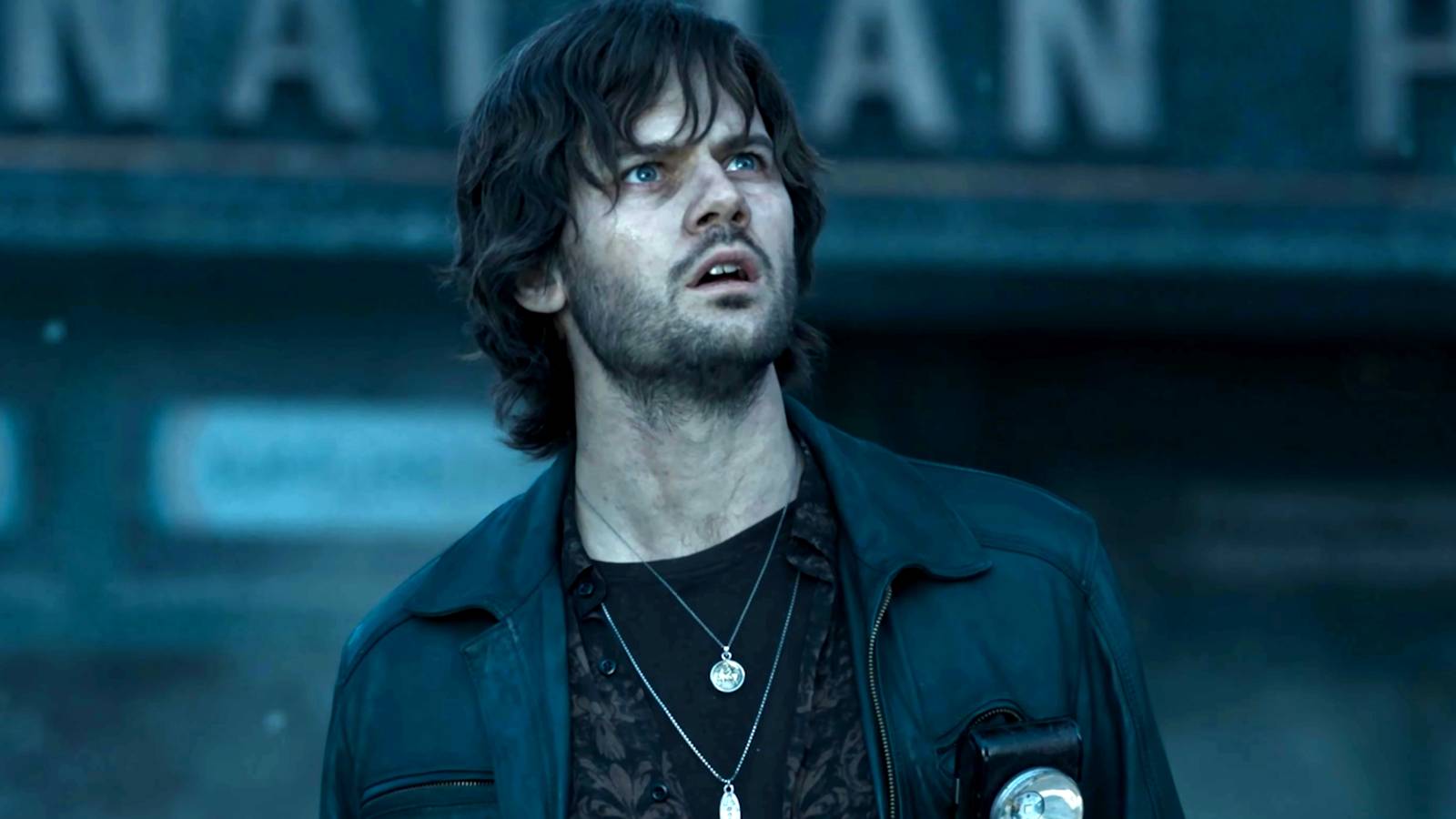
The world may not have thought so at the time, but Westworld's original batch of mysteries in season 1 were relatively straightforward. The biggest of them, the Maze, turned out to be Arnold's way of allowing the hosts to attain full sentience. The major timeline trick was Jimmi Simpson playing a younger version of Ed Harris' character, cleaving the season's events in two. So far, so good.
Westworld season 2 went bigger, but lost control of its narrative as a consequence. Mysteries were layered upon mysteries, and the sheer number of ominous-sounding unexplained names in season 2 exemplified the problem: the Forge, the Door, the Sublime, the Valley Beyond... At a certain point, it started to feel like Westworld was being enigmatic for the sake of being enigmatic. Even the simplest detail had to be turned into the latest mystery box.
That philosophy carried into Westworld season 2's timelines. Again, if the first season's split narrative felt like a challenge, season 2's many timelines almost felt purposefully obtuse. It's perhaps telling that co-showrunner Jonathan Nolan once mentioned altering a twist in Westworld's second season after a fan on Reddit posted a correct theory. Taking such drastic measures suggests Westworld was guilty of prioritizing the element of surprise over effective storytelling, and that showed in the finished product.
As another example of Westworld's mystery-first approach in season 2, the very final season featured Ed Harris' Man in Black undergoing a fidelity test in the lab beneath WestWorld. Despite the show running for another two seasons, this scene never received a proper explanation, and now feels like a detail added solely for impact without any clear purpose or direction.
Westworld Improved In Seasons 3 & 4, But Never Truly Recovered

Westworld used season 3 to address some points of contention. Moving beyond the main park and introducing Aaron Paul's Caleb served the series well, and while the narrative was still devilishly complicated, it at least felt like Westworld had a cohesive path in mind and had stopped trying to be unguessable. Finally, audiences were beginning to see the bigger picture emerging in terms of hosts, humans, and what their future might look like.
At the same time, the switch from "Westworld" to "Futureworld" made for a jarring shift that didn't exactly welcome the viewer back with open arms after a mentally taxing second season. Season 4 continued in that vein, arguably becoming the show's best run since 2016 as it raced toward the inevitable apocalyptic outcome, but by then it was too late.
Westworld's status as must-see TV vanished, ultimately leading towards a premature cancellation after season 4, and leaving the story on an almighty cliffhanger that'll likely never be resolved. It's hard not to think that Westworld's inability to match that epic breakout season was the root cause of its gradual fall from grace.
Release Date 2016 - 2022
Network HBO
Showrunner Jonathan Nolan, Lisa Joy
Directors Fred Toye, Jennifer Getzinger, Stephen Williams, Vincenzo Natali, Craig William Macneill, Anna Foerster, Craig Zobel, Hanelle M. Culpepper, Helen Shaver, Jonny Campbell, Michelle MacLaren, Neil Marshall, Nicole Kassell, Tarik Saleh, Uta Briesewitz, Lisa Joy, Meera Menon
Writers Roberto Patino, Carly Wray, Ron Fitzgerald, Daniel T. Thomsen, Karrie Crouse, Wes Humphrey

 English (US) ·