.png)
 1 week ago
42
1 week ago
42
There’s quiet photography—and then there’s Arno Rafael Minkkinen quiet. The kind that doesn’t shout for attention, doesn’t chase trends, and definitely doesn’t age. Born in Helsinki in 1945 and later immigrating to the United States after World War II, Arno Rafael Minkkinen has spent more than five decades doing one thing with monk-like focus: placing his own body into the landscape and letting nature finish the sentence.
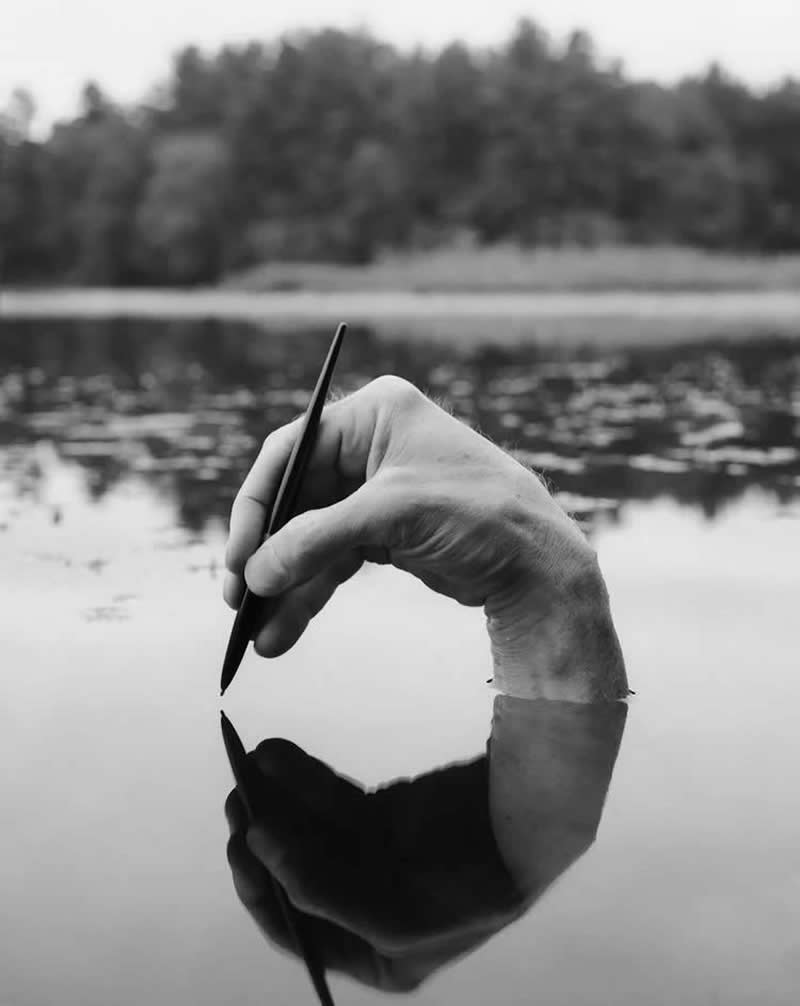
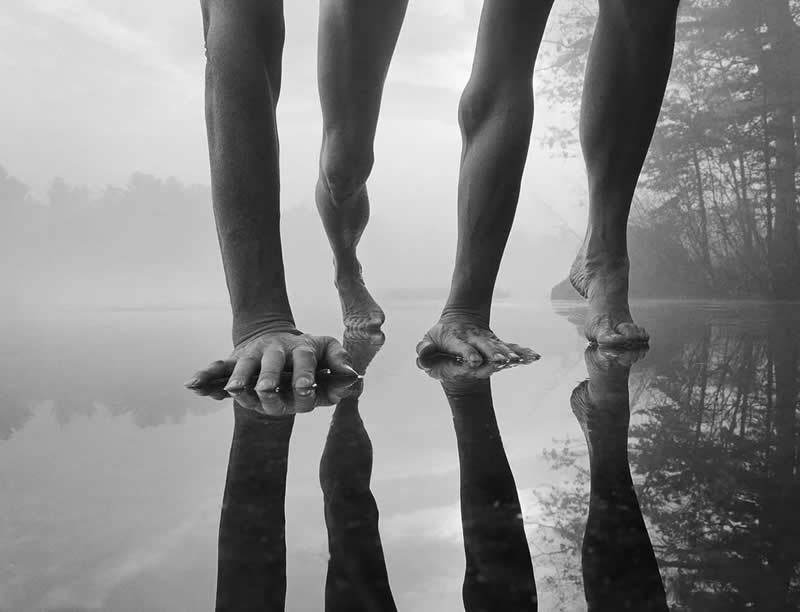
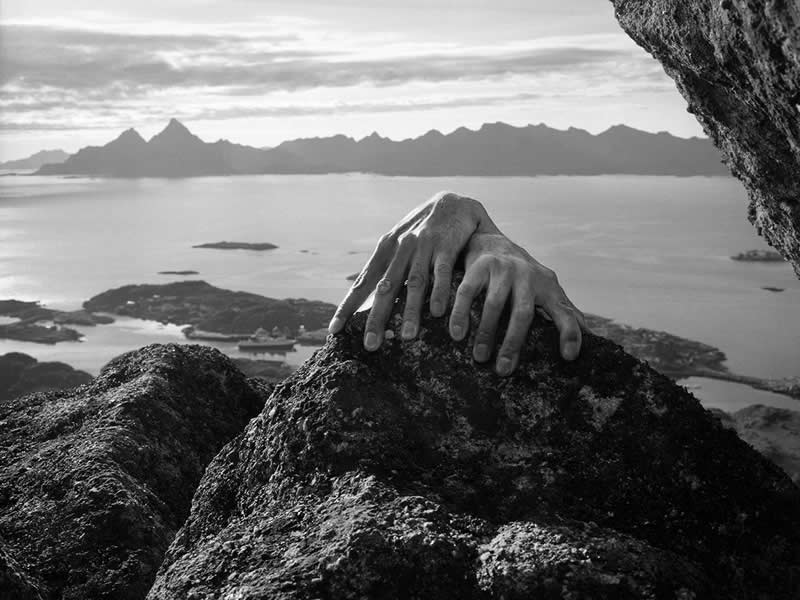
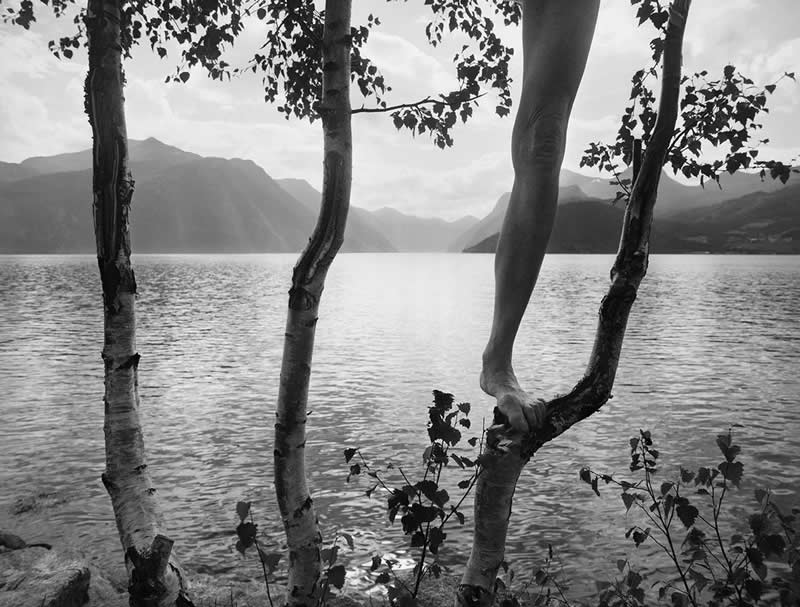
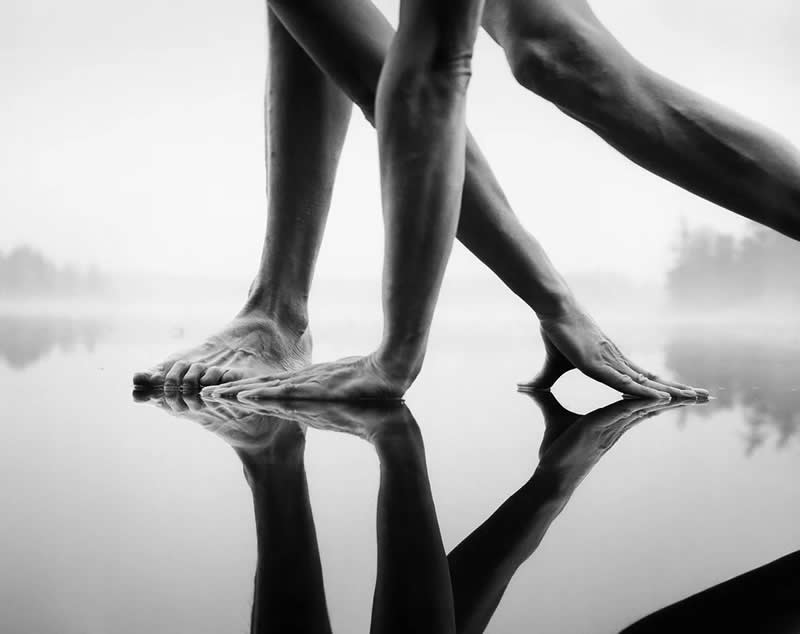
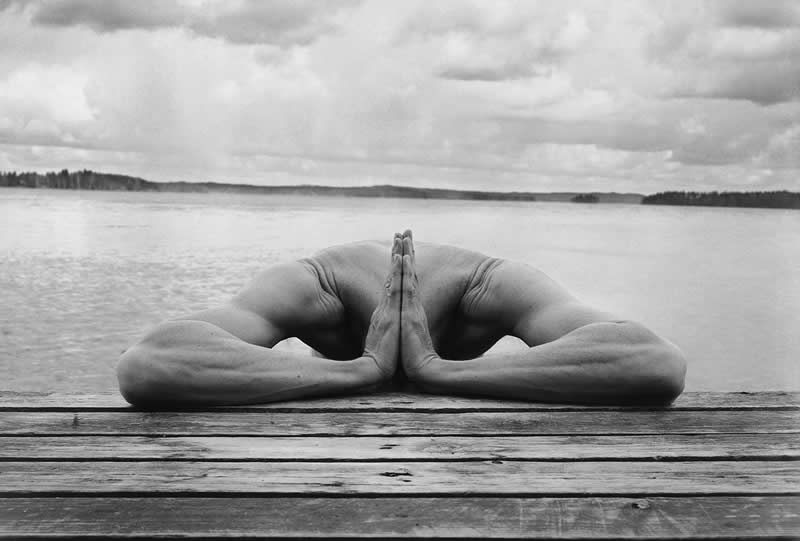
These aren’t selfies. They’re not performance art either. They live in that rare middle space where the human form feels less like a subject and more like a geological feature—an arm echoing a tree branch, a leg becoming a horizon line, skin reading like stone under cold northern light. Shot entirely in black and white, his images feel timeless because they refuse to anchor themselves to fashion, technology, or era. Minkkinen famously said, “There is no age to the picture when it is just the landscape and the body,” and he meant it.
Long before self-portraiture became a genre obsessed with identity and ego, Minkkinen was already stripping himself down—literally and conceptually. No manipulation. No stand-ins. No tricks. Just a body, a place, and the risk of stepping into both fully present. Influenced by mentors like Harry Callahan and Aaron Siskind, and shaped by a background that spans literature, advertising, and academia, Minkkinen’s work reads like visual poetry. Still. Flat. Luminous. Eternal. Magical.
This collection of 25 photographs isn’t about spectacle. It’s about presence—and once you slow down enough to see it, it stays with you.
You can find Arno Rafael Minkkinen on the Web:
#1
#2
#3
#4

#5

Where Self-Portraiture Stops and Landscape Begins
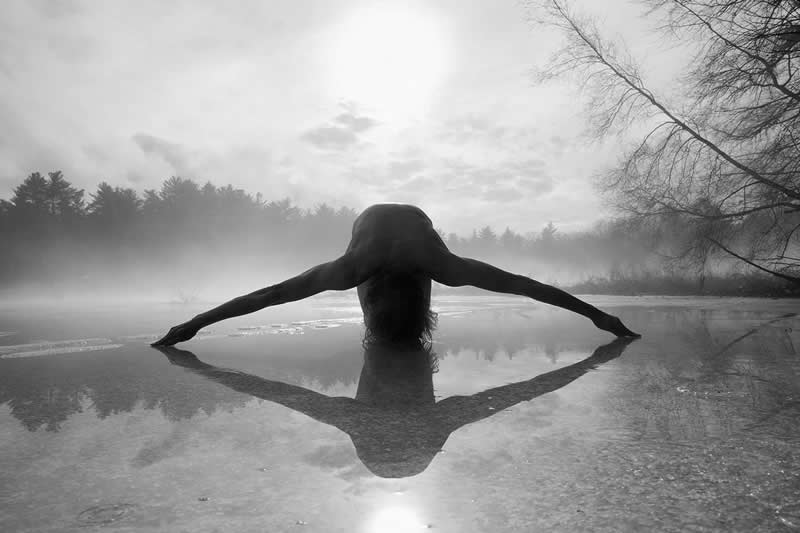
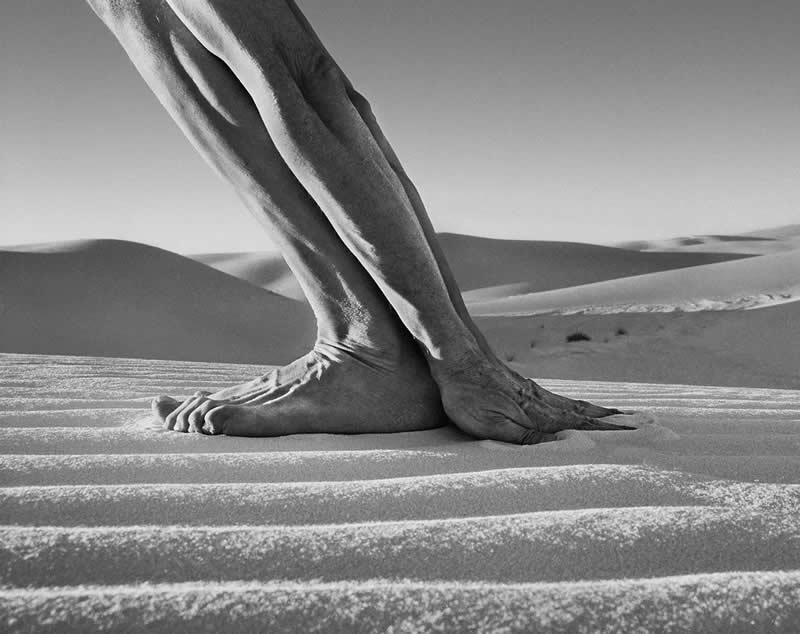
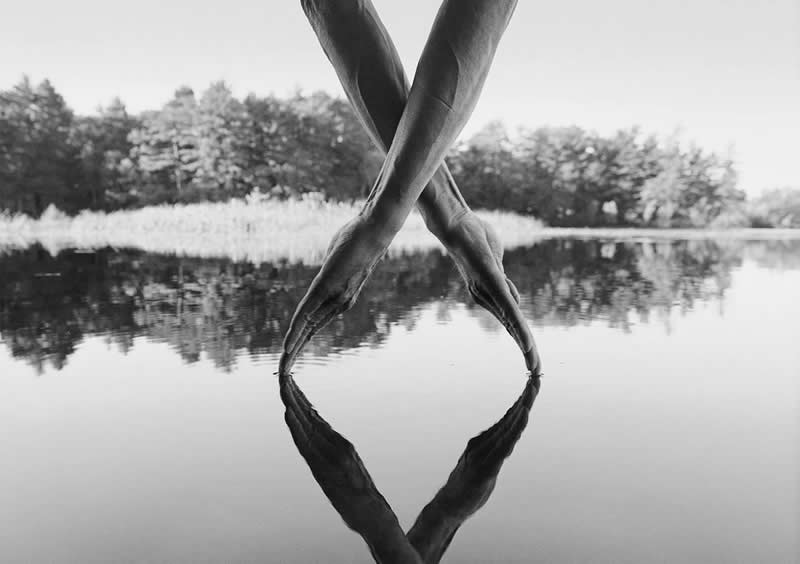
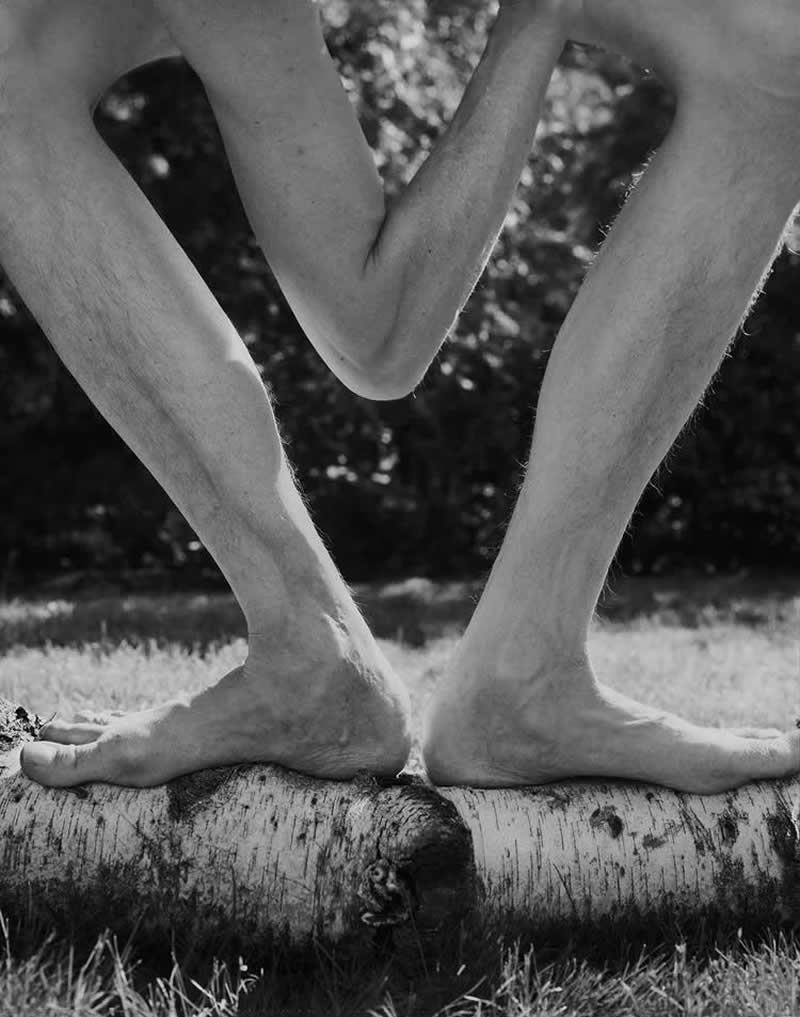
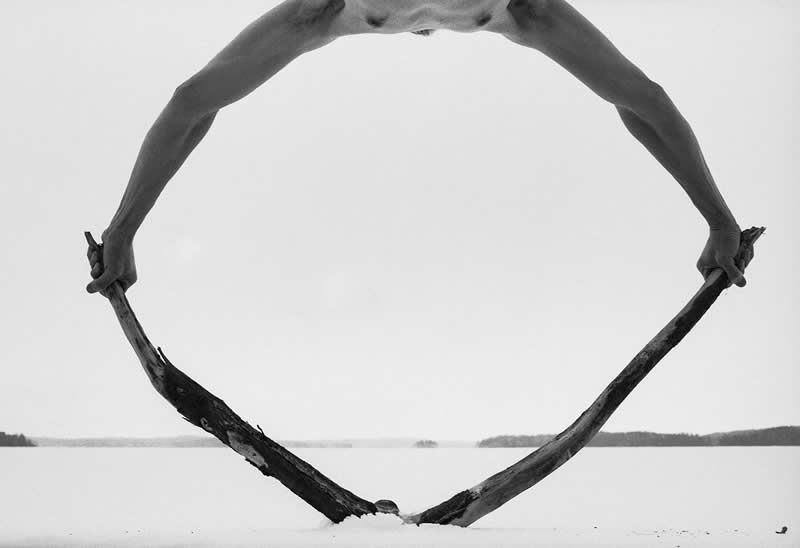
Minkkinen’s genius lives in the gray area—right where self-portraiture quietly dissolves into landscape photography. His body isn’t the star of the frame; it’s a shape, a line, a punctuation mark inside nature’s sentence. An outstretched arm mirrors a river bend. A foot disappears into snow like it was always meant to be there. The human form becomes visual rhythm, not identity.
What makes this work hit so hard is restraint. There’s no manipulation, no compositing, no digital smoke and mirrors. What you see existed exactly that way in front of the lens. Minkkinen made a lifelong contract with himself: no substitutes, no clothing, no collaborators in the viewfinder. The risk is real, the cold is real, and the stillness is earned.
That commitment turns each photograph into a quiet act of trust—between artist and environment. The body doesn’t dominate the land or perform for it. It listens. And in doing so, these images land somewhere deeper than documentation. They feel elemental, like they’ve always existed and we’re just now noticing them.
#6
#7
#8
#9
#10
A Timeless, Surreal Visual Language
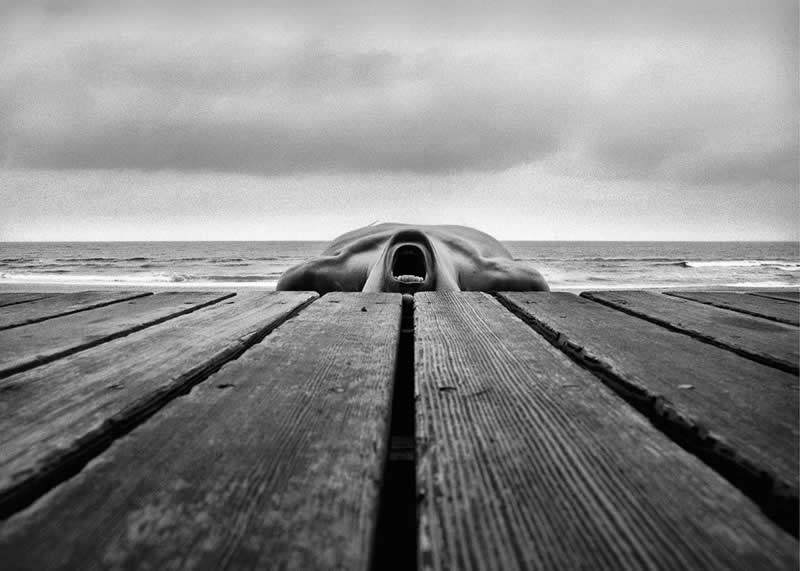
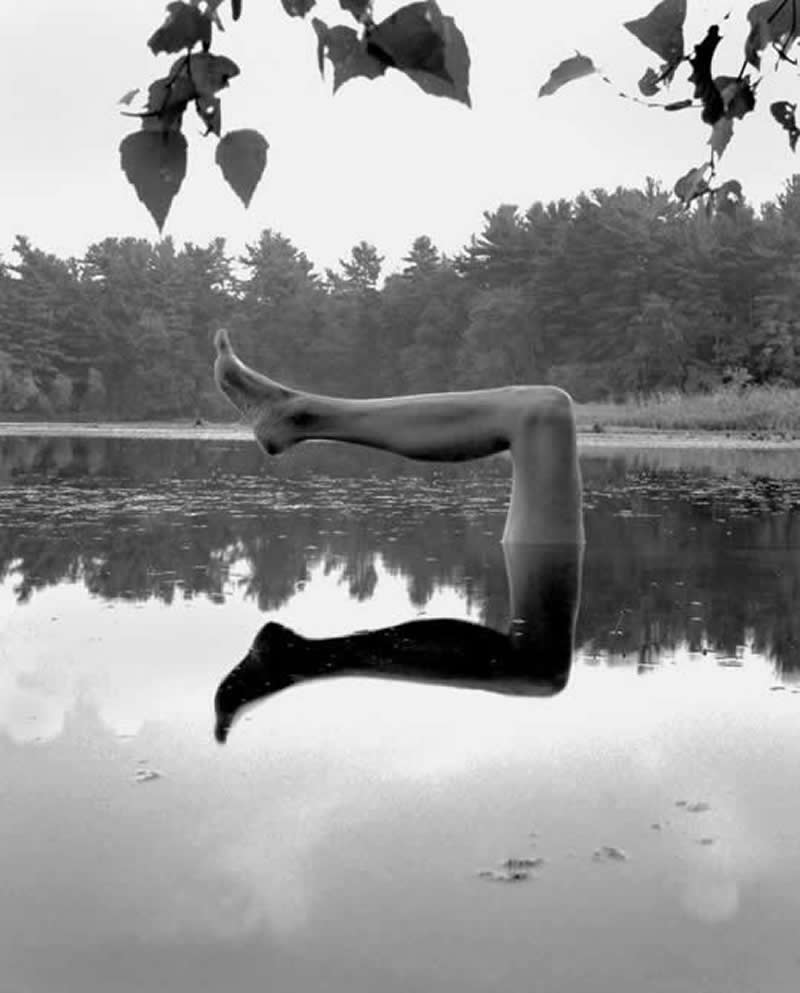
There’s something surreal about Minkkinen’s photographs, but it’s never forced. The dreamlike quality comes from how naturally everything fits together. His body doesn’t interrupt the landscape—it completes it. That’s why time feels irrelevant in these images. No clothes. No props. No cultural markers. Just form and light.
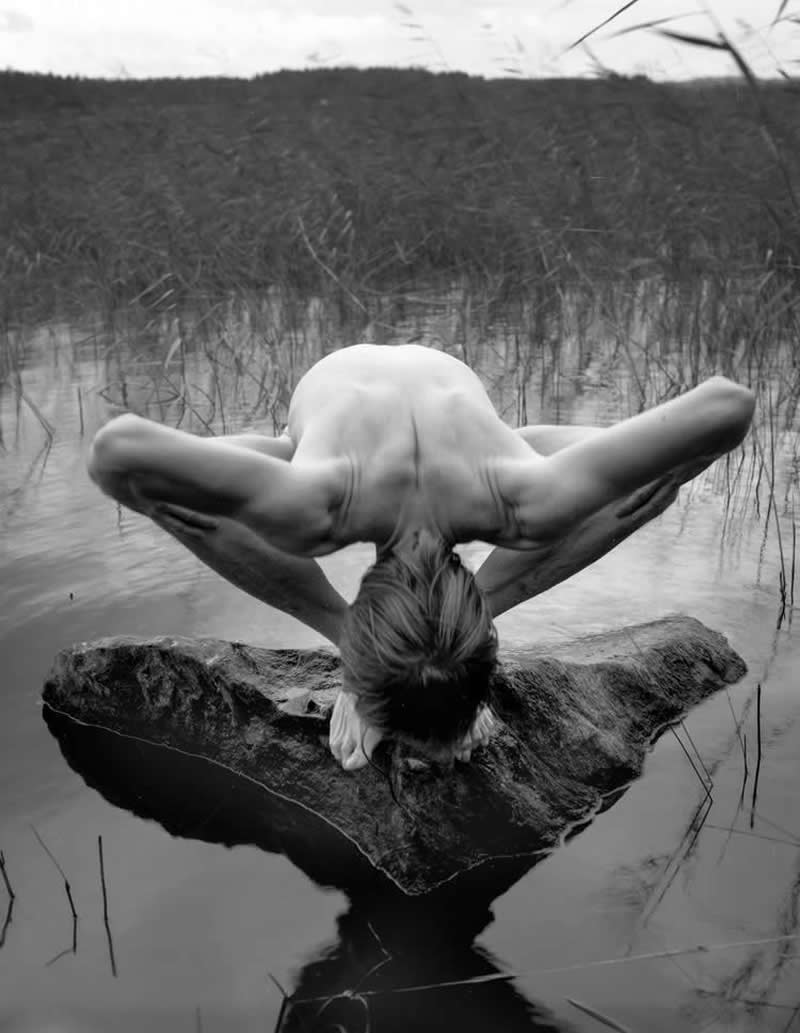
Black and white does the heavy lifting here. By stripping color away, Minkkinen flattens the world into shape, contrast, and luminosity. Snow becomes negative space. Water turns into texture. Skin reads like stone or bark. The photograph stops being about who is pictured and starts being about what is.
Minkkinen once wrote that photographs speak because the world is still, flat, luminous, eternal, and magical. You feel all five qualities at once in this work. Nothing moves, yet everything feels alive. The images don’t belong to the past—even those made in the 1970s feel like they could have been shot yesterday or fifty years from now. That’s the trick. Or rather, the discipline.
#11
#12
#13

#14

#15

One Concept, Five Decades, Zero Compromise
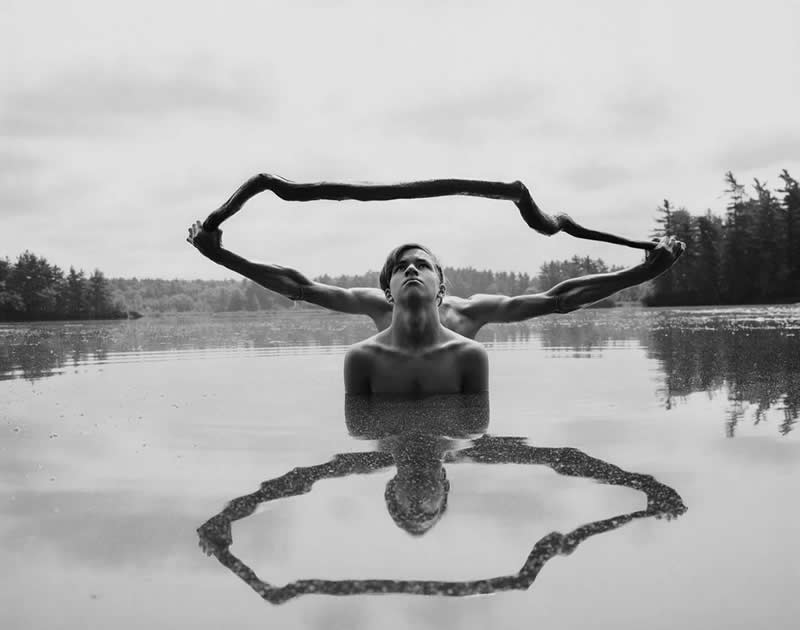
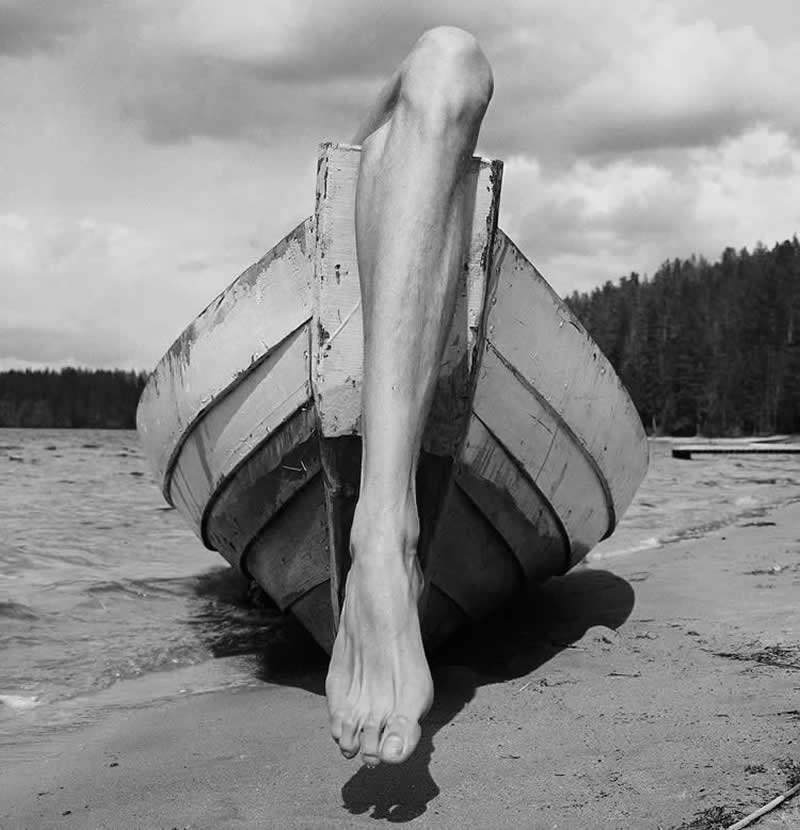
In an era obsessed with reinvention, Minkkinen did the opposite. Starting in 1969—long before self-portraiture became mainstream—he committed to a single idea and stayed loyal to it for over 50 years. Nude, unmanipulated self-portraits in communion and counterpoint with nature and urban space. Same rules. Same risk. New places.
That kind of consistency isn’t repetition—it’s refinement. Over time, the work deepens. Subtle changes in body, landscape, and light become part of the narrative. Age doesn’t weaken the images; it strengthens them. The body changes, but the concept holds.
This dedication has earned Minkkinen over 100 solo exhibitions, dozens in museum settings, and more than 200 group shows worldwide. He’s photographed in 30 countries and 30 U.S. states, yet the work never feels like travel photography. It feels like a long conversation with the world—one location at a time.
#16
#17
#18
#19

#20
Art as Risk Made Visible
At the core of Minkkinen’s practice is risk—not spectacle, but vulnerability. Standing naked in icy water. Balancing on rocks. Trusting the frame without a second set of eyes. His belief is simple: art is risk made visible. And you feel that truth in every photograph.
Guided by quotes from Brancusi and Braque, Minkkinen embraced limitation as freedom. No manipulation. No substitutes. No shortcuts. That refusal to interfere with reality is what gives the images their ethical weight. They’re honest. They’re earned.
Even his background—studying English literature, working as a Madison Avenue copywriter, then returning to art through RISD—feeds into this clarity of vision. These photographs don’t explain themselves. They don’t beg for interpretation. They simply exist, fully formed, inviting you to slow down and meet them where they are.
And once you do, they don’t let go.
#21

#22
#23
#24
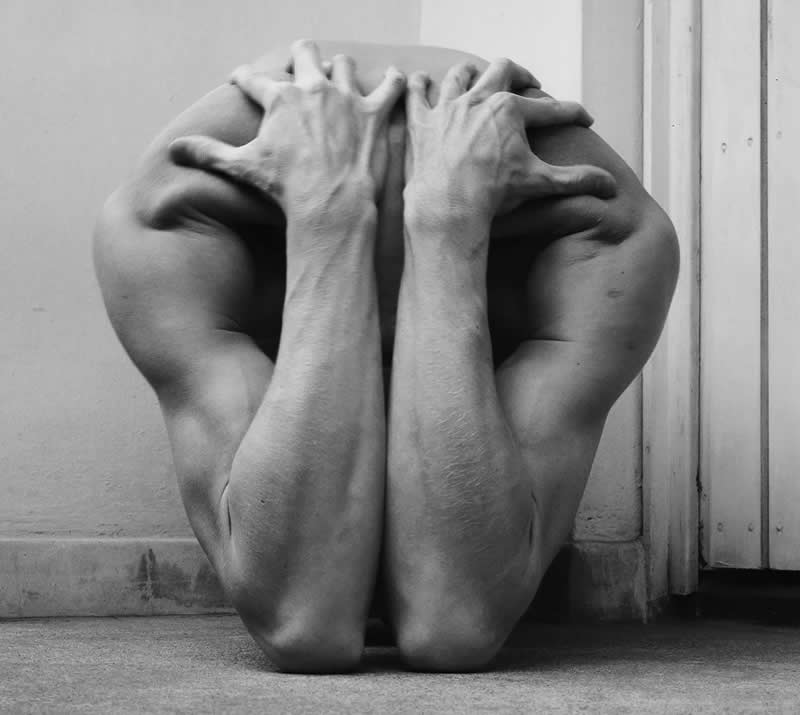
#25

In Summary
Who is Arno Rafael Minkkinen?
- A Finnish-American photographer known for black-and-white self-portraits that merge the human body with natural landscapes.
What is Minkkinen famous for?
- Unmanipulated nude self-portraits that blur the line between self-portraiture and landscape photography.
When did he begin this body of work?
- He started his lifelong self-portrait series in 1969.
Does Minkkinen use digital manipulation?
- No. His work is strictly unmanipulated and corresponds exactly to what was in front of the lens.
Why are his photographs considered timeless?
- Because they avoid cultural markers, trends, and technology—focusing only on body, light, and landscape.


 English (US) ·