.png)
 1 week ago
23
1 week ago
23
Born and based in Buenos Aires, Federico Borobio didn’t arrive at street photography by taking the straight road. He took the scenic route—lawyer, journalist, audiovisual producer, cultural manager, teacher—collecting lives the way some people collect stamps. That restless curiosity is the engine behind his images. For Borobio, the street isn’t just a backdrop; it’s a living jungle. A place where energy hums, stories collide, and light plays hardball with color and shadow.
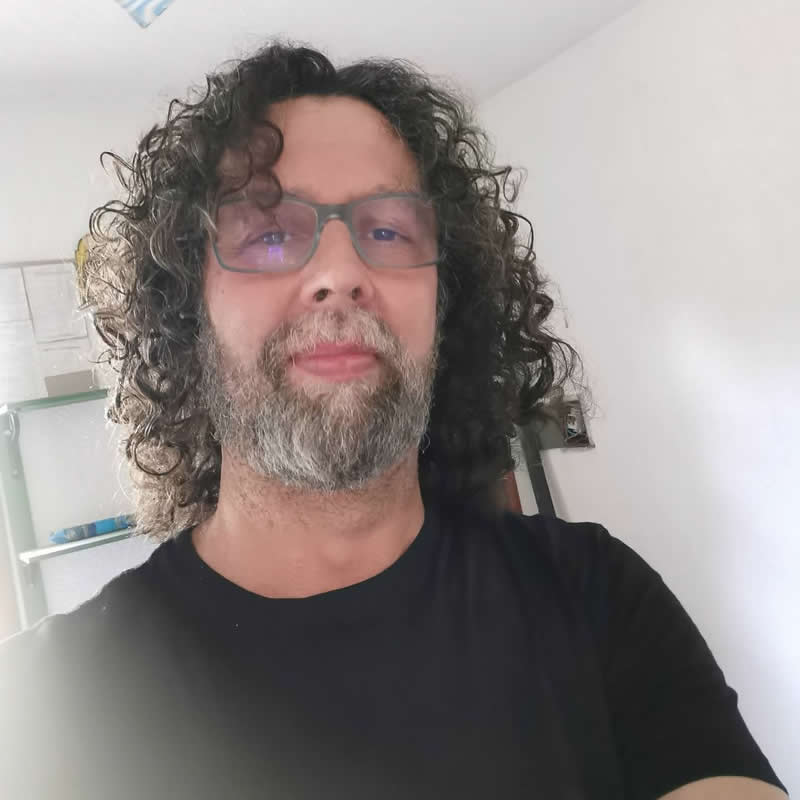
He walks. A lot. Ten kilometers deep into neighborhoods where history peels off the walls and progress hasn’t polished the soul away. These aren’t postcard streets—they’re real ones. Kids playing ball. Music blasting. People shouting greetings across corners. The smell of lunch drifting out of open windows. Borobio blends into this chaos like a local who knows when to move fast, when to stop, and when a 30-minute conversation matters more than the shot.
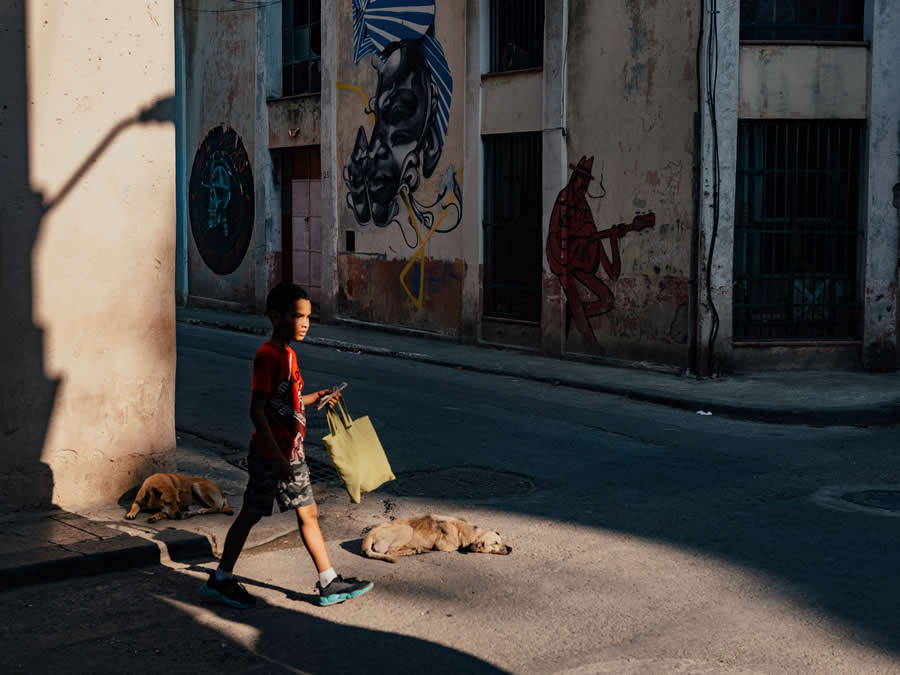
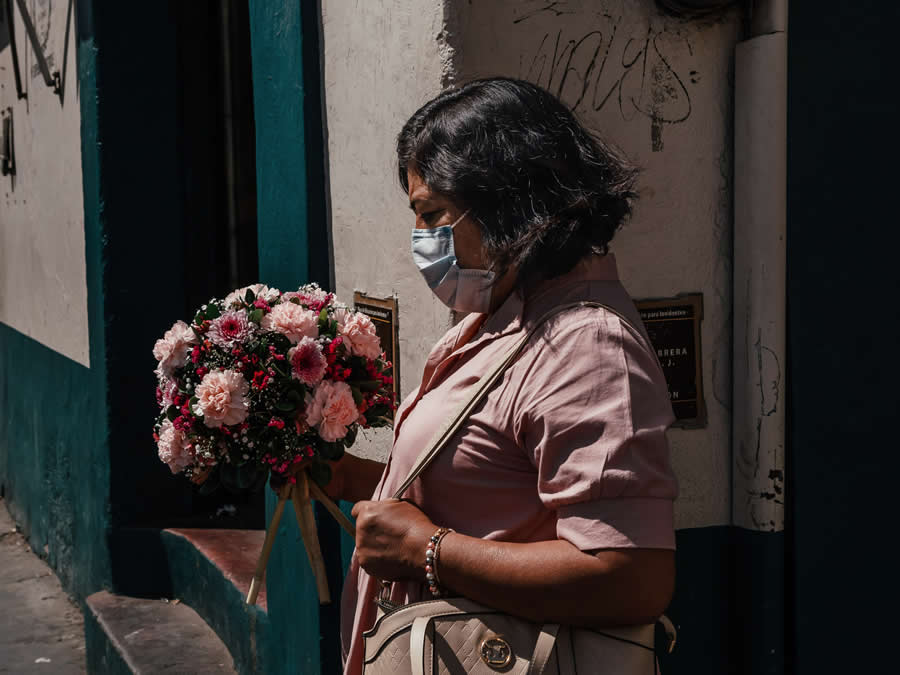
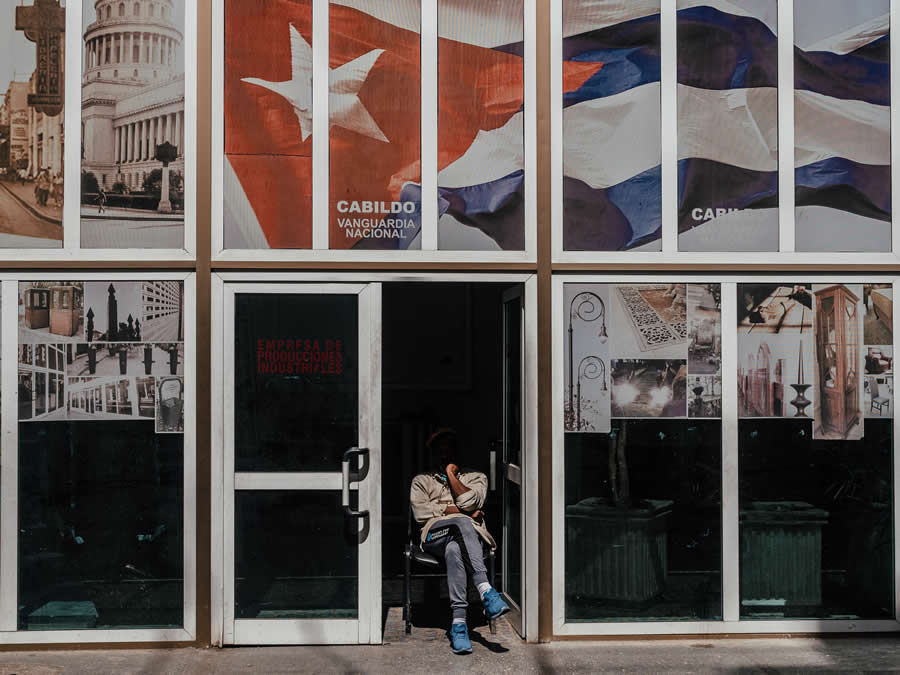
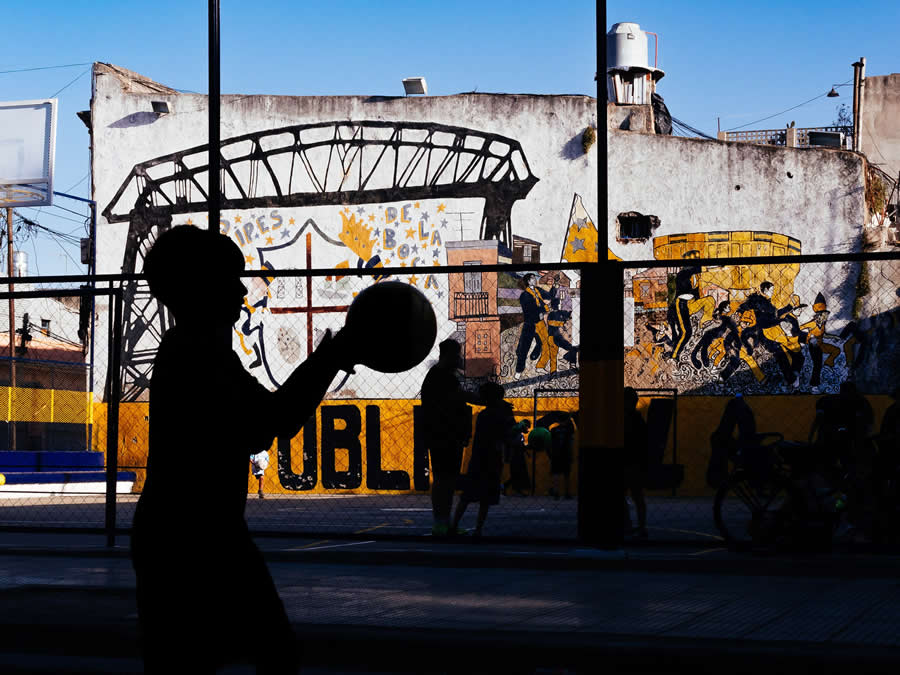
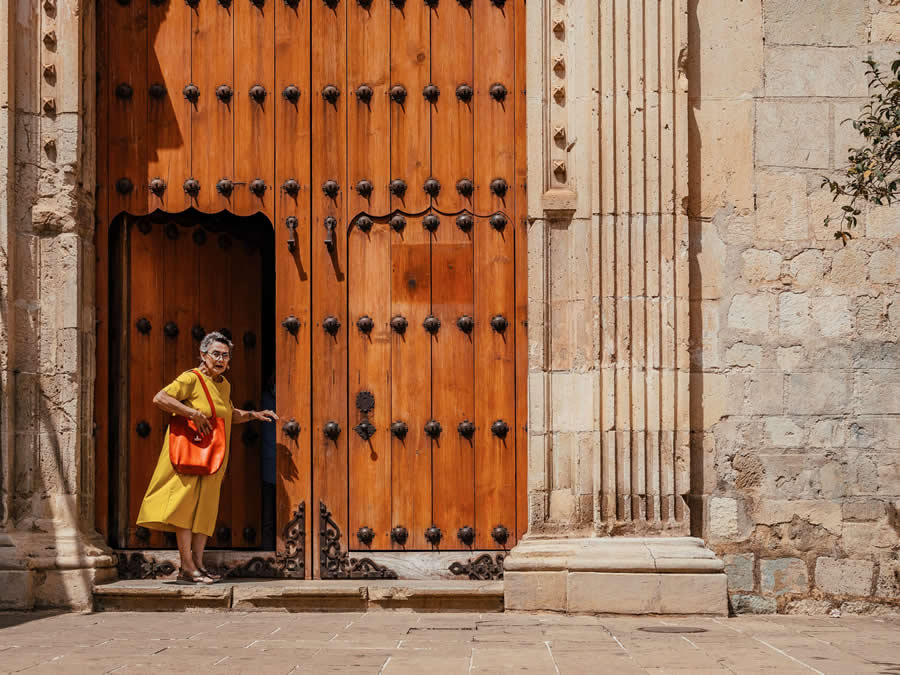
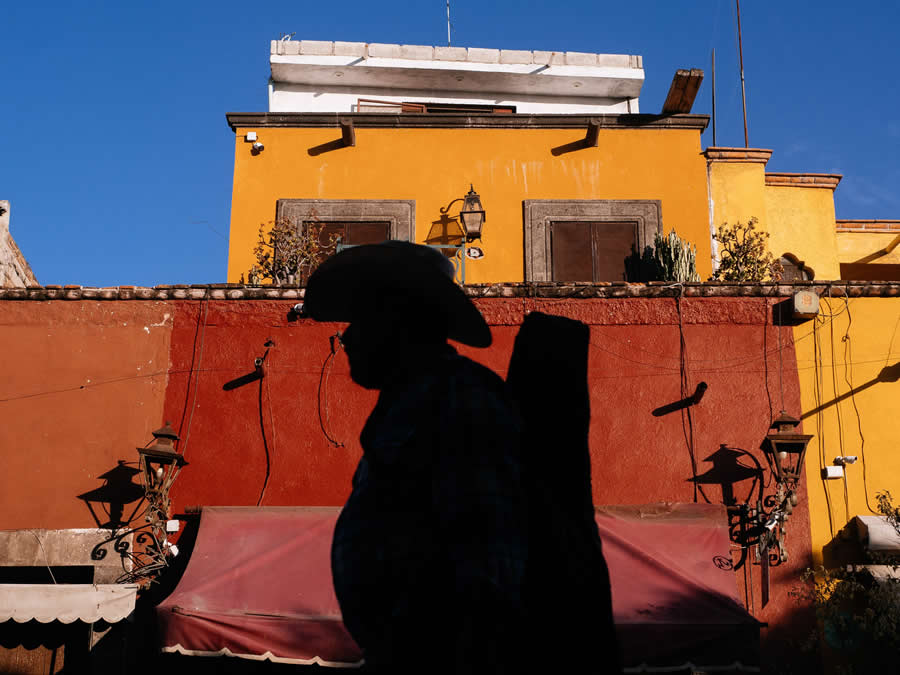
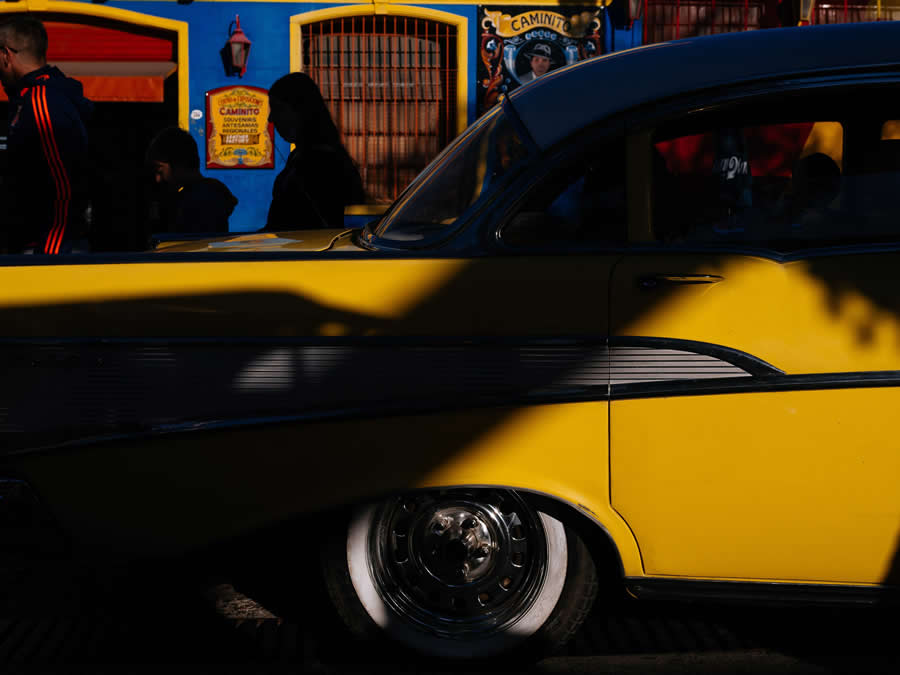
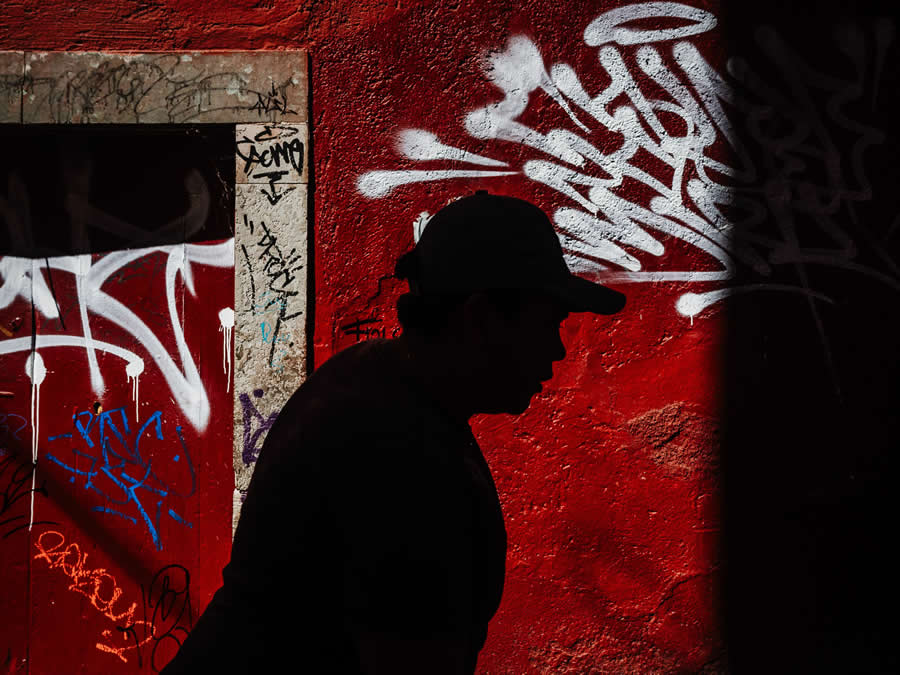
What makes his street photography hit different is how instinctive it feels. The frames are tight but alive. Colors go bold without screaming. Shadows don’t hide—they perform. Composition isn’t rigid; it breathes. People aren’t props; they’re protagonists. Every photo feels like it was discovered, not forced.
During the pandemic, Borobio doubled down—self-taught, obsessive, studying the masters, sharpening technique, then exploding back onto the streets when the doors reopened. Since then, street photography hasn’t just been his passion; it’s his way of evolving as a human. These 35 images aren’t about perfection. They’re about presence. About being there when life briefly lines up into poetry—and having the nerve to press the shutter.
You can find Federico Borobio on the Web:
#1
#2
#3
#4
#5
An introduction about you?
I was born in Buenos Aires, Argentina, where I currently live. From a young age, I understood that I wanted to live many lives—that one would not be enough to satisfy my desire to experience different realities. Over the years, I have been a lawyer, journalist, audiovisual producer, co-director of a cultural space and a short film festival, cultural manager, and teacher. For more than eight years now, my obsession has been to go out with my camera and let myself be surprised by people, places, situations, serendipity, and all those beautifully unpredictable things.
I love walking the streets; they are my jungle. I enjoy observing their dynamics and details, talking to people, learning about their lives, forming bonds, and letting all of that permeate my work. I see everything transforming before my eyes into combinations of people, light, color, and shadow. I have also always felt like a fish in water among crowds, whether at a sporting event, a popular festival, or a protest demonstration. That energy lifts me up and nourishes my photography.
If I had to define genres, I could say that I do street, documentary, and social photography, although I don’t really care about labels. I wander, interact, search, and search for myself—that’s all. At this stage of my life, what interests me most is continuing to transform myself through these experiences and evolving alongside my photography.
#6
#7
#8
#9
#10
How did you get started in photography?
My first significant contact with photography was as a film student. I worked with analog photography for two years, but then devoted myself entirely to video editing for a long time. I rediscovered my old love for street photography many years later through my experience as a teacher involved in cultural projects, which led me to travel throughout the country. I took advantage of every free moment to go out into the streets and take pictures.
During the pandemic, I deepened my learning in a self-taught way, which is how I usually approach things that interest me. I studied technique, explored the work of great street photographers, and absorbed everything I could. When the streets reopened, I went out like a madman to take pictures. Since then, photography has become my main activity and my passion, and I believe it will continue to grow more and more.
#11
#12
#13
#14
#15
What inspires you to take these incredible photos on the street?
I have always felt a strong attraction to images, communication, people, and street life, and I discovered that photography allowed me to bring all these elements together. Beyond documenting what I see around me, I try to give it my own perspective—to express my creativity in a personal way. Photography also serves as a great excuse to start conversations and learn more about the lives of the people around me. I had already developed this interest while working as a journalist, and now I’m revisiting it from a new angle.
I love being on the street, entering that special state of concentration that some call “the zone,” discovering characters, scenes, light, silhouettes, and forms around me. Everything feels enjoyable in those moments. When I return home at the end of the day, I feel as if I’ve spent a full day at a spa, filled with beautiful stimuli for both mind and body. Of course, I also arrive exhausted—I usually walk 10 kilometers or more on each outing—and I love that physical exhaustion too. I’m very aware that photography transforms me both as a photographer and as a person. It constantly challenges me, and that makes it even more exciting.
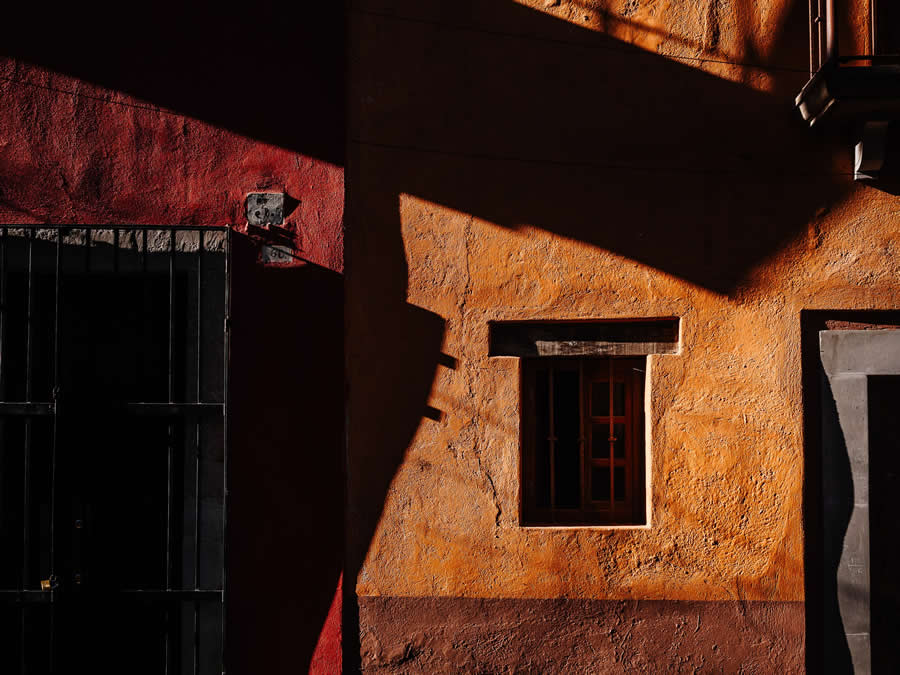
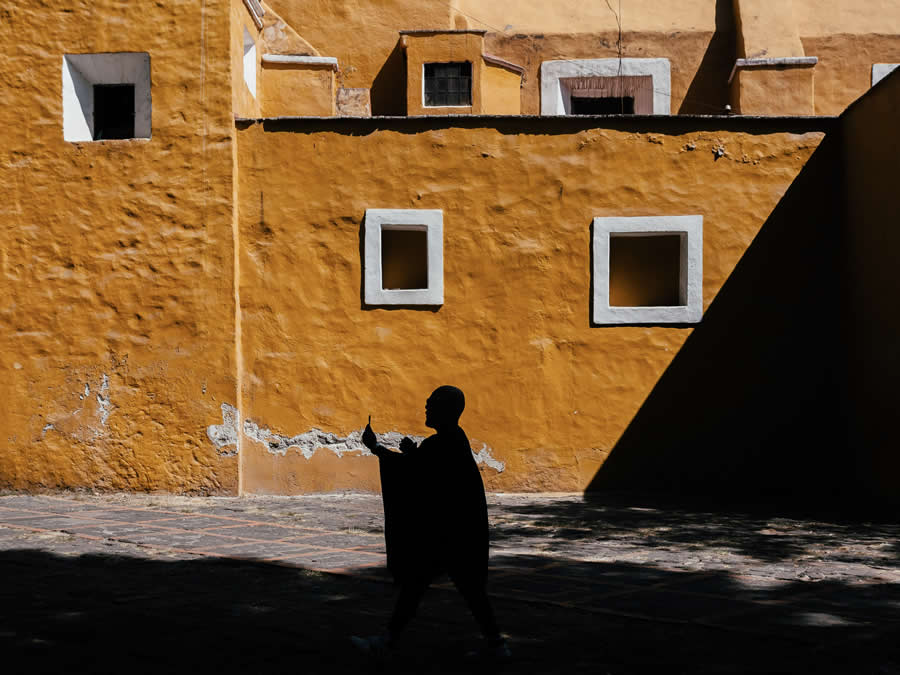
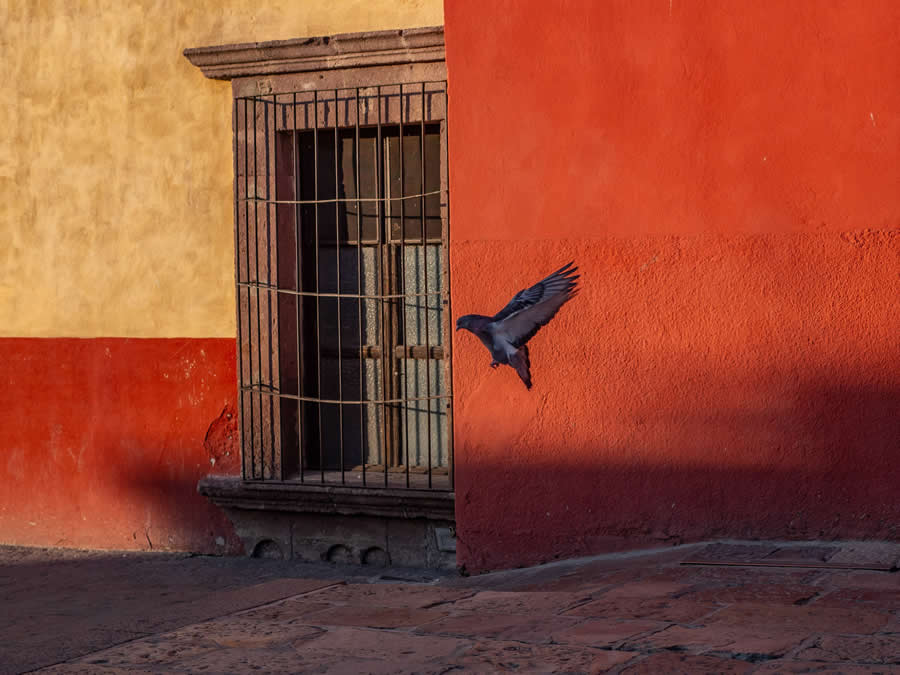
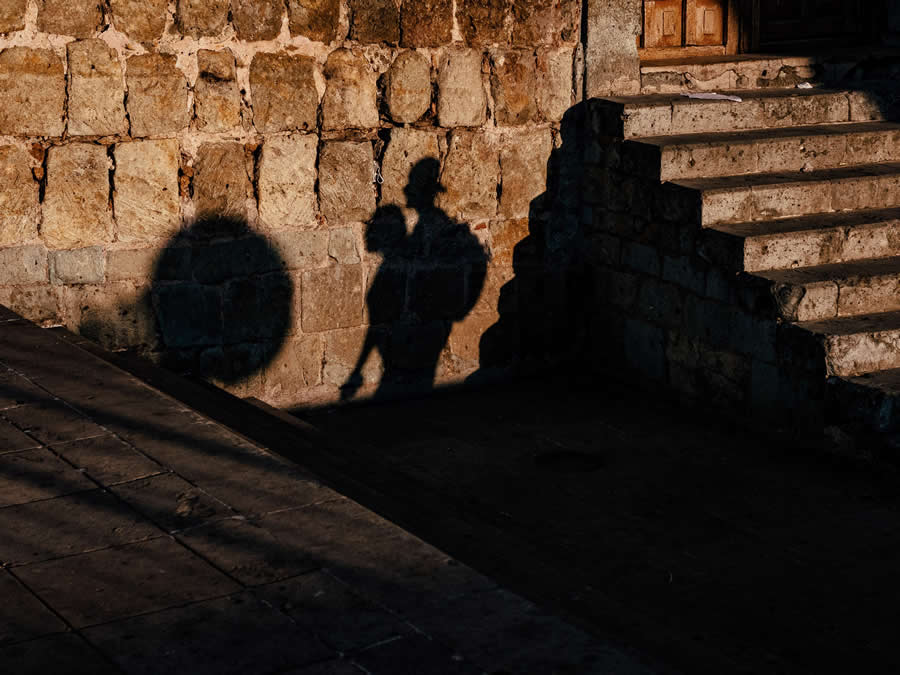
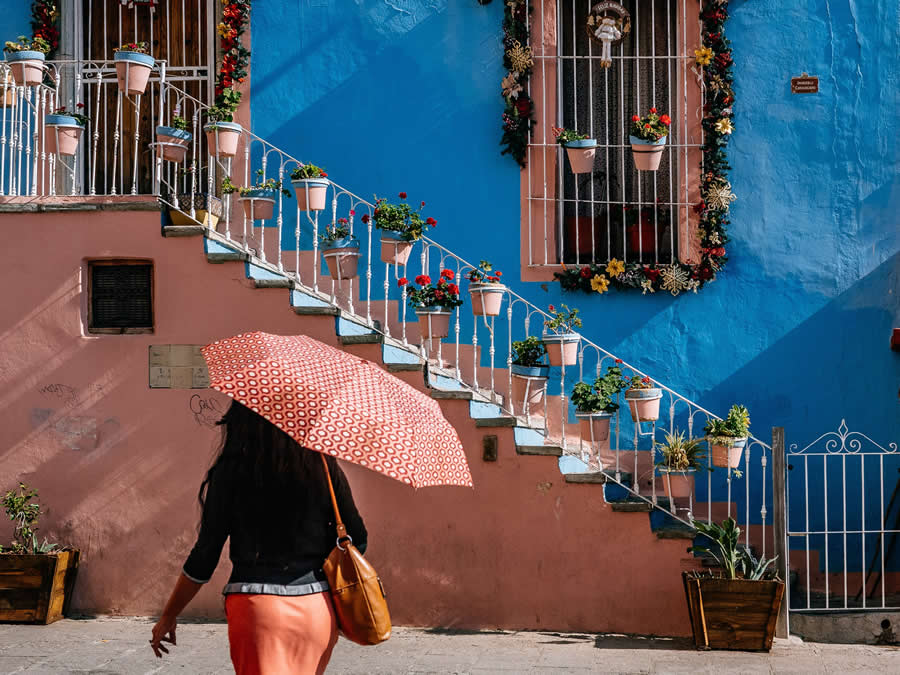
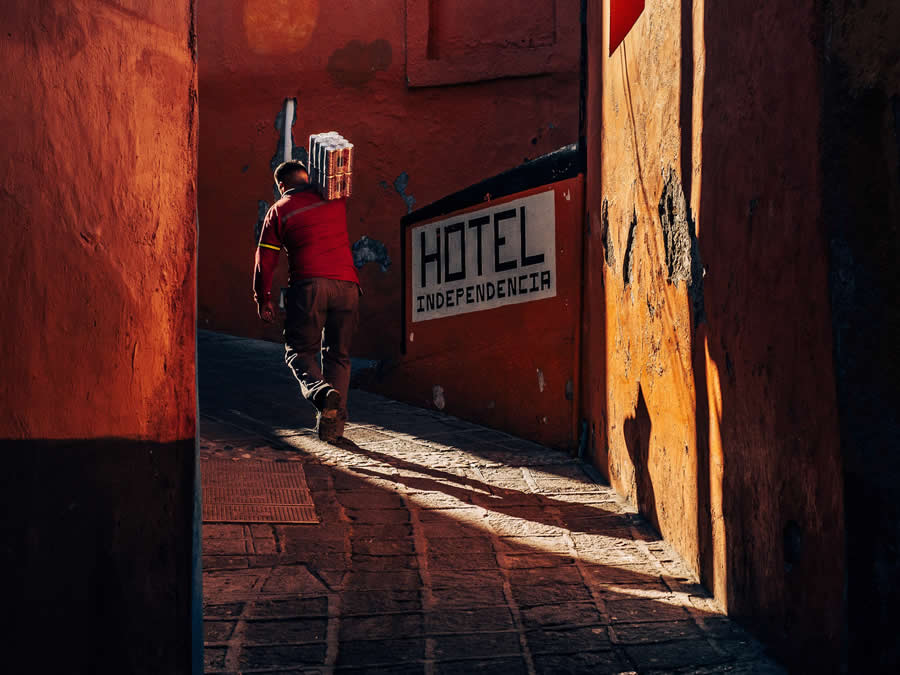
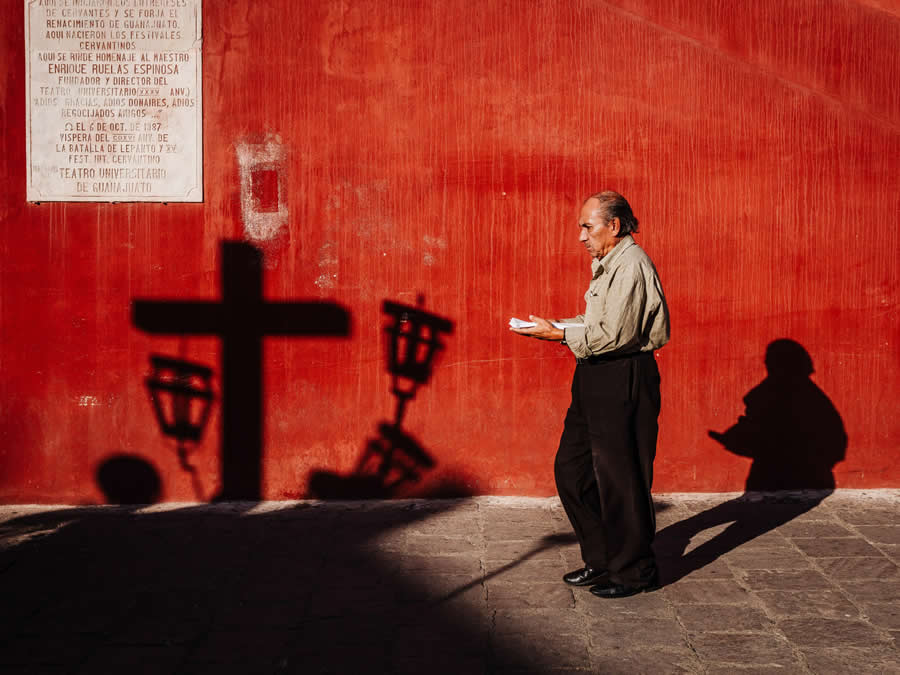
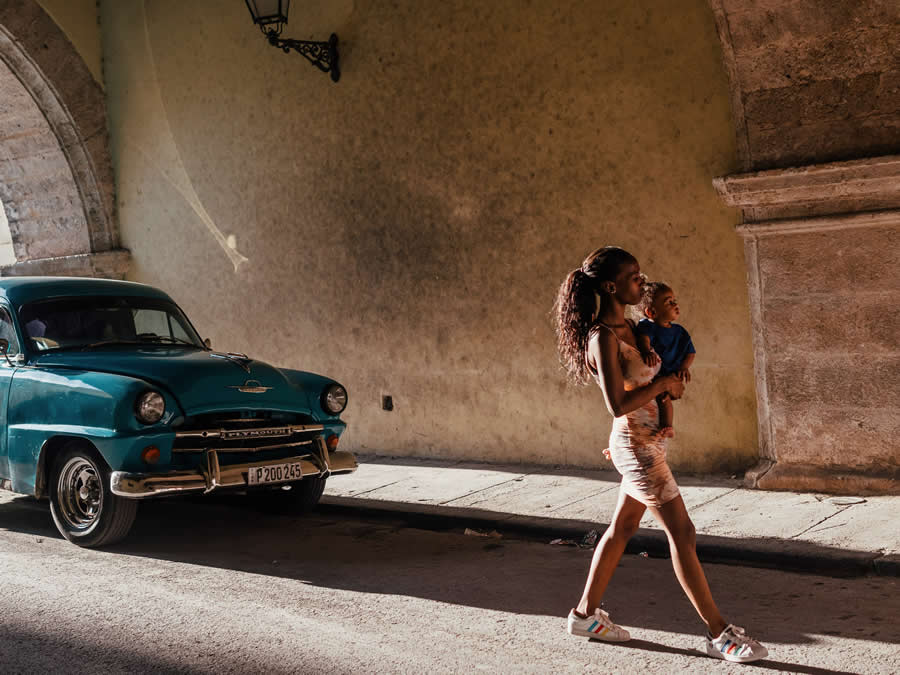
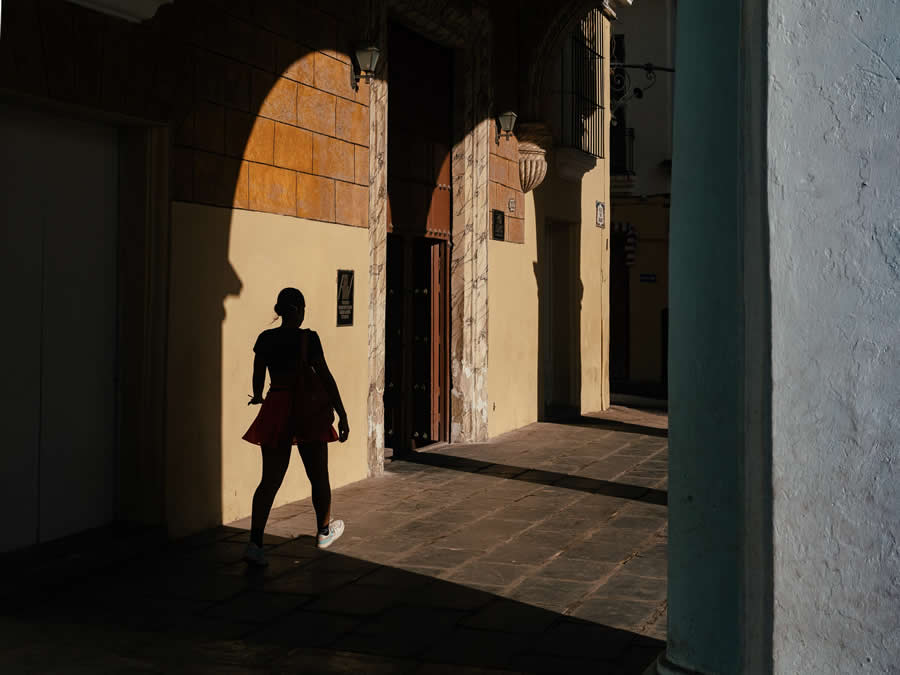
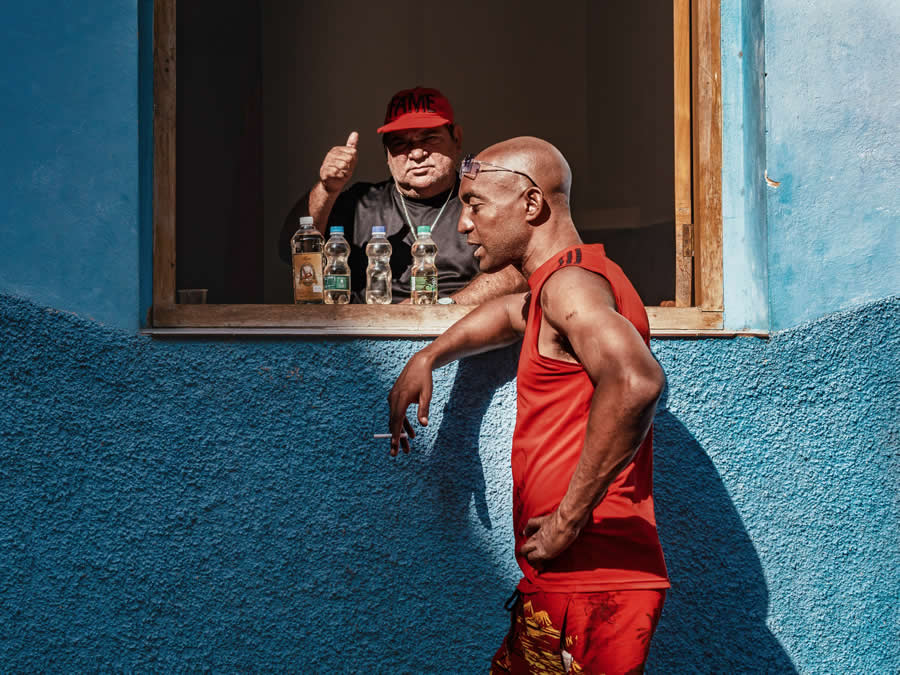
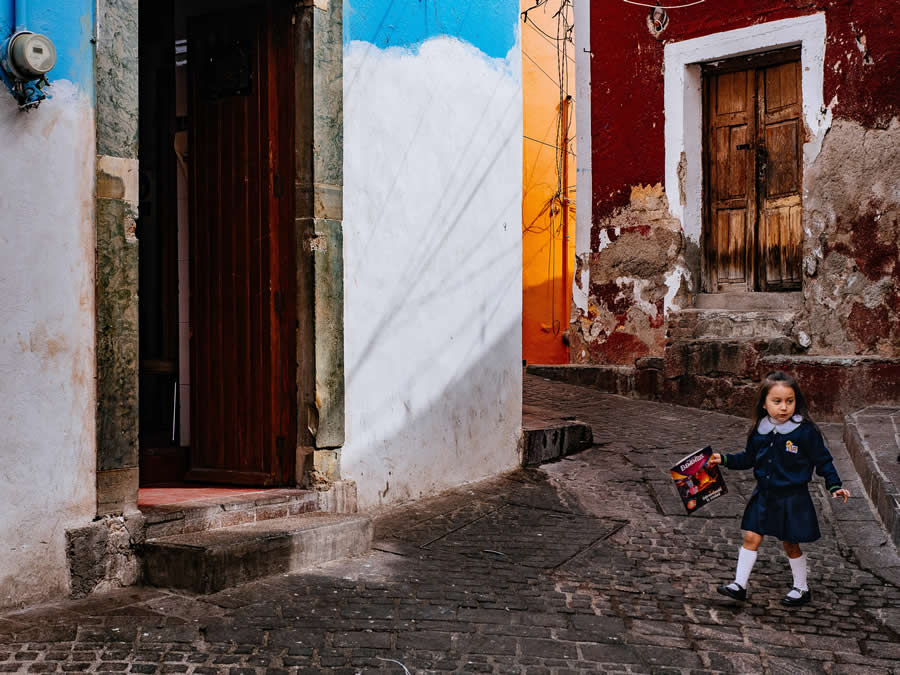
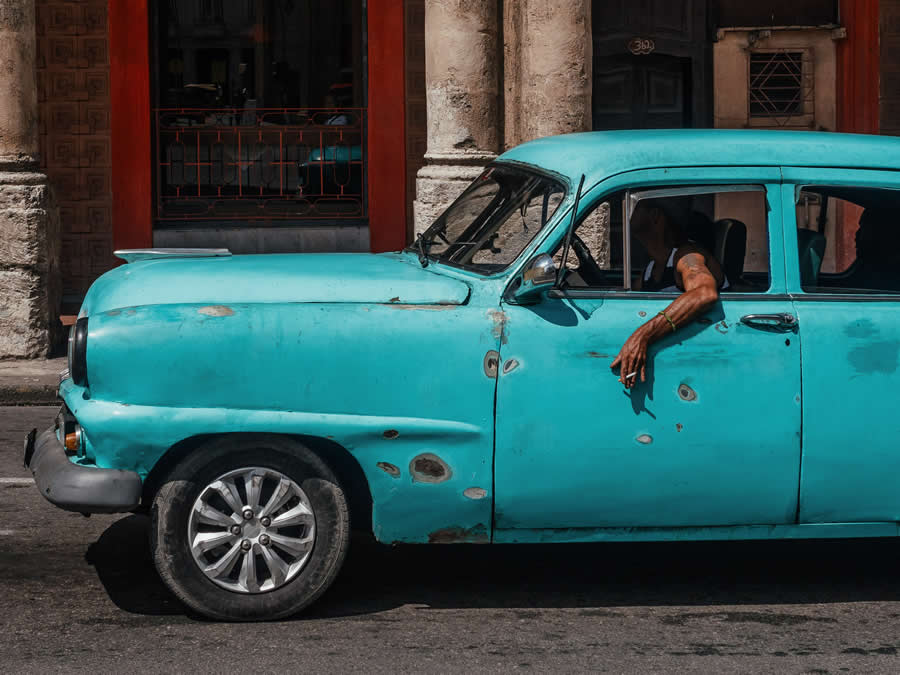
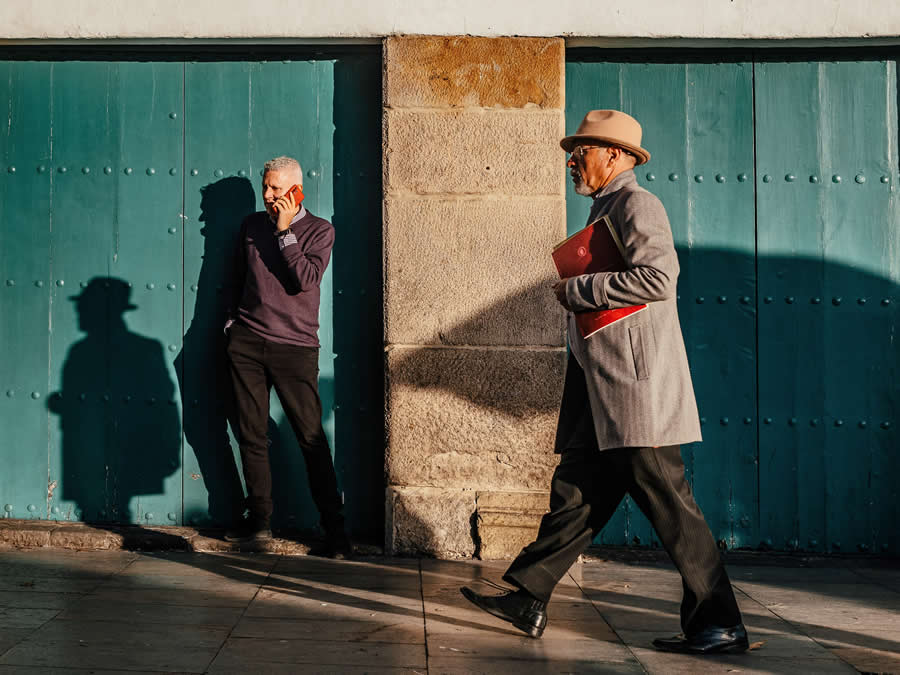
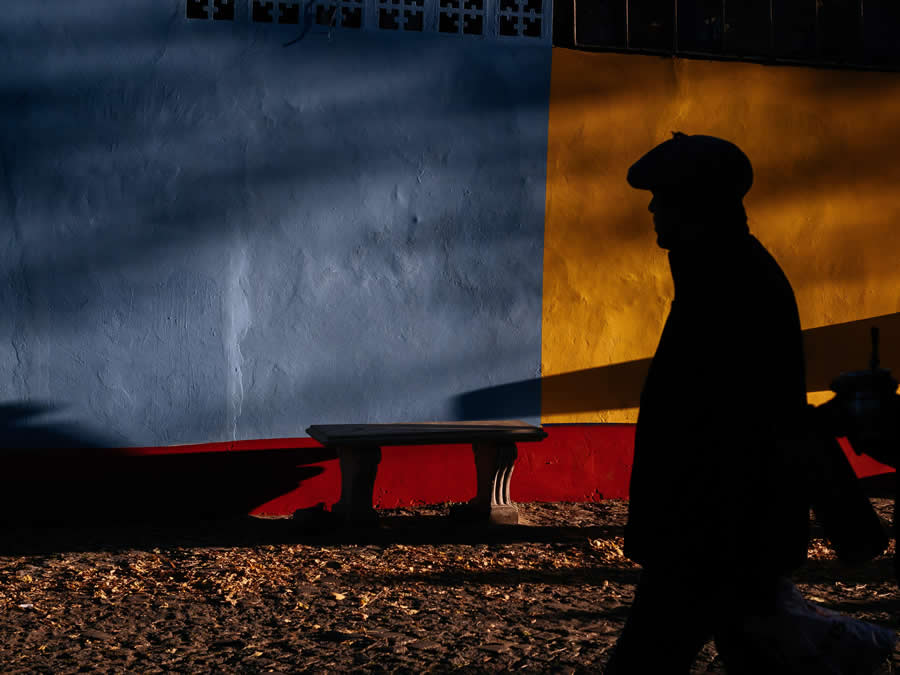
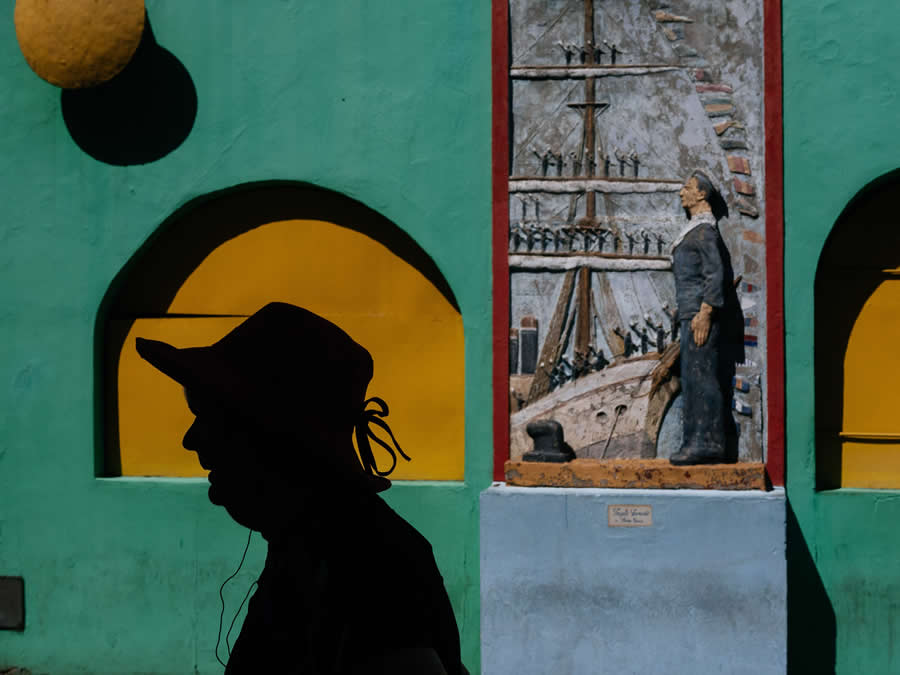
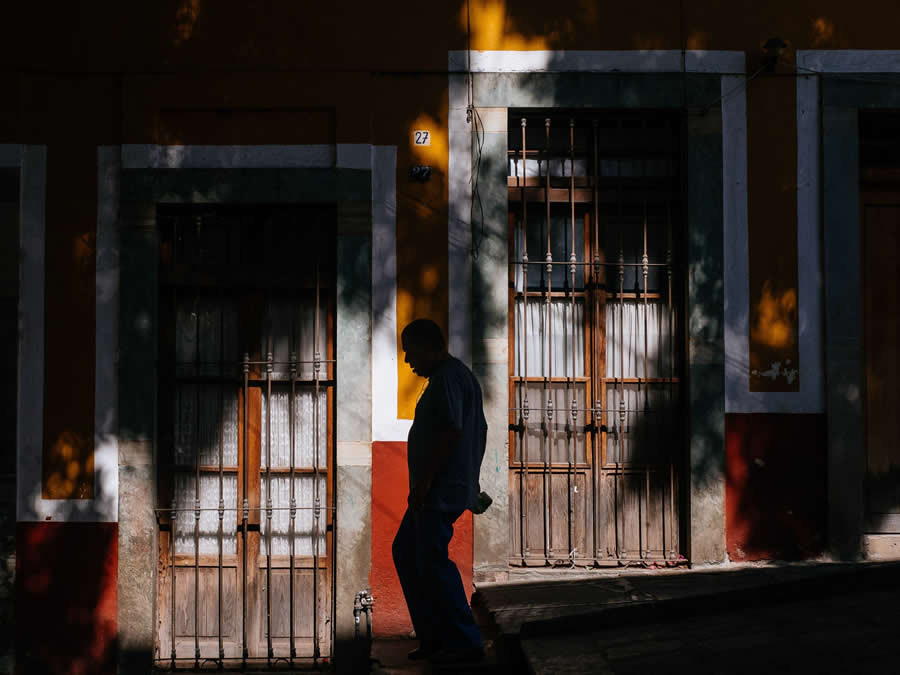
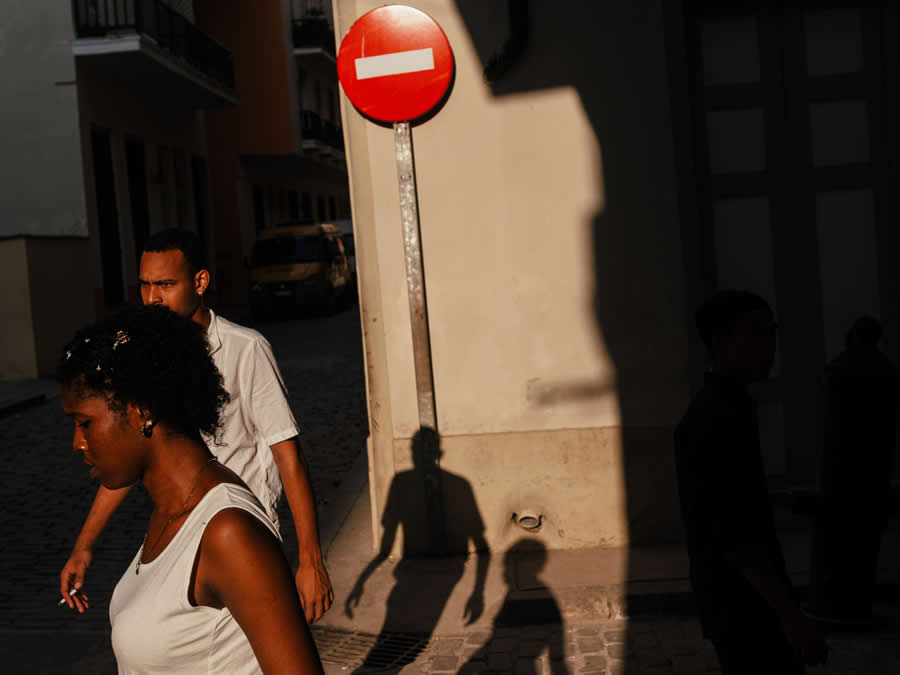
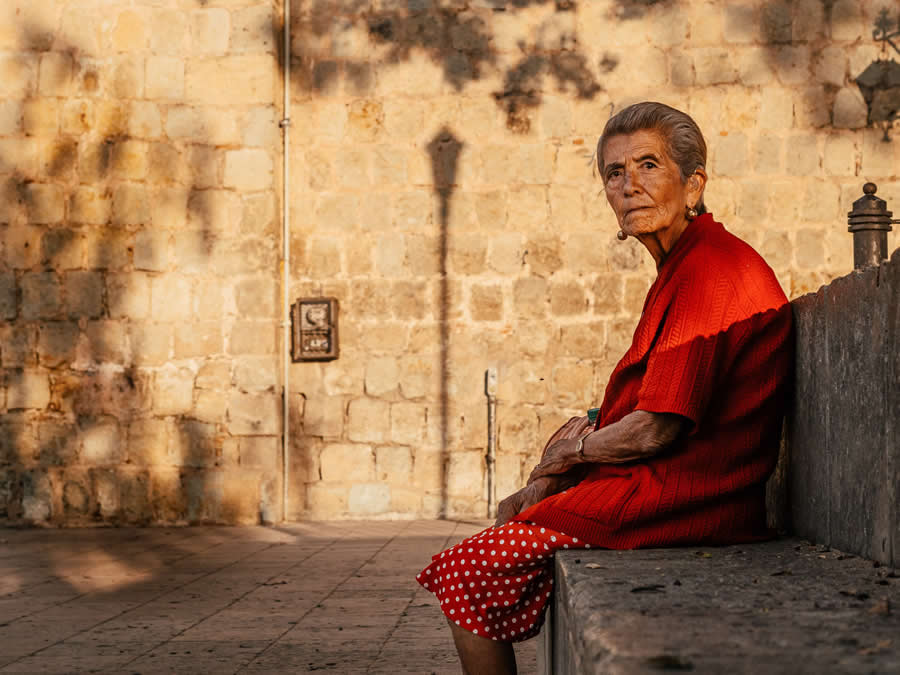
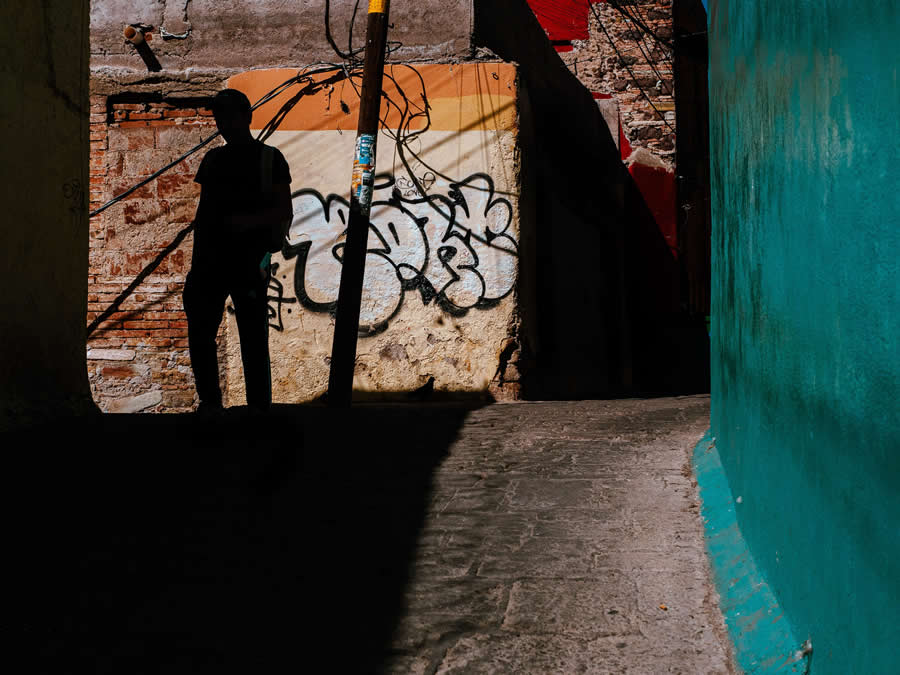
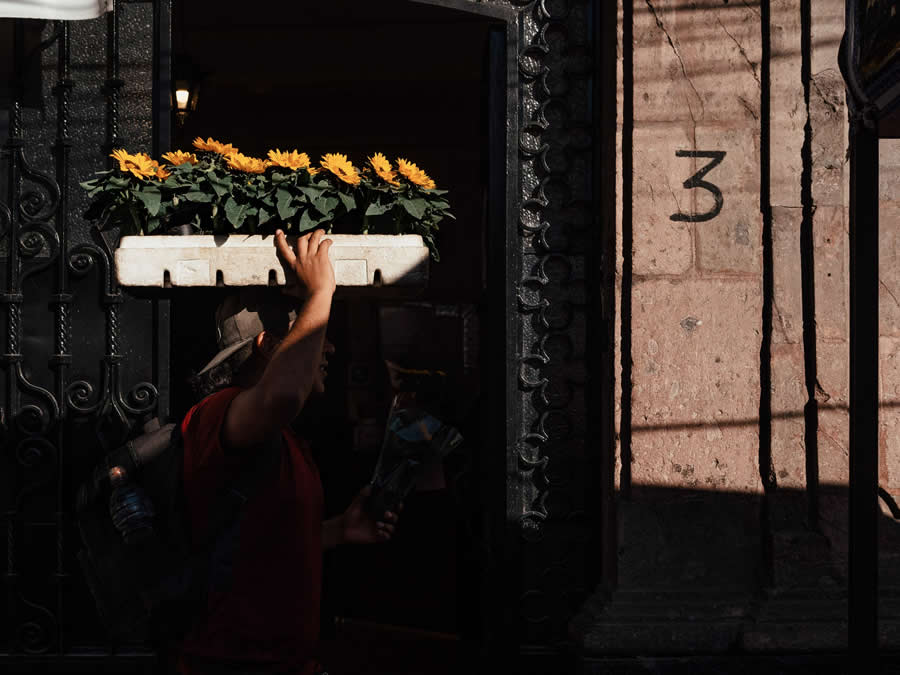
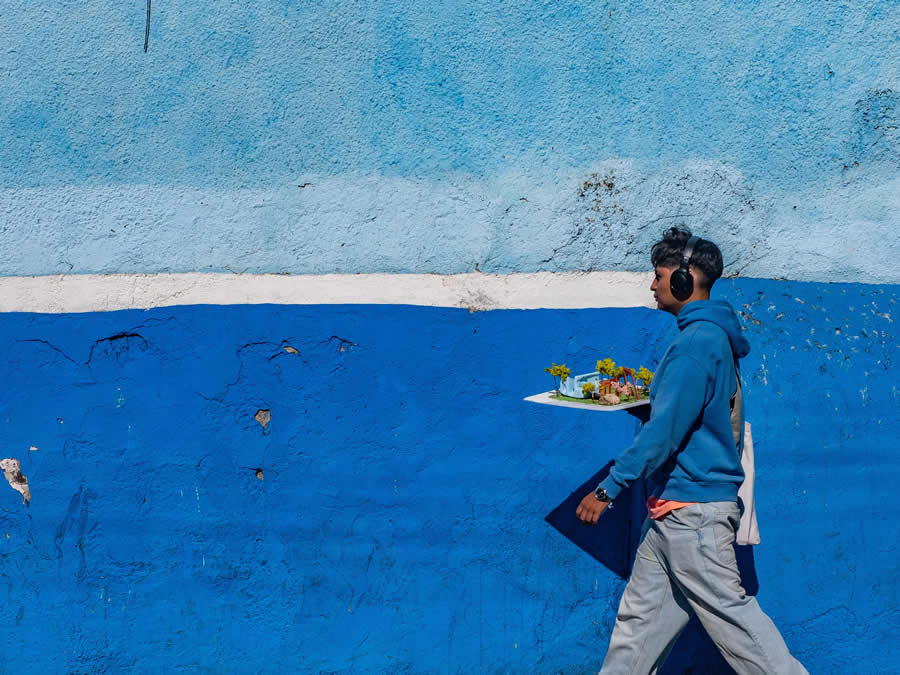
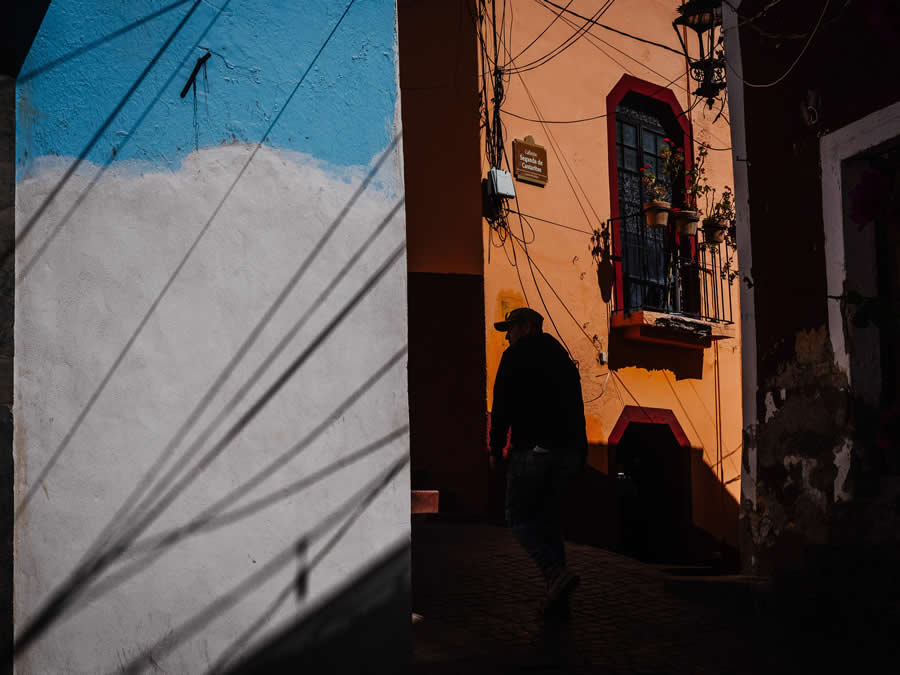
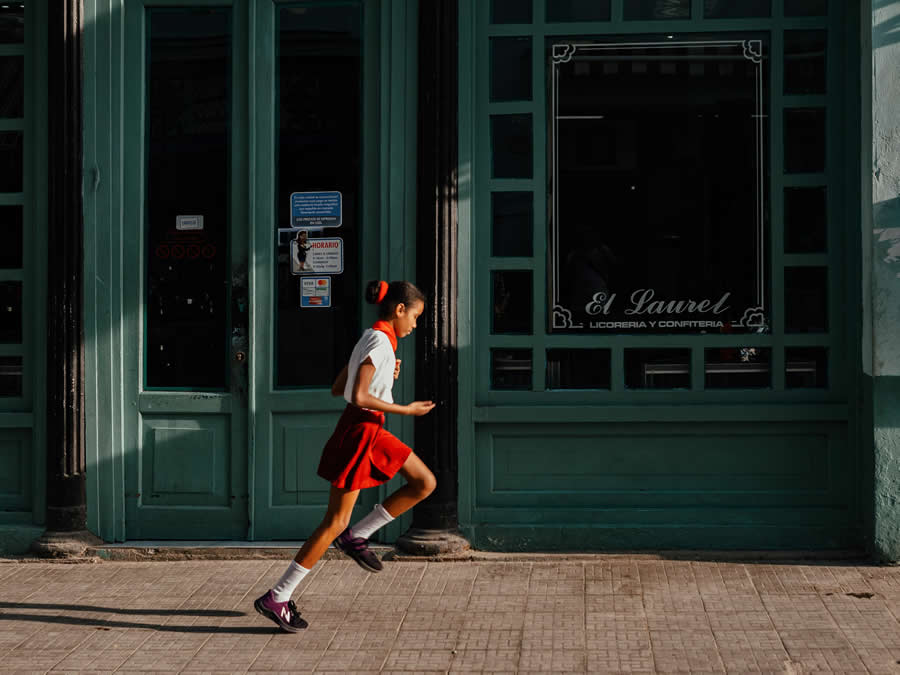
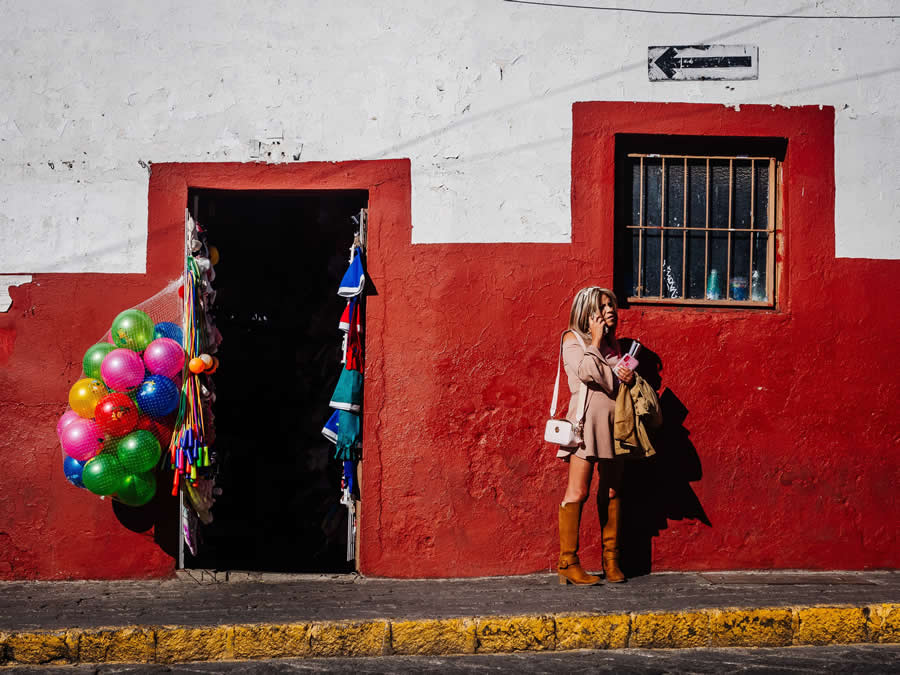
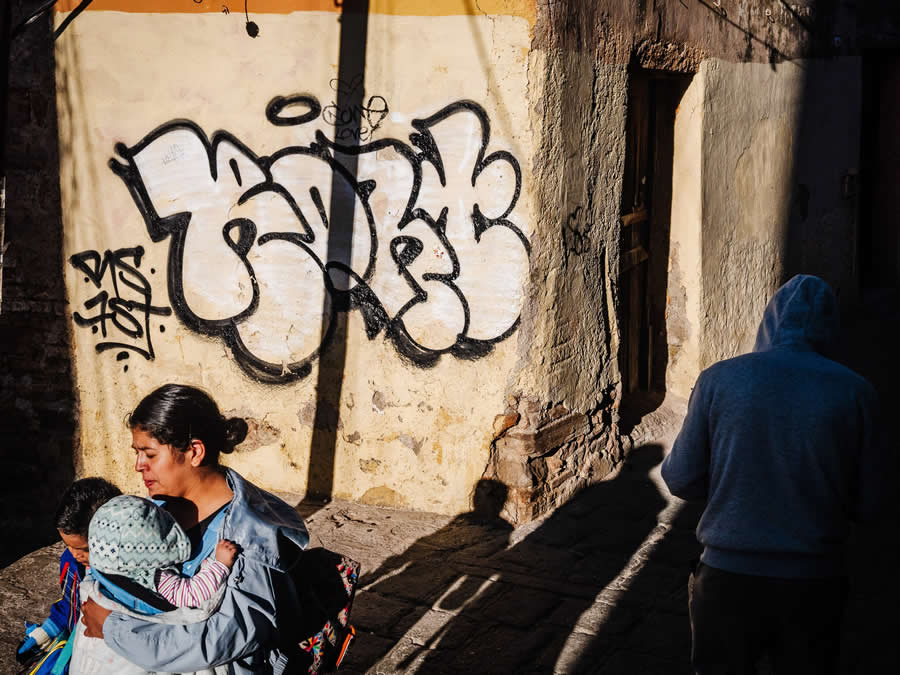
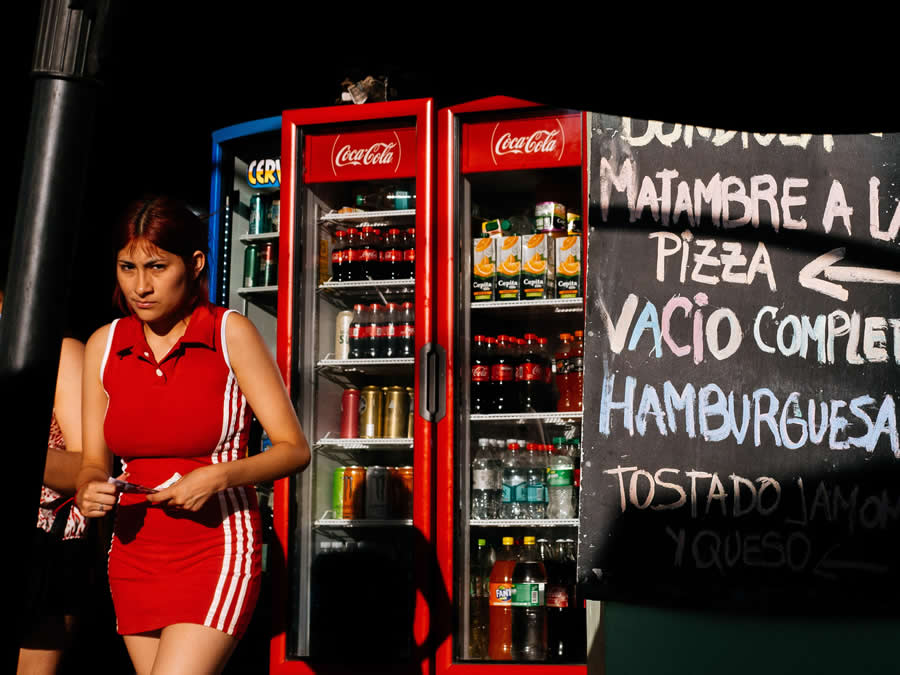
My style has been shaped by several clear elements: intense and vibrant colors, shadows that create special scenes, silhouettes, and curious—sometimes mysterious—cutouts. The presence of people is a constant, and those who spark my curiosity tend to become the protagonists. What we might call “style” wasn’t something I set out to achieve intentionally; it emerged naturally from the work itself. Over time, as my body of work grew, I became more aware of what attracted me, and now I try—without closing myself off to other possibilities—to keep moving in that direction, continuing to deepen, expand, and explore.
I’m not interested in beautiful places, but in interesting ones—and the same goes for people.
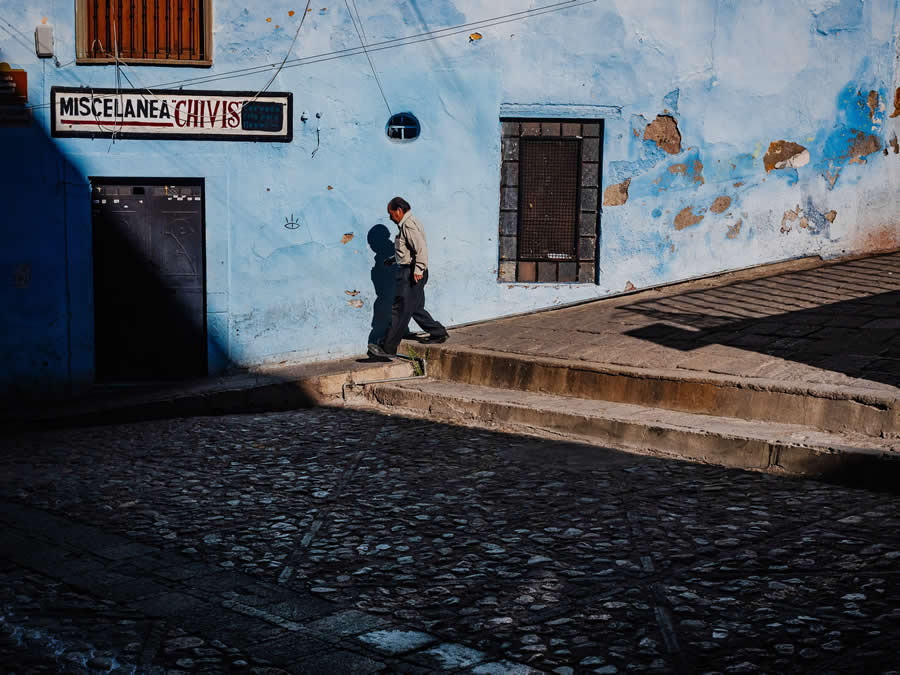
I’m particularly drawn to working-class neighborhoods, places where history is written on the walls and where progress hasn’t turned everything into a shopping mall. These are places where people listen to loud music, greet each other across street corners, children play ball, and the smell of home-cooked food fills the air. They tend to be less formal, and those environments define my themes, although color and light are also decisive factors for me.
The way I move, my speed, knowing when to stop and where to settle, or even spending 30 minutes talking with someone—all of that is part of a personal flow.
#16
#17
#18
#19
#20
Your awards and recognitions?
My work has been recognized in competitions such as Eyeshot Magazine Open Call, Street Photography France, Paris International Street Photo Awards, The Independent Photographer Street Photography Competition, Sony Alpha: MXSPF Street Photography Contest, Street Photo Contest “Conexión Calle,” Tokyo International Photo Awards, URBAN Photo Awards, Sony World Photography Awards, and Mobile Photo Awards, among others. My photographs have also been published in Latina Republic, Haute Magazine, Eyeshot Magazine, All About Photo, Inspired Eye Magazine, Bored Panda, The Best Selected Project, F-STOP, Progressive Street, and Derrumbe: From the Euphoria of Change to Argentina’s Helplessness.
In addition, my work has been exhibited at Photobook Cafe (London); Magazzino Arti Sceniche and Magazzini Fotografici Center (Italy); Teatro Acolmiztli Nezahualcóyotl, Chimalhuacán (Mexico); Arcimboldo Arte Contemporáneo (Argentina); Museo de Arte Contemporáneo de Querétaro (Mexico); Praxis Gallery (United States); Faro de Oriente (Mexico); Casa de la Cultura (Rio Cuarto, Argentina); Museo de Arte Contemporáneo (Lima, Peru); White Café, Mercato Coperto, and Palazzo delle Poste Centrali (Trieste, Italy); El Cubo Colsubsidio (Bogotá, Colombia); UNLP Faculty of Arts (La Plata, Argentina); Faculty of Philosophy and Letters (Buenos Aires, Argentina); Spectrum Sotos Gallery (Zaragoza, Spain); and the Zaragoza Museum (Spain).
#21
#22
#23
#24
#25
Who are your favorite photographers, and what inspires you?
The first street photographer who made an impact on me was Gustavo Minas—he was my gateway. Although I don’t use reflections in my work, he showed me how surreal images could emerge from reality, and I was captivated by his use of color. Alex Webb expanded my vision even further, taking everything to the next level with his layers, silhouettes, and intense colors. Harry Gruyaert drew my attention to color and visual plasticity, as did Saul Leiter.
I could go on with a long list: from Joel Meyerowitz, I learned how to move through the streets and develop the right attitude; Daidō Moriyama blows me away with his freedom and creative personality, and so on. I believe my photography is a blend of my personal history—social, documentary, and street photography, painting (my father was a visual artist), and cinema, where I worked as an editor for about 15 years.
#26
#27
#28
#29
#30
Conclusion
Federico Borobio’s street photography is ultimately about presence—about showing up, walking without urgency, and allowing life to unfold in front of the lens. His images don’t chase spectacle or perfection; they search for truth in the everyday. Through light, color, and carefully balanced compositions, Borobio transforms ordinary streets into spaces charged with emotion, memory, and human connection.
What makes his work resonate is its honesty. The streets he photographs are not idealized or sanitized; they are lived-in, imperfect, and alive. Working-class neighborhoods, fleeting encounters, and unplanned conversations become the raw material for visual storytelling that feels deeply personal yet universally relatable. Each frame reflects a dialogue between the photographer and his surroundings, shaped by patience, curiosity, and respect.
Borobio’s photographs remind us that street photography is not only about seeing, but about engaging—listening, moving, waiting, and sometimes simply being still. His work stands as proof that powerful images emerge when the photographer allows intuition to guide the process rather than rigid rules or expectations.
In these 35 photographs, light becomes language, color carries emotion, and composition quietly directs the story. Together, they form a body of work that celebrates unpredictability, human presence, and the poetic beauty hidden within everyday life—inviting viewers to slow down, look closer, and rediscover the streets with fresh eyes.
#31
#32
#33
#34
#35
In Summary
Who is Federico Borobio?
- Federico Borobio is an Argentina-based street photographer known for vibrant color, strong composition, and human-centered storytelling.
What defines his street photography style?
- Bold colors, dramatic shadows, layered compositions, and authentic moments rooted in real street life.
Where does Federico Borobio shoot most often?
- Primarily in Buenos Aires, especially working-class neighborhoods rich with history and everyday energy.
What inspires his photography?
- People, street life, color, light, conversation, and the unpredictable nature of real-world moments.
Has his work received international recognition?
- Yes. His photography has won awards and been exhibited globally across major competitions and galleries.




 English (US) ·