.png)
 1 week ago
31
1 week ago
31
Aperty, professional portrait retouching software, has released a new update designed to integrate more seamlessly into photographers’ existing workflows. Here are the details from Aperty.
The update reflects months of direct collaboration with users and marks a strategic shift toward deeper plug-in support, improved performance, and long-term workflow stability.
Over the past several months, the Aperty team has been in close conversation with photographers across portraits, weddings, and event photography. Through direct feedback, workflow reviews, and real-world production testing, one message came through clearly: photographers don’t want tools that replace their process—they want tools that integrate seamlessly into it.
Built Around Real Production Work
The latest Aperty update reflects that direction, led by a new Adobe Lightroom Classic plug-in with batch processing—a highly requested capability for high-volume workflows. Photographers can now retouch multiple images in a single session, dramatically reducing editing time for portraits, weddings, and events.
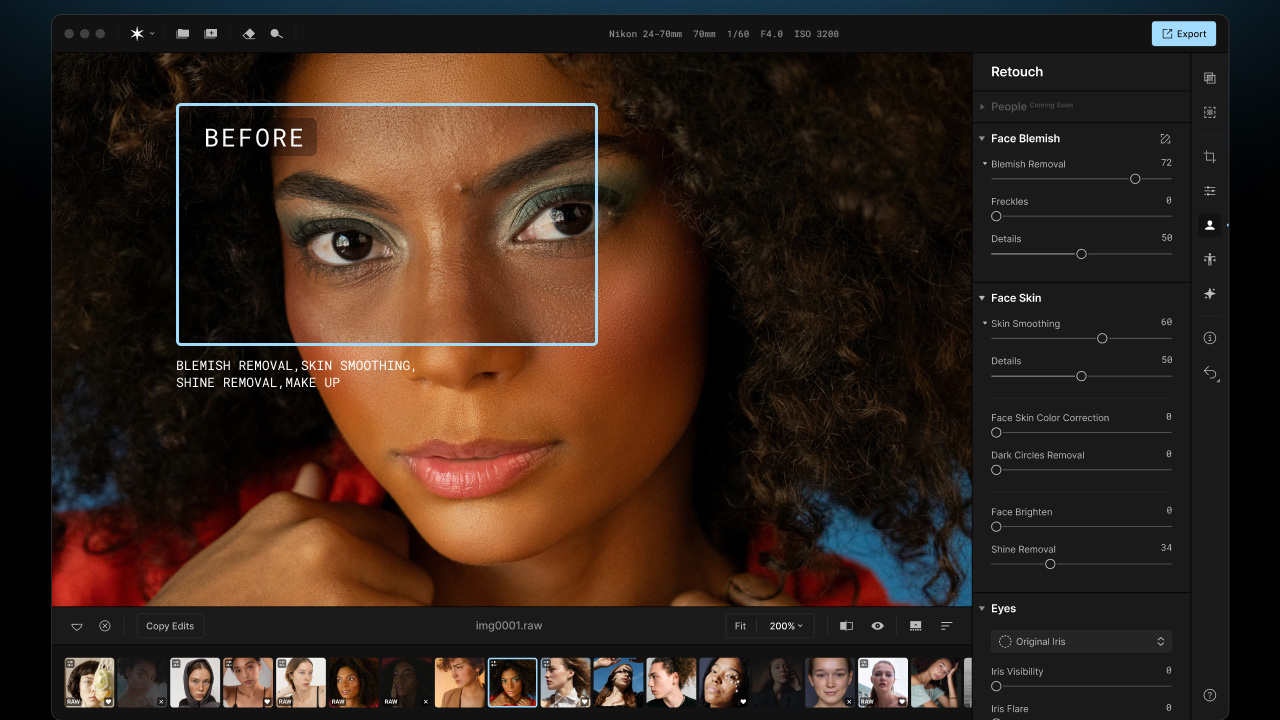
The update also introduces a new export option, giving users more flexibility beyond saving edits back to Lightroom Classic, alongside several workflow refinements:
-
Clearer save actions and confirmations in the Lightroom Classic plug-in
-
Improved consistency between the plug-in and the standalone Aperty app
-
A fix for an Adobe Photoshop plug-in issue that caused images to render black
A Clear Direction for 2026
Alongside the release, Aperty shared its forward-looking focus for 2026—centered on stability, performance, and deeper integration into photographers’ existing toolsets.
Upcoming initiatives include:
-
Ongoing performance and stability improvements
-
A personalized onboarding experience, launching in February 2026, designed to adapt to how individual photographers work
-
Continued investment in plug-ins and integrations, guided directly by user feedback
Responsible Use of AI and Image Data
Aperty emphasizes that no photos from photographers or their clients are used to train AI models. User images remain the photographers’ property and are never stored or used for AI training purposes.
All AI capabilities in Aperty are developed exclusively with ethically sourced, commercially licensed datasets. The goal is to assist photographers in retouching—not to generate images or replace creative work.
Commitment to Existing Customers
As part of this announcement, Aperty reaffirmed its commitment to early supporters. All existing lifetime license owners will receive three years of free updates, recognizing their trust as the product continues to mature.
The company also clarified upcoming plan changes: while new plans will no longer include a second seat by default, all existing customers will retain their second seat, with no changes required. All the current prices can be viewed on Aperty’s website.
With this update, Aperty underscores a clear stance: photography remains a human craft, and technology should exist to support it—quietly, reliably, and on the photographer’s terms.
Finally
I’m not a portrait photographer, but I did give this latest update a spin. I confirmed that it worked well as a plug-in for Lightroom Classic and Adobe Photoshop, and the new export commands appeared to be solid.
Aperty is part of Skylum, which has had a very successful run with Luminar Neo as an editor for landscape photographers. You can think of Aperty as Skylum for portrait or wedding photographers, with a raft of editing tools blended with AI to make the job easier for photographers.








 English (US) ·