.png)
 6 days ago
18
6 days ago
18
After 15 years reviewing cameras, Chris Niccolls knows gear. The PetaPixel YouTube host has tested every major system and built a reputation for making technical knowledge accessible. But knowledge and skill are different things. When Niccolls recently traveled to Costa Rica with fellow PetaPixel host Jordan Drake to learn bird photography from experts Ben Knoot and Ken Martinez, he found himself in the role of learning again, chasing shots he couldn’t guarantee and loving every moment of uncertainty.
Full disclosure: This article was brought to you by OM SYSTEM.
Feeling inspired? Enter the #TravelWithOMSYSTEM photo contest for a chance to win an OM-3 or OM-5 Camera Kit + WANDRD camera bag.
Golden light from an approaching storm backlit the toucan perfectly. From a viewing tower above the Costa Rican jungle, Chris Niccolls had the shot: clean background, no blown-out sky, a natural window in the foliage framing the bird as it hopped along the branch. He reached for the teleconverter switch on his M.Zuiko Digital ED 150-400mm F4.5 TC1.25X IS PRO OM lens to get a closer composition.

“On that first afternoon, that toucan taught me the most important lesson in bird photography,” Niccolls says. “Birds don’t wait for you. By the time I engaged the teleconverter and reacquired focus, the moment was gone.”
Minutes later, the storm pounded Niccolls with rain. His OM-1 Mark II survived, but the shot that he wanted didn’t.
“My first thought was: thank God we still have four days left,” he admits. “That experience showed me that getting a bird in focus isn’t the goal. Getting a photograph you’re proud of requires beautiful light, proper composition, and the bird doing something interesting, all in the same moment. There are countless ways to miss it, especially if you spend time trying to adjust.”
 Yellow-Throated Toucan
Left: OM-1 Mark II • M.Zuiko 150-400mm F4.5 TC 1.25x IS PRO • 350mm (700mm equivalent) • 1/320sec • f/5.6 • ISO 2000
Right: OM-1 Mark II • M.Zuiko 150-400mm F4.5 TC 1.25x IS PRO • 400mm (800mm equivalent) • 1/400sec • f/5.6 • ISO 4000
Led by OM SYSTEM Ambassador Ben Knoot and Costa Rican bird photography guide Ken Martinez, Niccolls would discover many more hard truths over the week, but more importantly, he would come to understand why bird photographers are so passionate about their craft.
From Reviewer to Creator
For Niccolls, this trip was much different than the controlled environment of camera reviews. The distinction matters to him.
“When I’m reviewing a camera, I’m constrained by what the product needs to demonstrate,” Niccolls explains. “A lot of the criteria is technical: sharpness tests, flare resistance, autofocus speed. That’s not always the photography that inspires and motivates me. A travel adventure flips that entirely. I’m using the gear the way an actual photographer would use it, not the way a reviewer would test it.”
 Left: OM-1 Mark II • M.Zuiko Digital ED 12-100mm F4.0 IS PRO OM • 14mm (28mm equivalent) • 1/125sec • f/4.5 • ISO 400
Right: OM-1 Mark II • M.Zuiko Digital ED 12-100mm F4.0 IS PRO OM • 14mm (28mm equivalent) • 1 sec • f/6.3 • ISO 200
That shift from evaluator to creator is what drew Niccolls to Costa Rica. Bird photography was unfamiliar territory, and he set modest expectations.
“My job requires me to shoot many different kinds of photography: landscape one day, architecture the next, wildlife the next,” he says. “Having creative experts share their expertise with me is invaluable. The PetaPixel Trail Camera travel show is a selfish experience in that way. It’s my opportunity to be creative, to learn, and to grow as a photographer. Some people don’t believe that you can still grow as a photographer after doing it for so many years, but experiences like Costa Rica proved to me that I can always evolve.”
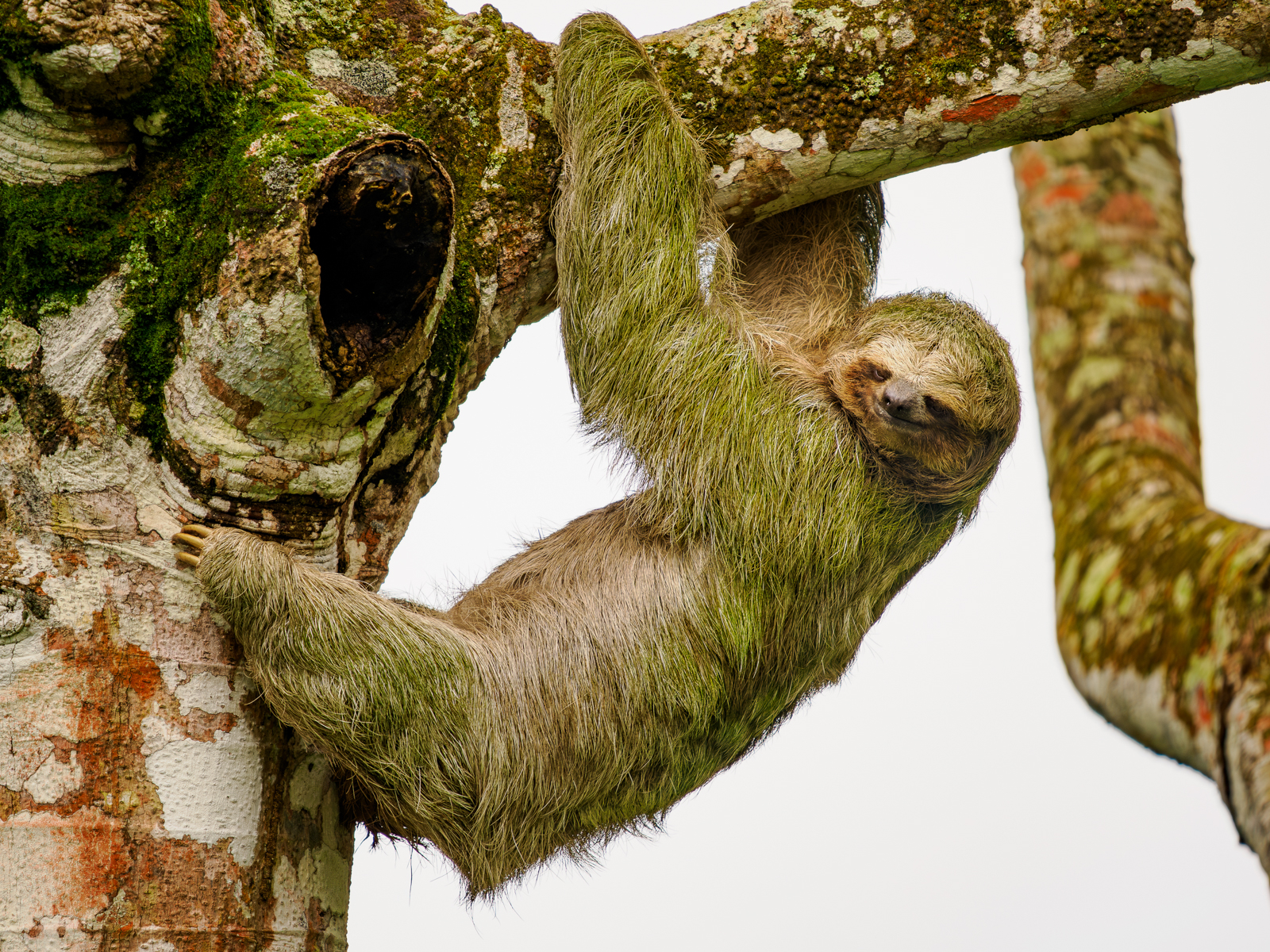 Three-Toed Sloth • OM-1 Mark II • M.Zuiko 150-400mm F4.5 TC 1.25x IS PRO • 400mm (800mm equivalent) • 1/500sec • f/4.5 • ISO 200
In Ben Knoot and Ken Martinez, he found exactly the kind of passionate guides he was looking for. What Niccolls didn’t expect was how familiar the whole experience would feel.
Why Uncertainty Matters
Niccolls is an avid fly fisherman, and he kept finding parallels throughout the trip.
“Both pursuits put me in the outdoors dealing with animals, and neither guarantees success,” he says. “I can do everything right, and it still depends on whether the bird lands there or the fish rises to my fly. The only path to success is an investment of time, energy, and knowledge: studying the patterns, learning the weather, and understanding behavior.”
That uncertainty, Niccolls discovered, isn’t a frustration. It’s the point.
 Green-Crowned Brilliant Hummingbird
Left: OM-1 Mark II • M.Zuiko Digital ED 50-200mm F2.8 IS PRO • 200mm (400mm equivalent) • 1/4000sec • f/2.8 • ISO 10,000
Right: OM-1 Mark II • M.Zuiko Digital ED 50-200mm F2.8 IS PRO • 150mm (300mm equivalent) • 1/4000sec • f/2.8 • ISO 10,000
“I love that, in both fly fishing and bird photography, success isn’t completely up to me,” he explains. “A lot of hobbies are purely about our skill and dedication: practice enough and we’ll succeed. But when we’re dealing with Mother Nature, we could do everything right and it still depends on whether that bird or fish cooperates. That uncertainty is what makes the eventual successes feel magical. When you pull it off, you know it wasn’t just you. The universe did its part too.”
 Left: Hoffman Woodpeckers • OM-1 Mark II • M.Zuiko 150-400mm F4.5 TC 1.25x IS PRO • 375mm (750mm equivalent) • 1/320sec • f/5.6 • ISO 400
Right: Orange-Belied Trogan • OM-1 Mark II • M.Zuiko 150-400mm F4.5 TC 1.25x IS PRO • 325mm (650mm equivalent) • 1/400sec • f/6.3 • ISO 1000
Niccolls notes another similarity: when success does come, the celebration is shared.
“When a fly fishing guide puts you on a great fish, you see everybody high-fiving and hugging because the success was built together,” Niccolls says. “Bird photography is exactly the same. When I got a great shot, Ben and Ken were as excited as I was because they saw the excitement that I was finding from seeing my dedication pay off. That gratitude, that shared celebration, is what I love about both pursuits.”
 Left: Great Blue Heron • OM-1 Mark II • M.Zuiko Digital ED 50-200mm F2.8 IS PRO • 116mm (232mm equivalent) • 1/4000sec • f/4.5 • ISO 1250
Right: Costa Rican Pygmy Owl • OM-1 Mark II • M.Zuiko 150-400mm F4.5 TC 1.25x IS PRO • 500mm (Teleconverter Enabled) (1000mm equivalent) • 1/80sec • f/5.6 • ISO 400
But even without the perfect shot, Niccolls found value in simply being present.
“I was out on an adventure. I was smelling the rain, hearing the birds call, and feeling the adrenaline when the moments finally happened,” he reflects. “I got to see gorgeous sunrises and beautiful animals, and there are moments where I don’t even want to take pictures. I just want to stop and say: look where I am. This is really cool. It’s not just about getting the shot. It’s about letting the whole experience wash over me.”
Raising the Bar
The technical education came fast. In tropical forests, Niccolls learned, most bird photography begins with sound.
“75% of the time or more, you are going to hear the bird before you see it,” he says. “Ben and Ken would stop, listen, and point to a small bird camouflaged in the canopy that I would have walked right past. From my fishing world, I get it. I can see fish rise where other people see nothing. It’s about putting time in the field until you develop a sixth sense for what to listen to and where to look based on what you hear.”
But finding the bird was only the beginning. Niccolls quickly discovered that his standards for a good shot were far below what the experts expected.
 Left: Amazonian Motmot • OM-1 Mark II • M.Zuiko 150-400mm F4.5 TC 1.25x IS PRO • 400mm (800mm equivalent) • 1/4000sec • f/4.5 • ISO 2000
Right: Lesson’s Motmot • OM-1 Mark II • M.Zuiko 150-400mm F4.5 TC 1.25x IS PRO • 350mm (700mm equivalent) • 1/100sec • f/5.6 • ISO 25,600
“I would get a shot and think it was good: nice framing, in focus, pretty colors,” he admits. “Ben and Ken would look at it and say that it wasn’t bad, but they wouldn’t use it. I learned things like, with this particular bird, you want to see all three colors. Or, with hummingbirds, you’re not just trying to get it in focus. You’re waiting for the moment when the tail feathers flare into a star pattern. Every bird has a specific look and animation that’s more effective for photos. I had no idea.”
The attention to detail extended to positioning. Niccolls found himself constantly on the move, camera ready, adjusting angles he hadn’t realized mattered.
 Left: Great Kiskadee • OM-1 Mark II • M.Zuiko 150-400mm F4.5 TC 1.25x IS PRO • 500mm (Teleconverter Enabled) (1000mm equivalent) • 1/1000sec • f/5.6 • ISO 4000
Right: Fiery-billed Aracari • OM-1 Mark II • M.Zuiko 150-400mm F4.5 TC 1.25x IS PRO • 250mm (500mm equivalent) • 1/4000sec • f/4.5 • ISO 1600
“I understood beautiful light and clean backgrounds, but I didn’t realize that moving 2 inches left or right, or shooting from slightly higher or lower, could completely change whether a bird photo works or not,” he says. “Bird photography isn’t stationary work. I was repositioning constantly, and I couldn’t put the camera down because the moment I did, the bird did something amazing. The frustration also created respect. These beautiful and unique animals were special enough to make you earn your shot.”
More Than the Birds
The trip’s enjoyment came from more than the birds. Niccolls found himself forming genuine connections with the people who dedicated their lives to this place.
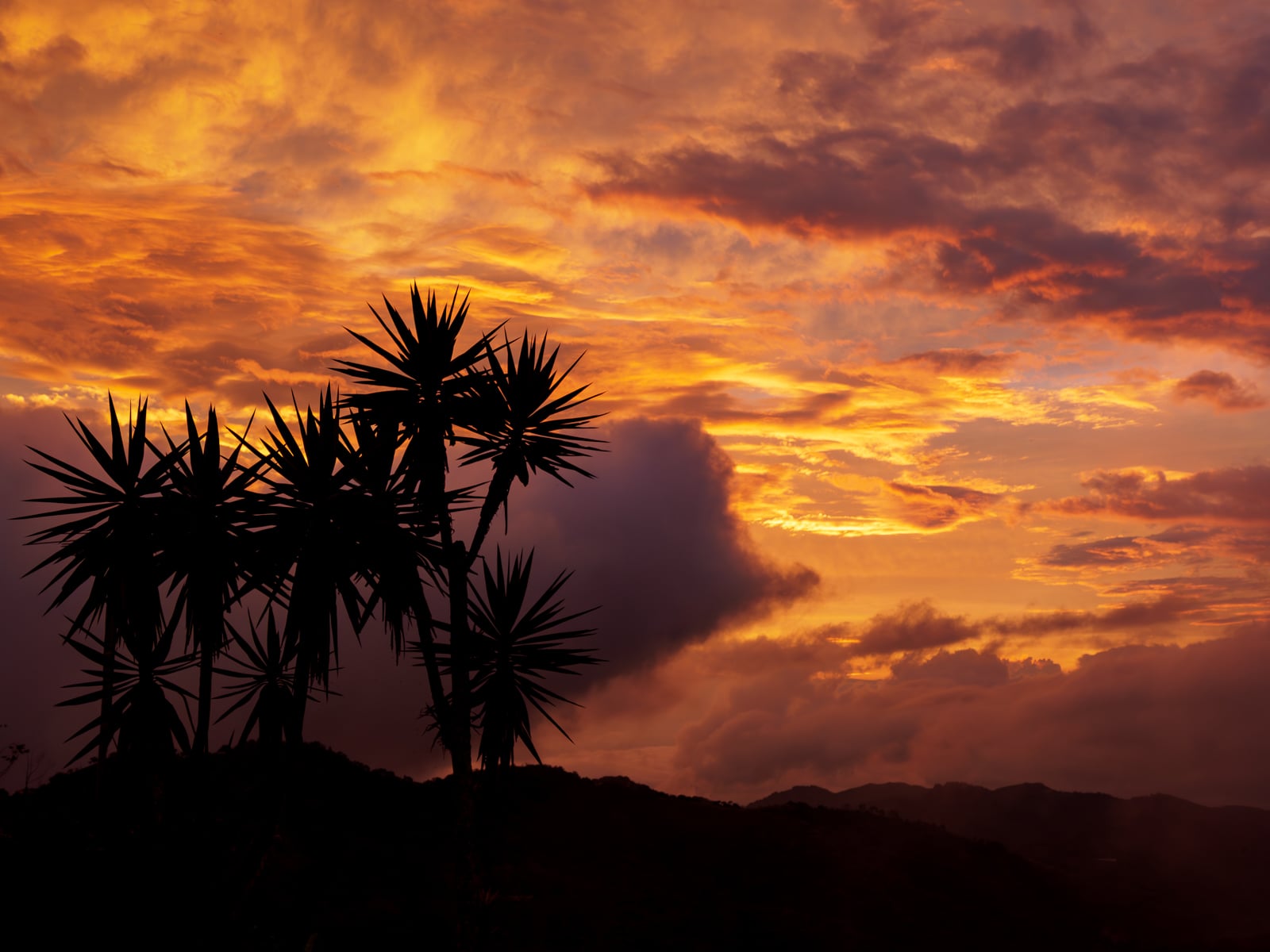 OM-1 Mark II • M.Zuiko Digital ED 12-100mm F4.0 IS PRO OM • 23mm (46mm equivalent) • 1/100sec • f/5.0 • ISO 400
“My first Costa Rica trip was a press trip: short, fast, testing gear,” he says. “This was completely different. We spent five or six days living together, eating together, talking about family and home life. You don’t just learn about bird photography that way. You become friends with these people.”
 Left: Ben Knoot • OM-1 Mark II • M.Zuiko Digital ED 45mm F1.8 • 45mm (90mm equivalent) • 1/400sec • f/3.2 • ISO 640
Right: Ken Martinez • OM-1 Mark II • M.Zuiko Digital ED 45mm F1.8 • 45mm (90mm equivalent) • 1/30sec • f/3.2 • ISO 40
Ken Martinez, a bird photographer and guide from Monteverde, embodied that connection to his home.
“Ken has dedicated his life to showing people Costa Rica’s biodiversity,” Niccolls explains. “I could feel his passion and his concern about the way climate change is affecting the cloud forest and the wildlife that lives in it. He’s not just an advocate. He’s directly affected. The animals he loves, the environment he shares with visitors, he’s watching these things change. He feels it’s his job to share the beauty of the Costa Rican wildlife before it changes. That passion for caring for his home came through in everything he taught me.”
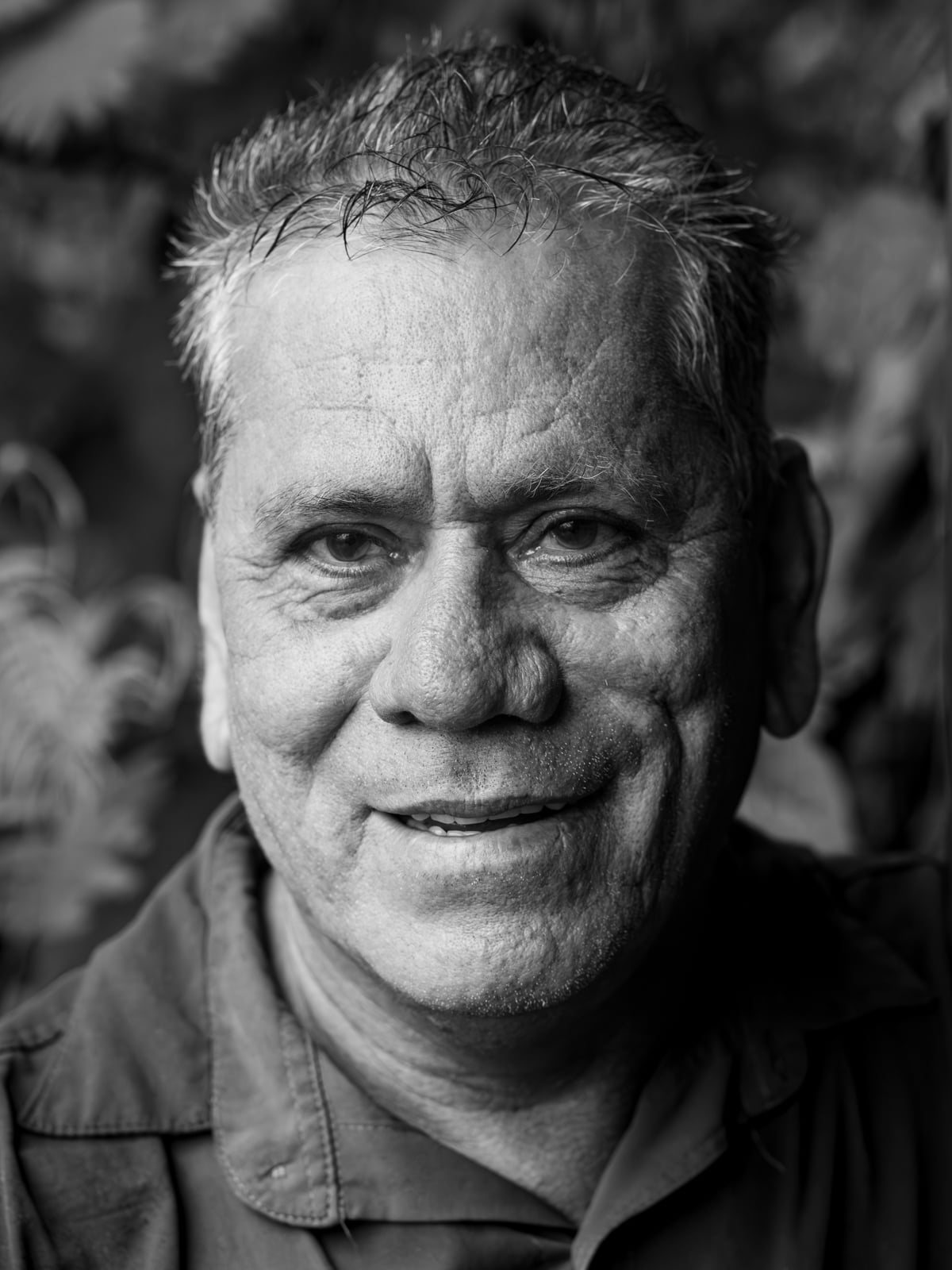 William Bogarin • OM-1 Mark II • M.Zuiko Digital ED 45mm F1.8 • 45mm (90mm equivalent) • 1/200sec • f/2.8 • ISO 800
At the Bogarin Trail near La Fortuna, Niccolls met William Bogarin and learned the story behind the refuge.
“When tourism started coming to La Fortuna in the 90s, everyone was building hotels and restaurants,” Niccolls recalls. “William’s family knew that someone had to create a space that protects why tourists are coming here in the first place. They turned open pastureland into a wildlife refuge, and now there are sloths having babies where there used to be cows. That kind of pride in place, that long-term thinking, it changes how you see everything around you and makes you want to tell the story of the location and its inhabitants through your photos.”
89 Out of Thousands
By the end of the trip, Niccolls had a new appreciation for what success means in bird photography.
“I think I came away with 89 shots I really liked out of thousands,” he says. “It took days to go through them all because I kept saying: yeah, it’s a nice shot, but it’s not what I wanted. I need shots I’m truly proud of, where the light was right and the bird was animated and doing something interesting. That’s a much higher bar than just sharp and in focus.”
 Left: Chestnut-Sided Warbler • OM-1 Mark II • M.Zuiko 150-400mm F4.5 TC 1.25x IS PRO • 500mm (Teleconverter Enabled) (1000mm equivalent) • 1/200sec • f/5.6 • ISO 8000
Right: Collared Aracari • OM-1 Mark II • M.Zuiko 150-400mm F4.5 TC 1.25x IS PRO • 241mm (482mm equivalent) • 1/2500sec • f/4.5 • ISO 25,600
Among those 89, a few stood out. The mangrove hummingbird, incredibly rare, represented everything coming together: patience, positioning, and the bird finally cooperating. But some of Niccolls’s favorites were more personal.
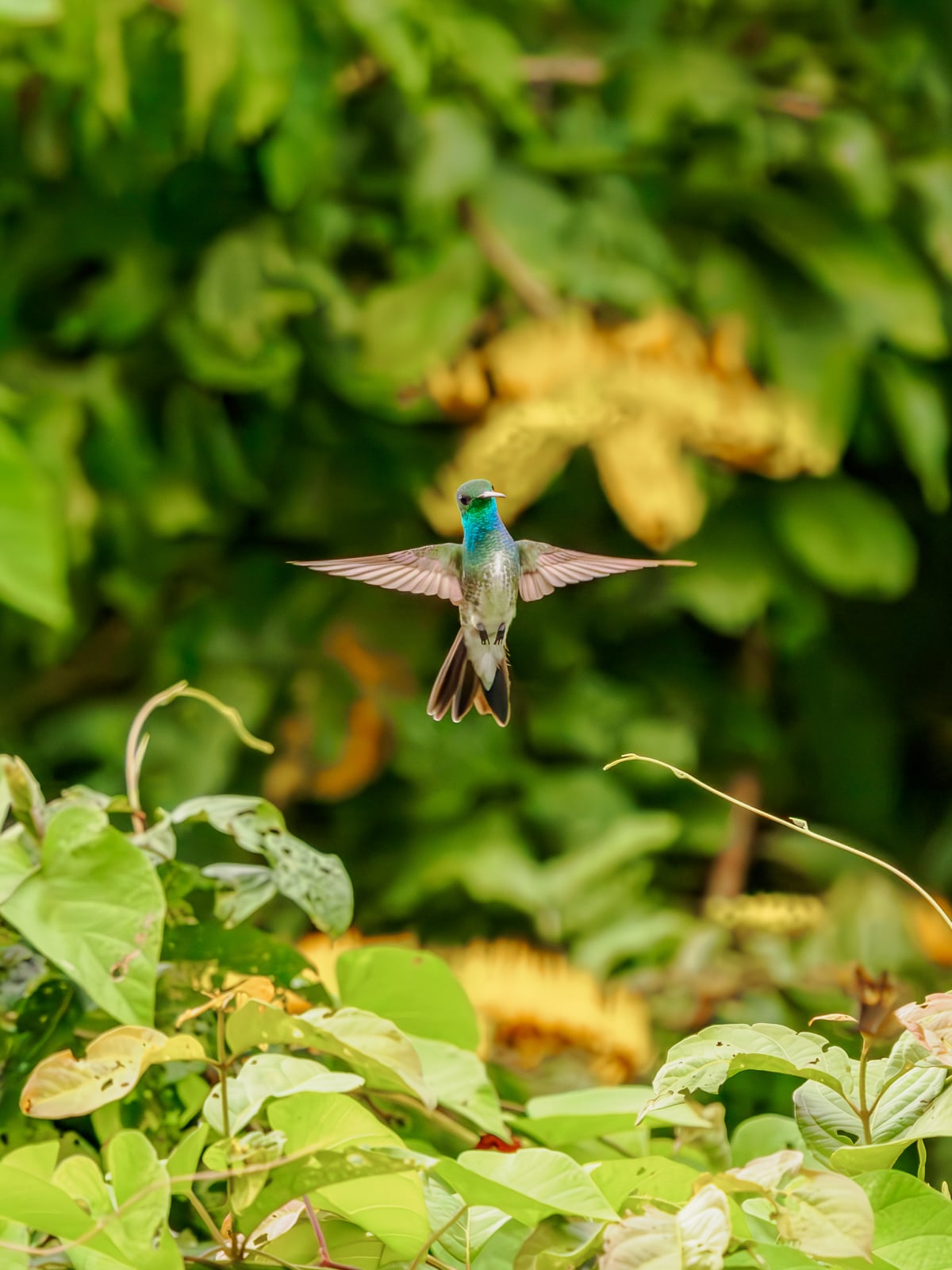 Mangrove Hummingbird • OM-1 Mark II • M.Zuiko 150-400mm F4.5 TC 1.25x IS PRO • 266mm (532mm equivalent) • 1/3200sec • f/5.6 • ISO 25,600
“The red-eyed tree frog shots meant a lot to me,” he reflects. “Growing up, I would see those photographs in National Geographic, the frog wrapped around a branch, peeking beside a leaf, that classic rainforest image. And here I was, actually doing it. That’s a pretty special feeling.”
 Red-Eyed Tree Frog
Left: OM-1 Mark II • M.Zuiko Digital ED 60mm F2.8 Macro OM • 60mm (120mm equivalent) • 1/200sec • f/9 • ISO 200
Right: OM-1 Mark II • M.Zuiko Digital ED 60mm F2.8 Macro OM • 60mm (120mm equivalent) • 1/200sec • f/9 • ISO 200
“I didn’t just leave with images for my wildlife portfolio,” Niccolls concludes. “I left with a deeper understanding of why bird photographers chase these moments in the first place.”
The Advice He’d Give
Niccolls says that his guides asked him a basic, but thought-provoking question before they boarded their flights home: “After spending a week in our shoes, what is the one piece of advice that you would give to someone who had even a slight interest in trying their hand at bird photography?”
 Scarlet Macaws
Left: OM-1 Mark II • M.Zuiko 150-400mm F4.5 TC 1.25x IS PRO • 500mm (Teleconverter Enabled) (1000mm equivalent) • 1/250sec • f/5.6 • ISO 500
Right: OM-1 Mark II • M.Zuiko 150-400mm F4.5 TC 1.25x IS PRO • 350mm (700mm equivalent) • 1/320sec • f/5.6 • ISO 3200
“Focus on the love of the environment and the animal before the act of photographing,” Niccolls answered. “Meet the community. Learn about the life cycles, the behavior, the habitat. When you really start to understand these things, you can’t help but want to go deeper. The photography becomes an extension of that appreciation, not the starting point.”
 OM-1 Mark II • M.Zuiko Digital ED 60mm F2.8 Macro OM • 60mm (120mm equivalent) • 1/250sec • f/9 • ISO 200
For Niccolls, Costa Rica reinforced something he already believed but needed to experience again firsthand.
“What I treasure most about my career is getting to do so many different kinds of photography,” he reflects. “I get to understand why people love doing what they do. Bird photographers aren’t chasing rare species for bragging rights. They’re chasing moments of connection with the natural world. Having chased those same moments for a week in one of the most beautiful places on earth, I now understand why that matters so much to them.”
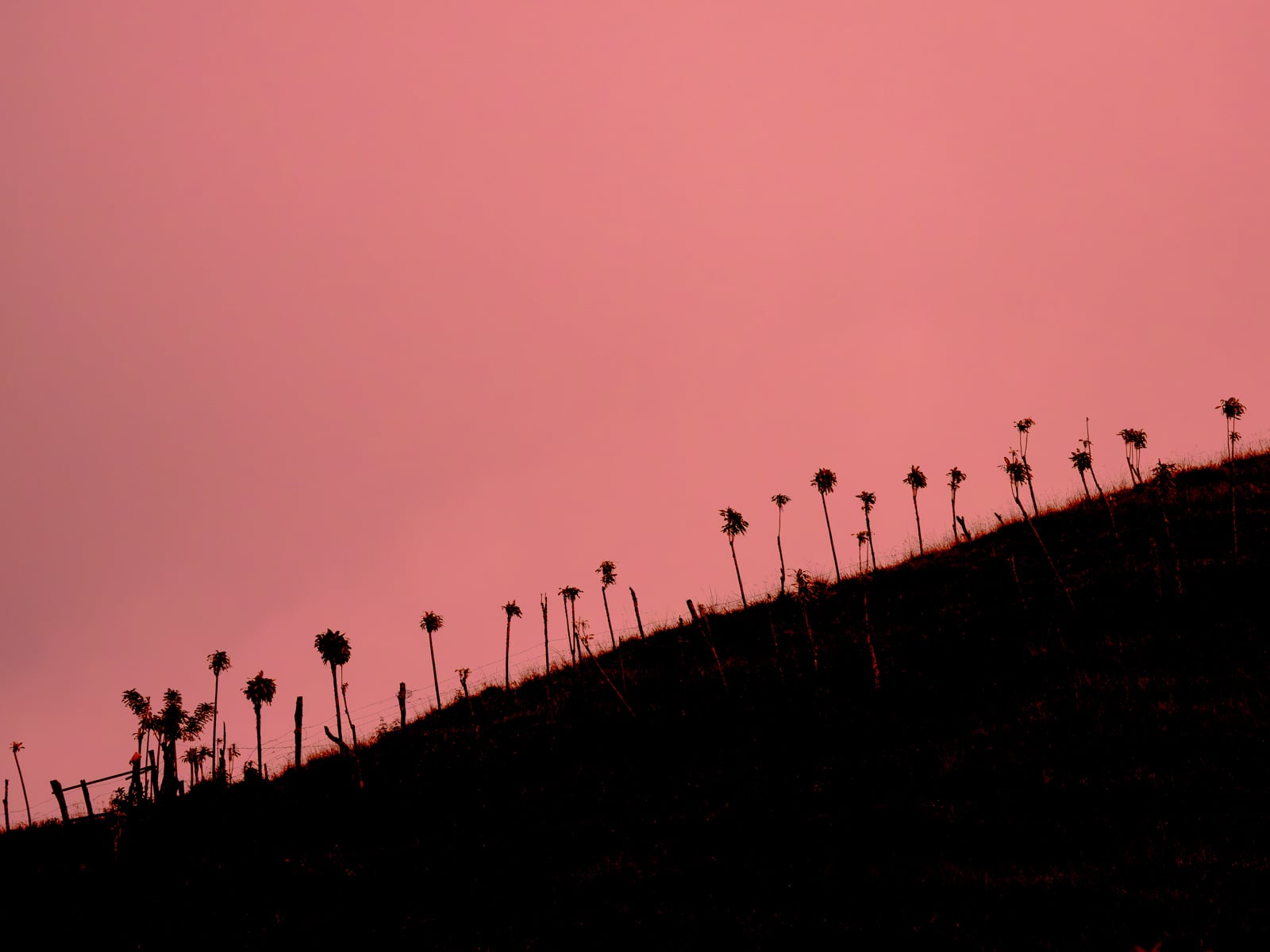 OM-1 Mark II • M.Zuiko Digital ED 12-100mm F4.0 IS PRO OM • 66mm (132mm equivalent) • 1/60sec • f/5.0 • ISO 1250
More from Ben Knoot can be found on his Instagram.
More from Kenneth Martinez can be found on his Instagram.
More from Chris Niccolls can be found on his Instagram.
More from Jordan Drake can be found on his Instagram.
Full disclosure: This article was brought to you by OM SYSTEM.
Feeling inspired? Enter the #TravelWithOMSYSTEM photo contest for a chance to win an OM-3 or OM-5 Camera Kit + WANDRD camera bag.
Image credits: Photos by Chris Niccolls
Image credits: Photos by Kenneth Martinez



 English (US) ·